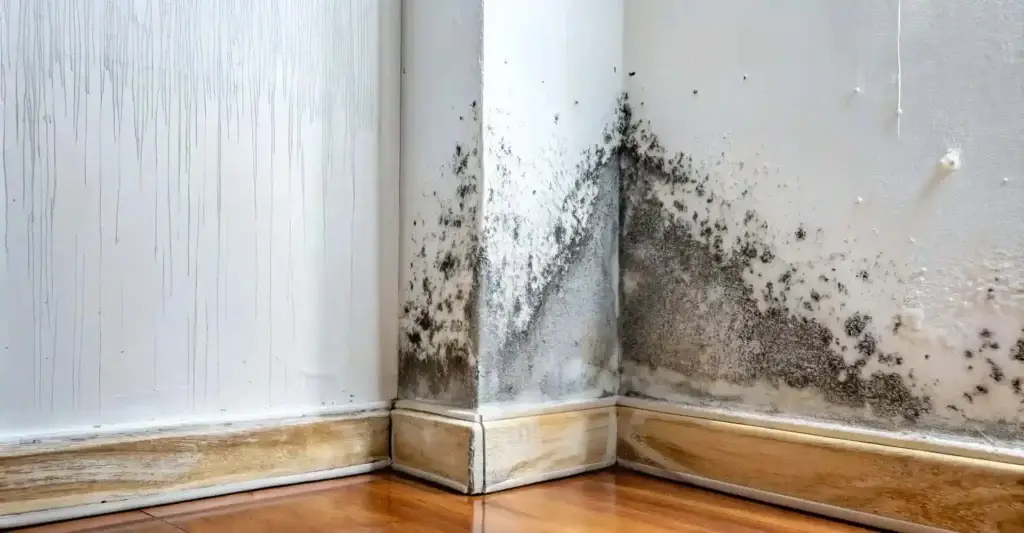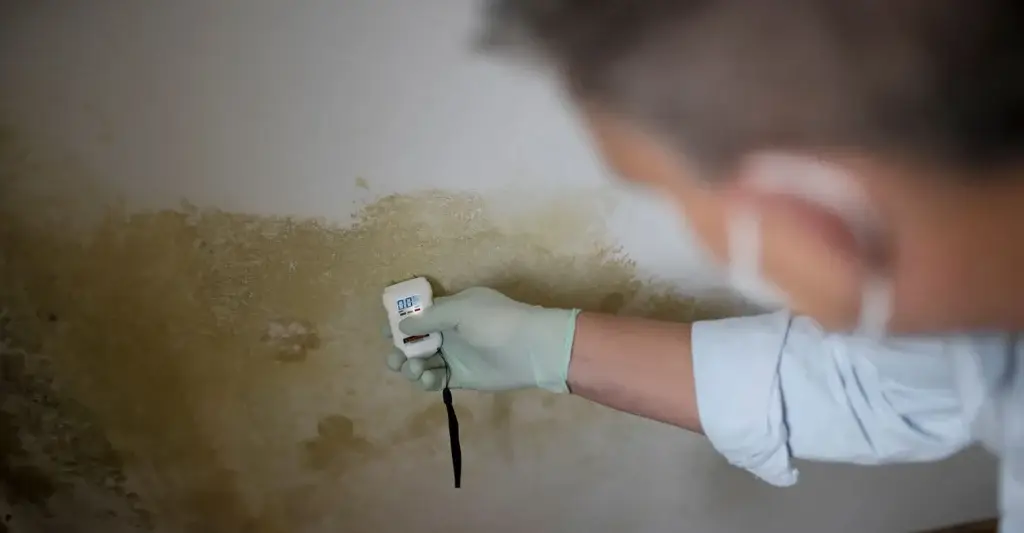
Ceiling mould is common in many UK homes and businesses, and it should never be ignored. The mould, which is quite often a specific type known as black mould, can affect both the condition of your property and the health of those inside it.
In this blog post, we’ll explain what causes black mould on ceilings, why it specifically seems to appear at ceiling level and how it can develop over time if left unchecked. We’ll also cover some of the practical steps you can take to prevent mould growth, as well as advice on when to seek professional remediation.
Skip to:
How does mould develop on the ceiling?
Preventing mould growth on ceilings
What is black mould?
Essentially, black mould is a type of fungus that really thrives in damp, humid locations. It commonly forms in areas where moisture can build up without being adequately vented. The most recognised form appears as dark patches on ceilings, walls and other surfaces that are regularly exposed to condensation or prolonged water damage.
The reason mould can be so stubborn is that once it has formed, it spreads quickly by releasing microscopic spores into the air, which settle and grow wherever they find a similarly warm, moist and poorly ventilated area. This is fundamentally why ceiling mould is such a common occurrence, as rising warm air and water vapour, which is common in kitchens and bathrooms, create condensation at the highest point of a room.
The formation of black mould often highlights the need to investigate and address deeper moisture problems. At Ideal Response, our mould cleaning and removal services go beyond superficial surface treatment, identifying root causes of mould and ensuring the issue is properly resolved to prevent it from returning.
What causes black mould?
Black mould is caused by a combination of lingering moisture and poor ventilation, which gives the airborne spores the ideal conditions to settle and grow. Common causes of black mould can include:
- Poor ventilation in bathrooms and kitchens
- Increased indoor humidity from cooking, washing or drying clothes
- Leaking roofs and pipework
- Condensation forming on cold ceilings
- Inadequate insulation that creates temperature differences
Understanding what causes black mould on ceilings is key to preventing it, as the issue is almost always linked to excess moisture. For more information, have a look at our blog on ‘What is Black Mould?’.
How does mould develop on the ceiling?
Ceilings are especially vulnerable to mould due to the way heat and moisture behave. Warm, moisture-laden air naturally rises and collects at the highest point, meeting cooler ceiling surfaces and condensing into water droplets. Over time, this cycle repeats and creates the perfect environment for mould spores, especially when there is also limited airflow or persistent humidity.
When looking at what causes mould on ceilings, it’s important to recognise that the visible growth is only part of the issue. The real problem is ongoing moisture exposure, which continues to feed mould growth beneath the surface.
Ultimately, by the time you spot black mould, it’s likely already too late for quick fixes, and deeper remediation techniques may be required. Prevention remains the best approach, so let’s take a look at some of the things you can do to stop the black mould from forming in the first place.
Preventing mould growth on ceilings
Improve airflow
Improving airflow in your home is the simplest way to reduce moisture build-up, particularly in moisture-prone rooms like the kitchen and bathroom. Opening windows and keeping inside doors slightly ajar helps fresh air circulate, preventing warm, damp air from settling against ceilings and reducing condensation, a key factor in mould formation.
Air-dry clothes outdoors
The Great British weather makes drying clothes outdoors difficult in colder months, but indoor drying releases a significant amount of moisture into your home, which can settle on ceilings. If you need to dry things inside, ensure rooms are well-ventilated with windows open to allow moisture to escape.
Clean carpets regularly
Keeping carpets clean is good for many reasons, including the removal of trapped moisture, dust and organic material. Regular cleaning helps limit the conditions in which mould thrives and improves overall air quality. Good drying is essential, as damp carpets can gradually release humidity into the air and contribute to condensation forming on cooler ceilings.
Reduce dust mite build-up
Just like mould, dust mites thrive in warm, humid environments and contribute to poor indoor air quality. Regularly cleaning bedding, upholstery and soft furnishings helps reduce allergens and removes materials that trap moisture. This supports a cleaner, drier environment, helping limit the conditions in which mould spores can settle and grow on your ceilings.
Boost home ventilation
Opening windows and keeping internal doors ajar is a good starting point, but more can be done. Using extractor fans in kitchens and bathrooms (which is a legal requirement in the UK for new-build homes) helps quickly remove moisture at the source. Consistent airflow prevents condensation from forming on ceilings, reducing the likelihood of mould developing.
Avoid portable heaters
Portable heaters actually create uneven temperature zones in your home, warming the air quickly in some areas while leaving the rest of your home cold. This can increase condensation as warm air rises and meets cooler ceiling surfaces. Consistent, well-managed heating alongside proper ventilation is a more effective way to reduce the risk of mould forming.
Cover food while cooking
Cooking releases large amounts of steam into the air, particularly when boiling or simmering. Using lids on pans helps reduce the amount of moisture released into the room at once, limiting sudden spikes in humidity. Combined with ventilation, this significantly helps reduce condensation on ceilings.
Check pipework for leaks
A more direct cause of mould is leaks in pipes that constantly release moisture into ceilings and other parts of your home. Checking visible pipes and addressing leaks early will help prevent long-term damp issues. If you suspect a leak but cannot find it, expert help could ensure that all your pipes are fully sealed.
The health risks of black mould on ceilings
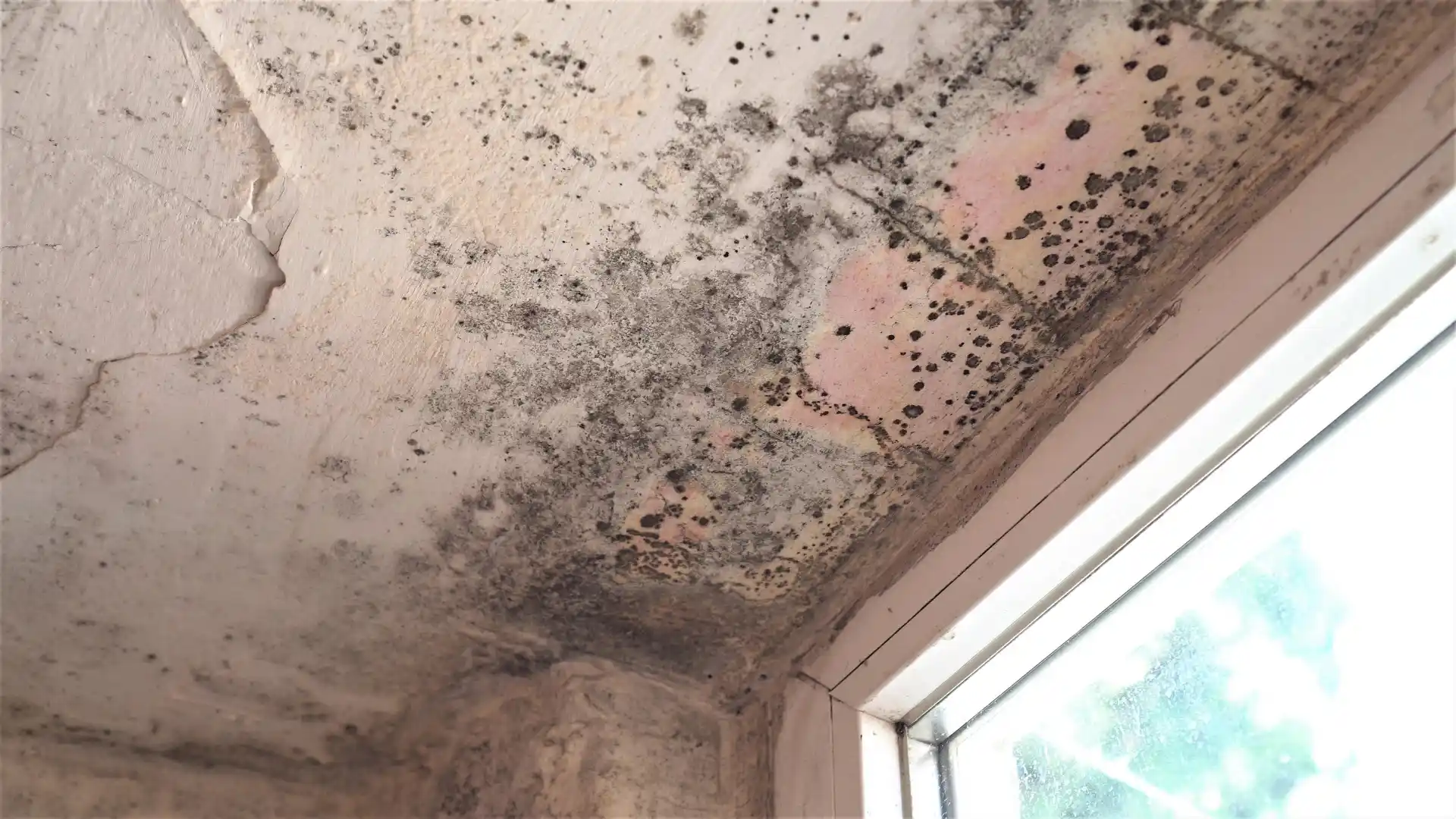
We haven’t touched on it too much in this blog post, but it’s worth remembering that black mould poses serious health risks, particularly in poorly ventilated areas where spores can build up and circulate freely. Understanding what causes black mould on ceilings helps highlight the risks, which can include respiratory issues, allergic reactions and irritation of the eyes, skin and throat, especially for vulnerable individuals. Attempting to remove black mould yourself can exacerbate things, which is why it’s generally recommended to bring in expert help if the problem has developed beyond a minor issue.
What to do if mould is growing in your home
So what are the next steps if you’ve noticed mould developing in your home? Firstly, it’s important to act quickly while avoiding trying to resolve anything beyond minor issues yourself. Understanding what causes mould on ceilings is only part of the solution. Professional intervention ensures the root cause is identified and properly treated.
At Ideal Response, our experienced teams provide comprehensive support, from mould removal to damp surveys, flood damage restoration, sewage cleaning and specialist drying. We work quickly, safely and in line with UK standards to restore your property with minimal disruption. For expert advice or urgent support, get in touch with us today and speak to a member of our team.
Frequently asked questions about black mould on ceilings
Why does mould grow on ceilings instead of walls?
Mould often appears on ceilings because warm, moisture-laden air rises and condenses on cooler surfaces above. This creates the ideal damp environment for mould spores to settle and grow, especially in poorly ventilated rooms.
Is black mould on ceilings dangerous to health?
Yes, black mould can pose health risks. Prolonged exposure may lead to respiratory issues, allergic reactions, and irritation of the eyes, skin, and throat, particularly for children, the elderly, and those with existing conditions.
Can mould on ceilings spread to other areas of the home?
Absolutely. Mould releases microscopic spores into the air, which can travel and settle on other damp surfaces, leading to further growth throughout the property if not addressed.
How do I stop condensation forming on my ceiling?
Improving ventilation is key. Use extractor fans, open windows regularly, maintain consistent heating, and reduce indoor moisture from activities like cooking and drying clothes indoors.
What are the early signs of mould on ceilings?
Early signs include small dark spots, discolouration, musty odours, and damp patches. Spotting these early can help prevent more severe infestations.
Does poor insulation cause ceiling mould?
Yes, inadequate insulation can create cold spots on ceilings. When warm air meets these cooler surfaces, condensation forms, increasing the risk of mould growth.
Can I remove ceiling mould myself?
Minor mould can sometimes be cleaned with appropriate products, but larger or recurring issues should be handled by professionals to ensure the underlying moisture problem is resolved safely.
How quickly can mould grow on a ceiling?
Mould can begin developing within 24–48 hours in the right conditions, particularly where there is consistent moisture and limited airflow.
Why does mould keep coming back after cleaning?
If mould returns, it usually means the root cause, such as excess moisture, leaks, or poor ventilation, has not been properly addressed. Surface cleaning alone is not enough.
When should I call a professional for ceiling mould?
You should seek professional help if the mould covers a large area, keeps returning, or is linked to leaks or structural damp issues. Experts can identify and treat the underlying cause effectively.

Chris Hedges - Head of Marketing
Chris Hedges is Head of Marketing at Ideal Response and the author of every article published on this site. With over 25 years of senior marketing experience across property, legal, and professional services sectors, Chris brings a clear, evidence-led approach to writing about fire damage, flood restoration, and specialist property remediation. His philosophy is simple: cut through the noise, respect the reader's time, and give people the information they actually need.