Most people don’t think about restoration until something serious happens
In the UK, property damage incidents are far more common than many people realise.
According to the Association of British Insurers, escape of water claims alone cost insurers well over £1.8 million every day across the UK. Meanwhile, figures from the UK Fire and Rescue Service continue to show that accidental domestic fires remain one of the leading causes of severe property damage nationwide.
Then there are the incidents most property owners never expect to face at all:
- Sewage contamination
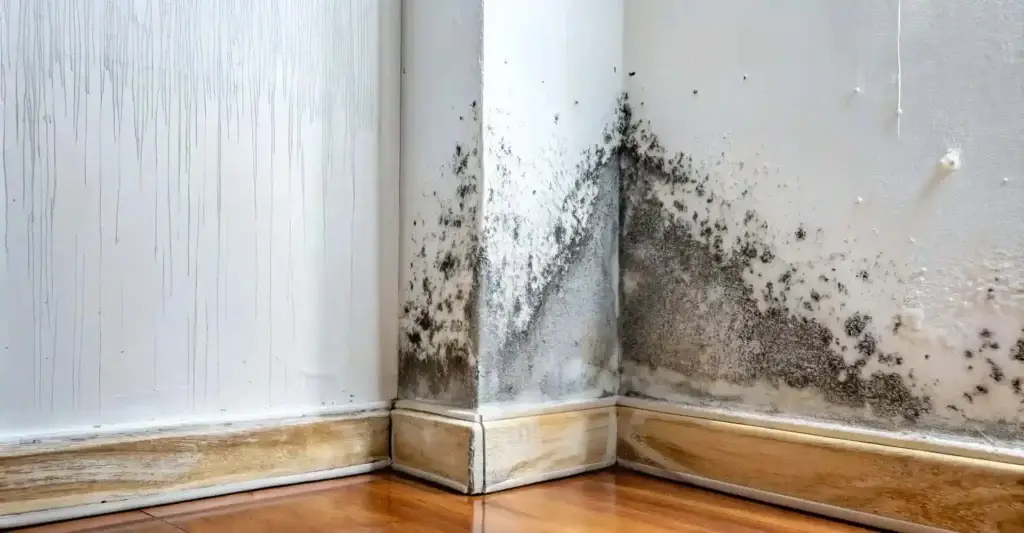
- Severe mould growth
- Trauma scenes
- Unattended deaths
- Chemical spills
- biohazard contamination
When these situations happen, the issue is rarely just about cleaning visible mess or damage. The environment itself has often been affected.
- Moisture may have spread into structural materials.
- Smoke particles may have travelled throughout the building.
- Contamination may be present in areas that are not immediately visible.
That is the point where restoration work begins.
Skip to:
A damage restoration company is not the same as a cleaning company
What situations require a damage restoration company?
What actually happens during the restoration process?
What people commonly get wrong about property restoration
Can a cleaning company handle fire or flood damage?
Do restoration companies carry out reinstatement works?
How to choose the right damage restoration company in the UK
UK property damage statistics at a glance
Final thought: Restoration begins where ordinary cleaning stops
A damage restoration company is not the same as a cleaning company
A damage restoration company deals with environments that have been physically affected, contaminated or made unsafe following an incident. Standard cleaning companies focus primarily on hygiene, presentation and routine maintenance. The difference between the two is substantial.
A standard cleaning company typically handles:
- Routine cleaning
- Surface hygiene
- Commercial or domestic maintenance
- Cosmetic presentation
A restoration company deals with:
- Structural moisture
- Smoke contamination
- Hazardous materials
- Biological contamination
- Environmental stabilisation
- Odour penetration
- Damage that continues developing if left untreated
Restoration is technical environmental recovery work, not enhanced cleaning.
Key takeaway:
A restoration company does not simply clean a property after damage. It identifies, controls and resolves the conditions causing ongoing contamination, deterioration or safety risks within the building.
What situations require a damage restoration company?
Restoration companies are typically called when a property has experienced damage or contamination that goes beyond normal cleaning or maintenance.
What does a restoration company do after fire damage?
A restoration company assesses, stabilises and removes smoke and soot contamination following a fire. This typically includes environmental cleaning, odour treatment, structural drying and preparation for reinstatement works.
Fire damage rarely affects only the area touched by flames.
Smoke behaves as an airborne contaminant and can spread rapidly throughout the property, settling into:
- Ceilings and walls
- Insulation
- Ventilation systems
- Soft furnishings
- Electrical components
- Hidden cavities and voids
Soot residues can also be acidic and hygroscopic, meaning they continue attracting moisture and contributing to corrosion or deterioration over time.
In many cases, smoke damage continues developing after the fire itself has been extinguished.
What does a restoration company do after flood or water damage?
Following flooding or escape of water incidents, restoration companies carry out water extraction, structural drying, moisture monitoring and contamination control to prevent ongoing damage within the property.
Water damage is one of the most underestimated forms of property damage in the UK. Water rarely stays where it first appears.
It migrates through:
- Flooring systems
- Wall cavities
- Insulation
- Timber structures
- Subfloors
- Porous building materials
Even when surfaces appear dry, moisture can remain trapped deep within the structure.
This is why professional restoration companies use moisture mapping, psychrometric monitoring and controlled drying systems rather than simply relying on ventilation or heating.
What happens during sewage or contamination restoration?
Sewage restoration involves the safe removal of contaminated materials, decontamination of affected areas and control of health risks associated with hazardous water exposure.
In restoration, sewage contamination is commonly classified as Category 3 water contamination because it may contain:
- Bacteria
- Viruses
- Parasites
- Harmful organic matter
This type of contamination requires:
- Specialist PPE
- Containment procedures
- Controlled removal
- Antimicrobial treatment
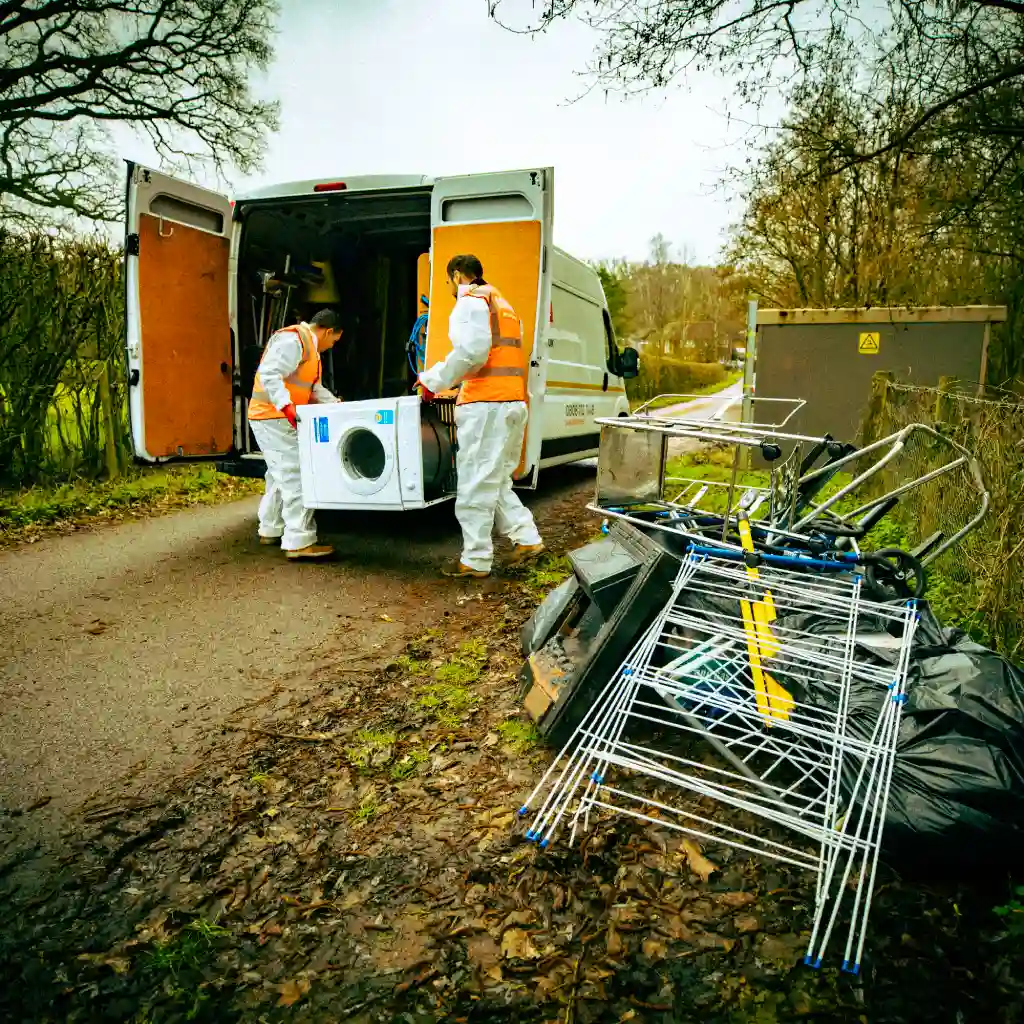
- Compliant hazardous waste disposal
Standard cleaning methods are not designed to safely manage these environments.
What does a restoration company do for mould problems?
Professional mould cleaning and removal involves identifying and controlling the moisture source causing mould growth, alongside safe removal and environmental cleaning.
According to the UK Health Security Agency, prolonged exposure to damp and mould can negatively affect indoor air quality and respiratory health, particularly for vulnerable individuals.
Many mould problems return because only the visible growth has been cleaned away.
Unless the moisture conditions are resolved properly, mould often re-establishes itself. Mould removal and cleaning is also extremely topical with the update to Awaab’s Law in October 2026.
What is biohazard and trauma cleaning?
Biohazard cleaning involves specialist cleaning and decontamination following incidents involving biological contamination, trauma scenes or unattended deaths. These environments may involve:
- Bloodborne pathogens
- Bodily fluids
- Decomposition contamination
- Airborne biological hazards
The work requires specialist procedures designed to safely restore the environment while managing both contamination risks and the sensitive nature of the situation.
What actually happens during the restoration process?
Although every incident is different, professional restoration work usually follows several core stages.
Assessment and damage investigation
A restoration company first investigates the extent of damage or contamination within the property.
This may involve:
- Moisture measurement
- Contamination assessment
- Thermal imaging
- Environmental monitoring
- Inspection of hidden areas
Restoration decisions should be based on evidence and environmental conditions, not visual assumptions alone.
Stabilising the property
Before recovery work can progress fully, the environment often needs to be stabilised to prevent further deterioration.
This may include:
- Extracting standing water
- Controlling humidity
- Isolating contaminated areas
- Installing drying systems
- Ensuring safe access into the property
In many situations, preventing additional damage is the immediate priority.
Removing unsafe or unsalvageable materials
Some materials cannot safely remain within the property after contamination or severe damage. Depending on the incident, this may include:
- Saturated plasterboard
- Sewage-affected flooring
- Smoke-damaged materials
- Contaminated contents
- Compromised insulation
Controlled removal is often necessary before restoration can move forward safely.
Cleaning, decontamination and environmental recovery
Professional restoration cleaning focuses on removing contamination that may not always be visible. This can involve:
- Soot removal
- Antimicrobial cleaning
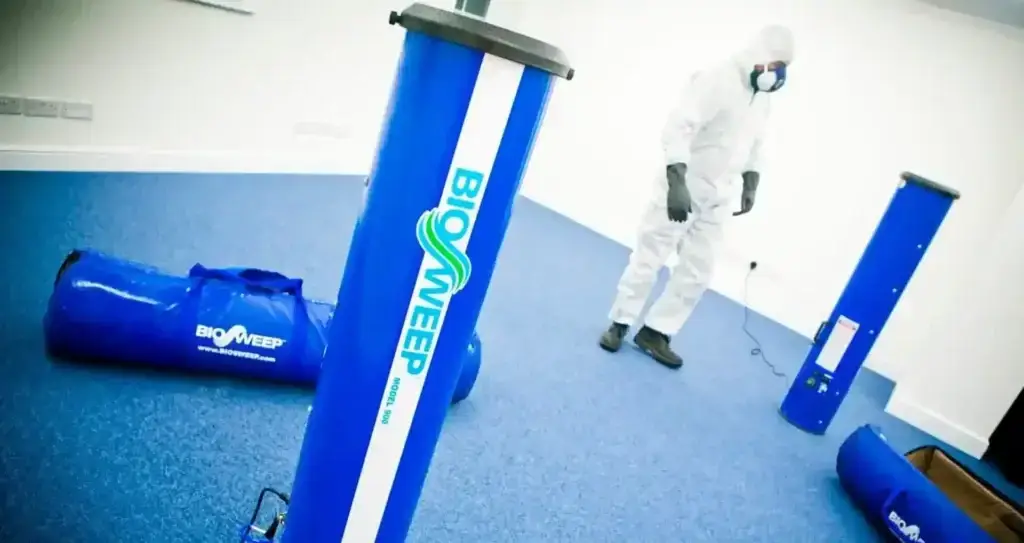
- HEPA-filtered air cleaning
- Odour neutralisation
- Contamination control procedures
The objective is not cosmetic appearance alone, but recovery of the environment itself.
Structural drying and verification
Structural drying removes excess moisture from building materials following water or fire damage using controlled airflow, dehumidification and moisture monitoring. This stage is critical because materials often retain moisture internally long after surfaces appear dry.
Professional drying typically involves:
- Psychrometric monitoring
- Moisture tracking
- Environmental control
- Verification testing
Surface dryness alone does not mean the structure has properly dried.
Key takeaway
One of the biggest differences between restoration and standard cleaning is verification. Restoration companies monitor moisture and environmental conditions to confirm the property is genuinely recovering, not just visually improved.
What people commonly get wrong about property restoration
Many restoration problems begin with assumptions. If a room looks clean, smells fresher or appears dry, it is natural to think the issue has been resolved. But restoration work is rarely judged accurately by appearance alone.
For example:
- Smoke odours often return because particles remain embedded within materials
- Mould comes back because moisture conditions were never corrected
- Water damage worsens because hidden moisture remained trapped within the structure
- Contamination spreads because affected areas were not properly contained
Restoration failures are often invisible initially. The consequences usually appear later.
Can a cleaning company handle fire or flood damage?
Usually not.
Serious fire, flood or contamination incidents often require:
- Structural drying
- Moisture verification
- Contamination control
- Environmental monitoring
- Specialist PPE
- Hazardous waste handling
These are specialist restoration processes rather than standard cleaning tasks. A property can appear visually clean while still containing moisture, contamination or odour-causing residues beneath surfaces.
Do restoration companies carry out reinstatement works?
Usually, no.
A restoration company typically focuses on:
- Stabilising the property
- Removing contamination
- Drying the structure
- Preparing the environment for repair work
Reinstatement works (rebuilding, decorating or replacing kitchens and bathrooms) are often completed afterwards by separate contractors.
Restoration is what allows reinstatement to begin safely.
How to choose the right damage restoration company in the UK
Not all restoration companies operate to the same technical standard and because many problems are not immediately visible, poor-quality work may not become obvious until months later.
Look for technical understanding
A professional restoration company should be able to explain:
- How moisture behaves within buildings
- How contamination spreads
- Why specific processes are necessary
- How conditions will be verified afterwards
Restoration requires environmental and technical expertise, not simply cleaning experience.
Ask how they verify the property has been restored properly
This is one of the biggest indicators of professionalism. A reputable restoration company should be able to explain:
- How moisture levels are monitored
- How drying progress is measured
- How contamination risks are assessed
- How successful restoration is verified
Proper restoration should be evidence-led, not assumption-led.
Be wary of ‘quick fix’ solutions
Be cautious of companies offering:
- Immediate cosmetic fixes
- Vague guarantees
- One-size-fits-all approaches without investigation
Properties affected by water, smoke or contamination behave differently depending on:
- The materials involved
- The duration of exposure
- Environmental conditions
- How quickly intervention began
Proper restoration is rarely simplistic.
Look for experience with complex incidents
Restoration work often involves:
- Insurers
- Property managers
- Environmental health considerations
- Health and safety compliance
- Emotionally sensitive situations
Experience matters because these environments are rarely straightforward.
UK property damage statistics at a glance
UK Property Damage Issue | UK Impact | Escape of water claims | Over £1.8 million paid daily by UK insurers |
|---|---|
Domestic fires | Tens of thousands attended annually across the UK |
Damp and mould issues | Millions of homes affected across England |
Typical structural drying periods | Often several days to multiple weeks |
Most common domestic fire origin | Cooking appliances and kitchen-related incidents |
Final thought: Restoration begins where ordinary cleaning stops
Most people never think about restoration until a serious incident forces them to.
But once a property has been affected by water, smoke, mould or contamination, the difference between cleaning and restoration becomes extremely clear.
Cleaning focuses on visible hygiene and presentation.
Restoration focuses on the condition of the environment itself, including moisture hidden within materials, contamination embedded in surfaces and conditions that can continue damaging the property long after the original incident.
That requires technical understanding, controlled processes and proper environmental recovery.
Because after serious property damage, what you can see is often only a small part of the problem.
Ideal Response supports properties across the UK with specialist restoration services following fire, flood, mould, biohazard and contamination incidents, helping stabilise environments safely and prepare them for reinstatement works to begin.
If your property has been affected by damage or contamination, contact the team for expert support.
Frequently asked questions about damage restoration companies
What is a damage restoration company?
A damage restoration company is a specialist business that restores properties affected by incidents such as floods, fires, mould, sewage contamination and biohazards using drying, decontamination and environmental recovery processes.
What is the difference between restoration and cleaning?
Cleaning focuses on hygiene and appearance. Restoration focuses on recovering environments affected by contamination, moisture, smoke or hazardous conditions that require specialist treatment and monitoring.
Can a cleaning company handle flood damage?
Usually not. Flood damage often requires structural drying, moisture mapping and contamination control processes that standard cleaning companies are not equipped to carry out safely.
What happens during structural drying?
Structural drying removes trapped moisture from building materials using professional drying equipment, dehumidification and moisture monitoring systems designed to prevent secondary damage and mould growth.
Why does smoke damage continue after a fire?
Smoke residues can remain within surfaces, ventilation systems and materials long after the fire ends. Some soot residues are acidic and continue contributing to corrosion, staining and odours over time.
Is mould removal the same as mould remediation?
No. Mould removal addresses visible growth, while mould remediation also identifies and resolves the moisture conditions allowing mould to develop.
Do restoration companies rebuild properties?
Usually, restoration companies focus on stabilising, drying and decontaminating the property rather than reconstruction. Reinstatement works are often completed afterwards by separate contractors.
How do I know if a restoration company is reputable?
A reputable restoration company should be able to explain:
- How damage is assessed
- How moisture or contamination is monitored
- What recovery processes are being used
- How successful restoration is verified
Clear technical explanations are usually a strong indicator of genuine expertise.

Chris Hedges - Head of Marketing
Chris Hedges is Head of Marketing at Ideal Response and the author of every article published on this site. With over 25 years of senior marketing experience across property, legal, and professional services sectors, Chris brings a clear, evidence-led approach to writing about fire damage, flood restoration, and specialist property remediation. His philosophy is simple: cut through the noise, respect the reader's time, and give people the information they actually need.