A burst pipe in winter is one of the most stressful problems a UK homeowner can face. One moment everything looks normal, the next, water is pouring through a ceiling, pooling across floors or running behind walls where you can’t even see it. The situation feels chaotic, fast-moving and overwhelming, especially when you’re not sure what to do first.
This guide has been written to give you clarity in those first difficult moments. It explains what to do immediately, what kind of damage can follow, and how to protect your home from long-term issues like mould and structural saturation. It also includes practical, UK-specific prevention tips to help reduce the risk next winter.
Throughout, we’ll point out where a professional water damage restoration company such as Ideal Response can offer support, not to sell, but to reassure you that you don’t need to face this alone.
Skip to:
Why burst pipes are so common in UK winters
The first 10 minutes – what you should do immediately
Frozen or burst? How to tell the difference
How water damage progresses and why speed matters
Why ‘letting it air out’ doesn’t work
How long does drying a burst pipe incident usually take?
What does restoration usually cost?
Winter prevention tips – Protecting your home for next year
When to call a professional (and what Ideal Response can do to help)
Why are burst pipes so common during UK winters?
UK homes are particularly vulnerable to burst pipes, mainly because of:
- Older plumbing systems
- Loft spaces and external walls that drop below freezing
- Cold snaps followed by sudden thaws
- Water tanks placed in uninsulated areas (especially in pre-1990 homes)
The UK’s freeze-thaw cycles, where temperatures dip below zero at night and rise above it the next day, are one of the most common triggers. When water freezes inside a pipe, it expands by around 9%, building pressure until the pipe ruptures. When the ice thaws and water flow resumes, the leak begins.
According to UK insurance statistics, water-related home claims increase significantly during winter months, with escape of water incidents accounting for nearly 30% of all home insurance claims in recent years. That makes it one of the most common and costly winter emergencies nationwide.
What should you do in the first 10 minutes?
A burst pipe feels urgent because it is urgent, but the good news is that there are a few simple steps that dramatically reduce damage. Here’s what to do, calmly and in order.
1. Turn off the main stopcock
This is the quickest way to prevent more water entering the system. Most stopcocks are under the kitchen sink, in a downstairs cupboard, or near the front water meter.
2. Switch off electrical circuits if water is near sockets or the ceiling below
If water has touched, dripped near or run over electrics, turn the power off at the fuse board. Do not touch wet switches. If in any doubt, leave the power off and wait for a qualified electrician.
3. Capture photos and videos immediately
This step often gives homeowners peace of mind later. Take:
- Close-ups of the pipe or tank
- Wide shots showing the water spread
- A short video walkthrough describing what you noticed and when
These images help insurers and restoration specialists understand the situation clearly.
4. Move valuables and soft furnishings away from affected areas
Where safe, lift items onto higher surfaces. Do not dispose of damaged items until an insurer has advised you.
5. Call for emergency help
You may need:
- A plumber to stop the leak at the source
- A restoration company like Ideal Response to extract water, assess moisture levels and stabilise the property
It’s important to know that in the UK, insurers expect homeowners to take “reasonable steps” to limit damage. Getting professional help early isn’t just practical, it also protects your position should you later make a claim.
Frozen or burst? How to tell the difference
Sometimes a pipe hasn’t fully burst yet. Instead, it’s frozen, which can be equally risky, because the expansion may cause it to crack once it thaws.
Signs of a frozen pipe
- No water or very weak flow
- Frost on the outside of the pipe
- Strange metallic or whistling noises
- The heating system cutting out unexpectedly
Signs the pipe has already burst
- Water dripping from ceilings or inside cupboards
- Pooling on floors, especially near skirting boards
- Damp patches that appear suddenly
- Sound of running water when taps are off
If you suspect the pipe is frozen but not burst, never use direct flame or extreme heat. Gradual warming is safe; rapid heating is not.
How does water damage progress and why speed matters?
When a pipe bursts, water travels fast. It can flow:
- Through ceiling voids
- Behind plasterboard
- Under screed or laminate flooring
- Into insulation
- Along structural timbers
These areas trap moisture, and over the next 24 – 72 hours, hidden damage begins developing.
Is there a risk of mould?
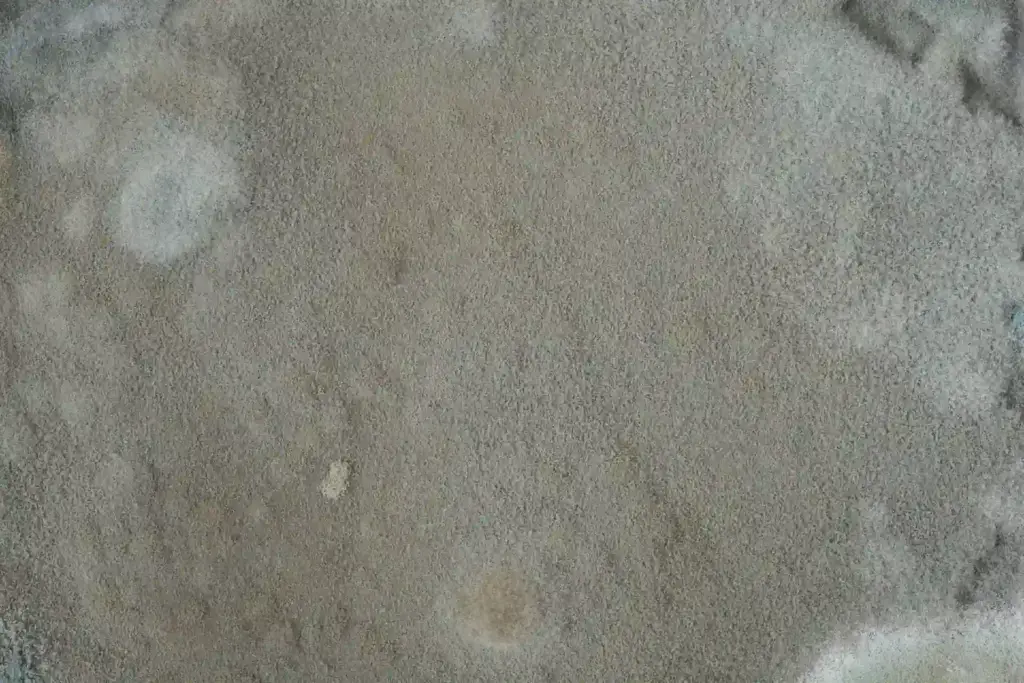
UK guidance and environmental studies consistently show that mould spores start germinating quickly when materials remain damp. Once mould takes hold in hidden spaces, removing it becomes more complex and more costly when considering a mould removal service.
Do I need a professional damp survey?
In the event of a water related disaster, a professional damp survey is always recommended. The visual signs of water damage and damp don’t paint the full picture. Water moves unpredictably and can saturate inner walls and parts of your property that aren’t clearly visible. A damp survey carried out by an expert will help you accurately determine the extent of the moisture issues and provide a clear base to work from when planning remedial works. Although a professional damp survey is an additional cost, it will save you time, money and stress in the long run by ensuring a damp and mould free property.
Why is structural drying essential?
Timber swells. Plasterboard bows. Adhesives soften. Even tiled floors can become loose if moisture spreads underneath. This is why professional drying is critical. It doesn’t just remove the water you can see, it addresses the water you can’t. For a property to be dried out successfully it requires a methodical and carefully curated approach that is designed with your unique circumstances in mind.
Ideal Response has been providing specialist drying to both commercial and domestic properties throughout the UK for over 20 years. We understand how important structural drying is in the prevention of secondary water damage and additional costs. Visit our Construction Drying for Major Development case study for a better understanding of the specialist drying process from start to completion.

Why doesn’t ‘letting it air out’ work?
A common instinct for homeowners is to open windows, turn up the heating and wait. While ventilation is helpful, it isn’t enough on its own.
The problem: moisture migrates
Water naturally moves to cooler areas and deeper materials. By the time surface-level damp appears to be drying, the worst of the moisture may already be inside walls, flooring, joists and insulation.
The solution: controlled, professional drying
A specialist restoration team (such as Ideal Response) uses:
- Industrial air movers
- Low-grain dehumidifiers
- Heat-assisted drying
- Moisture mapping technology
- Thermal imaging
- Daily monitoring
This ensures the entire structure, not just the room surface, returns to safe moisture levels.
Even a small burst pipe can require days or weeks of controlled drying depending on construction type. Without it, mould and secondary damage become far more likely.
How long does drying a burst pipe incident usually take?
Every property is different, but in the UK, typical drying times are:
- Minor, contained leak: 3 – 5 days
- Multi-room or ceiling collapse: 7 – 14 days
- Water trapped in insulation, subfloors or voids: 2 – 3 weeks
A professional team provides daily moisture readings and progress updates. This is often reassuring for homeowners who worry about hidden damp returning later.
What does restoration usually cost?
Costs vary depending on how quickly the leak is caught. In the UK, a typical burst-pipe restoration may fall within:
- £1,500 – £6,000 for extraction, drying and minor reinstatement
- Higher if multiple floors are affected or structural repairs are required
Although insurers commonly cover escape-of-water damage, fast action reduces long-term costs and speeds up reinstatement.
Winter prevention tips – Protecting your home for next year
Burst pipes aren’t always preventable, but many incidents can be avoided with simple winter preparation:
- Insulate vulnerable pipes: Lofts, garages, and external walls are the most common freezing points.
- Keep heating on low during cold spells: Even a low, consistent temperature can prevent freeze-thaw pressure build-up.
- Lag water tanks in lofts: Older UK homes often have exposed tanks that are highly vulnerable in winter.
- Isolate external taps: Outdoor taps freeze quickly – a shut-off valve prevents pressure from backing up into internal pipes.
- Install leak detection systems: These monitor water flow and automatically shut the supply off if an unusual pattern is detected.
Taking these steps reduces risk and gives homeowners peace of mind when temperatures drop.
When should you call a professional for help?
There are moments when DIY measures just aren’t enough. You should contact a water damage restoration specialist if:
- Water has travelled through ceilings or multiple rooms
- You cannot locate the full extent of the damage
- Flooring feels soft, buckled or swollen
- There is any sign of mould
- You need proper moisture readings for insurance or peace of mind
Ideal Response provides:
- Rapid water extraction
- Thermal and moisture surveys
- Controlled structural drying
- Sanitisation
- Full reinstatement support
- Insurance-formatted reporting
Our teams are trained to stabilise the property, prevent secondary damage and guide homeowners through the whole process with minimum stress.
A water damage success story
To learn more about the water damage restoration process after a burst pipe incident, visit our Severe Water Damage for Brand New School Floor case study.
Fast action makes all the difference
A burst pipe is a shock, but it doesn’t need to become a long-term disaster. Acting quickly, protecting the property, and getting professional help early are the three steps that make the biggest difference.
From emergency extraction to safe, controlled drying, Ideal Response is here to support homeowners through every stage of a winter burst-pipe incident, calmly, professionally and with full transparency.
Contact a water damage expert
Contact our team now to speak to an expert and take the first step to restoring your property. You can leave us a webform or call and get a quote in less than 10 minutes.
Have an emergency?
Call our team on 0800 088 4170 for immediate advice and same-day support.
FAQs
How quickly can a burst pipe cause structural damage?
Faster than most homeowners realise. Within 15 – 30 minutes, water can soak into carpets and begin saturating underlay. Within 2 – 4 hours, it may reach subfloors, plasterboard and timber. After 24 – 48 hours, materials begin swelling, weakening or developing mould. This is why emergency extraction and professional drying are so important – even a short delay significantly increases the scope of damage.
Should I turn off my heating if a pipe has burst?
Turn off the heating only if water has reached electrics or the boiler system. Otherwise, keeping the home warm can actually help slow moisture migration and support the drying process. If you are unsure, switch everything off at the mains and wait for a professional to assess it – Ideal Response can advise on safe next steps.
Does home insurance cover burst pipes in the UK?
Most UK policies cover escape of water from burst pipes, tanks and heating systems. What they generally don’t cover is:
- Leaks caused by long-term deterioration
- Poor maintenance or visible wear
- Frozen pipes when the home was left unheated
To strengthen your claim, take photos, record a short video and document the timeline. Restoration companies like Ideal Response can also provide insurance-formatted moisture reports.
How long does it take for mould to grow after a burst pipe?
Mould can begin developing within 24 – 48 hours in damp, enclosed areas. UK housing conditions, especially older homes with hollow walls, suspended floors and loft voids, allow moisture to migrate quickly. If the water reached hidden areas, mould risk increases significantly. Professional drying removes this risk by lowering moisture content across the entire structure, not just the visible surfaces.
Can I dry out a burst pipe incident myself?
You can help with surface-level drying (opening windows, removing standing water), but DIY methods cannot remove moisture trapped in voids, insulation and subfloors. This is where long-term issues like mould, musty odours, warped flooring and structural decay begin. Professional equipment and moisture monitoring are essential for a safe and complete dry-out.
Will all flooring need to be replaced after a burst pipe?
Not always. Some materials, like certain tiles, vinyl and treated timber, can often be dried and saved. Others, such as laminate, engineered wood and untreated softwood, may warp or delaminate beyond repair. A moisture survey determines whether drying is sufficient or whether reinstatement is necessary.
What happens if the pipe only froze and didn’t burst?
Frozen pipes are still a serious warning sign. When water freezes, it expands by around 9%, creating internal pressure. Even if the pipe hasn’t burst yet, it may have small cracks that only reveal themselves once thawed. If you spot a frozen pipe, warm it gently (never with open flame) and monitor it closely. If in doubt, ask a professional to inspect it.
Do I need a dehumidifier after a burst pipe?
A household dehumidifier can help with light condensation, but it cannot dry structural materials. Professional low-grain dehumidifiers, air movers and heat-dry systems are designed to extract deep-set moisture from walls, floors and voids. This is why insurers often require a specialist drying program after significant water damage.

Chris Hedges - Head of Marketing
With over 25 years' experience, Chris is adept at defining and driving strategy, while also enjoying hands-on operational delivery. He believes in an equal blend of creativity and analytical scrutiny, always finding inventive ways to achieve objectives, underpinned by evidence. Chris’s philosophies are simple: don't overcomplicate, always prioritise customer experience, and bend the rules just enough to cut through the noise and drive momentum and growth.