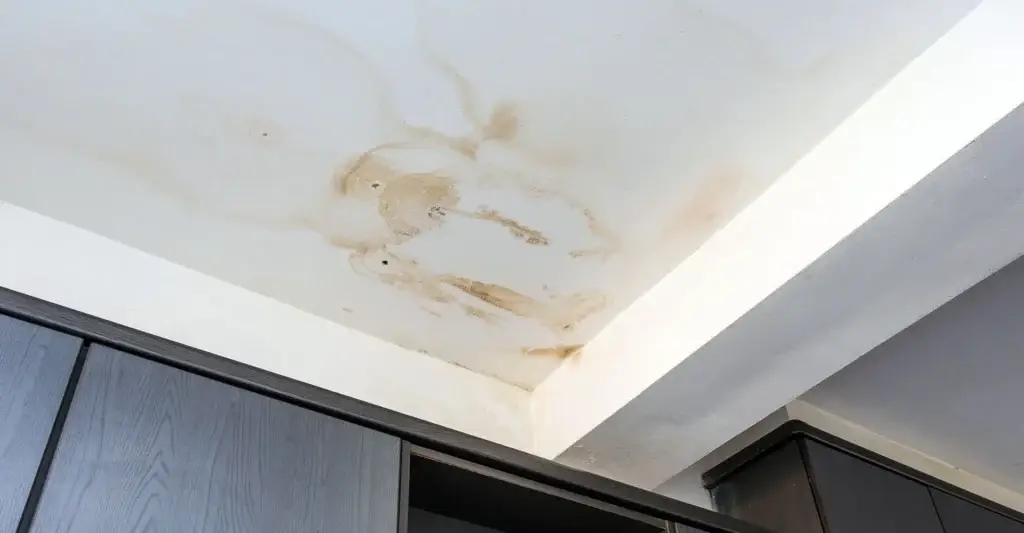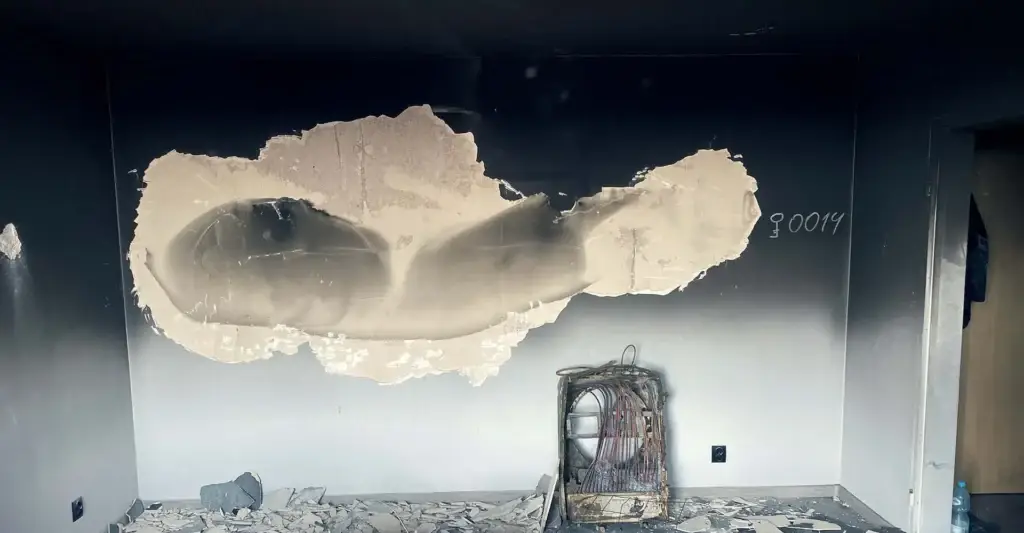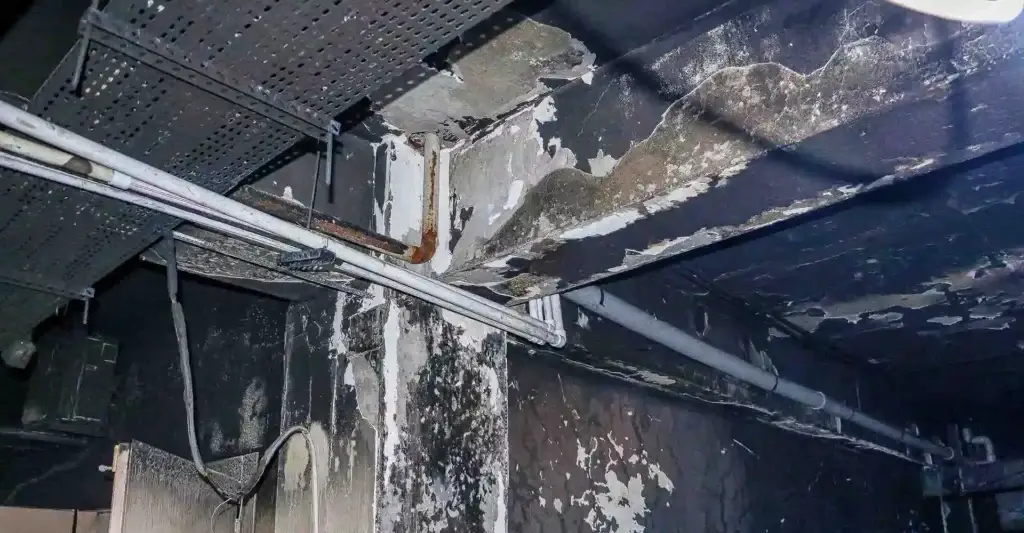
Once the fire is out and the immediate danger has passed, most property owners are left looking at the damage and wondering if can actually be repaired
In many cases, the scene is overwhelming:
- Soot covering walls, ceilings and contents
- A strong, persistent smoke odour
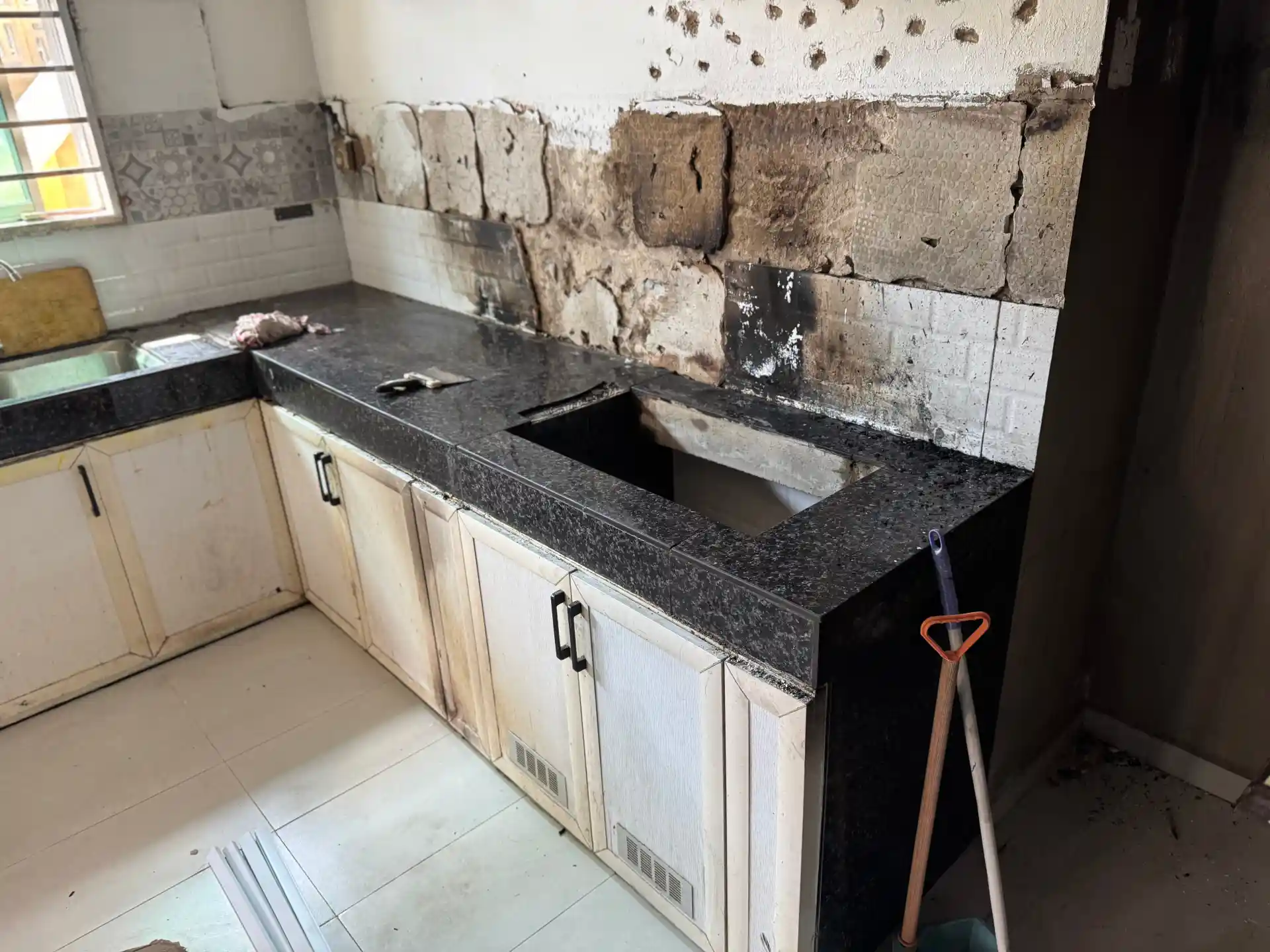
- Visible damage to kitchens, rooms or structural elements
- Water from firefighting efforts adding to the problem
At that point, it’s difficult to know what’s salvageable and what isn’t. The reality is more positive than most people expect.
In many situations, fire damage can be significantly restored, but only if it’s handled correctly, and in the right stages.
Skip to:
Fire damage isn’t just what you can see
So, can fire damage be fully repaired?
Restoration vs reinstatement: What’s the difference?
What restoration experts actually do (that most people don’t see)
What happens if this stage is rushed or missed
Why early specialist involvement makes a significant difference
Conclusion: Fire damage can be repaired but it has to be done in the right order
Fire damage isn’t just what you can see
One of the biggest misconceptions is that fire damage is limited to burnt areas. In practice, the visible damage is often only part of the issue. What we regularly see includes:
- Soot travelling far beyond the original fire location
- Smoke penetrating into materials, cavities and soft furnishings
- Acidic residues settling on surfaces and causing ongoing damage
- Water soaking into floors, walls and structural elements
This means even areas that look unaffected can still require restoration.
So, can fire damage be fully repaired?
The honest answer is, fire damage can often be restored to a pre-loss condition but it depends on how it’s handled.
In many cases:
- Surfaces can be cleaned and decontaminated
- Odours can be neutralised at source
- Contents can be restored rather than replaced
- Properties can be returned to a safe, usable condition
However, there are limits. Severely damaged structural elements may still require replacement and that’s where the next stage begins. This is where it’s important to understand the difference between restoration and reinstatement.
Restoration vs reinstatement: What’s the difference?
This is one of the most important distinctions for property owners.
Restoration focuses on:
- Removing soot, smoke and contamination
- Drying and stabilising the property
- Preventing further damage
- Returning the environment to a safe, clean condition
Reinstatement, on the other hand, involves:
- Rebuilding
- Replacing damaged structures
- Redecoration and finishing
At Ideal Response, the focus is entirely on fire damage cleaning and restoration – getting the property to the point where reinstatement works can begin safely and effectively.
What restoration experts actually do (that most people don’t see)
Fire restoration is not just ‘cleaning up’. It’s a controlled, technical process designed to deal with contamination at every level.
Stabilising the environment
The first step is ensuring the property is safe and preventing further deterioration. This may include:
- Addressing moisture from firefighting
- Securing affected areas
controlling - Environmental conditions
Removing soot and residue properly
Soot is not uniform, different fires produce different residues. If handled incorrectly:
- It can smear
- Spread further
- Become embedded in surfaces
Specialist techniques are used to for soot and ash cleaning without causing additional damage.
Dealing with smoke odour at source
One of the most persistent issues after a fire is smell. This isn’t just surface-level, smoke penetrates deeply into materials. Proper smoke odour removal focuses on:
- Neutralising odour at a molecular level
- Treating hidden contamination
- Ensuring smells do not return over time
Drying and moisture control
Water used to extinguish fires can create secondary damage. If not addressed quickly, it can lead to:
- Mould growth
- Structural issues
- Further material deterioration
Controlled and specialist drying is a critical part of the process.
Preparing the property for reinstatement
The end goal of restoration is clarity and readiness. This means:
- Contamination has been removed
- The environment is safe
- Surfaces are stable and ready for repair
Only at this point can reinstatement works begin effectively.
What happens if this stage is rushed or missed
This is where many projects run into problems.
If restoration isn’t completed properly before reinstatement:
- Odours can return after redecoration
- Staining can bleed through new finishes
- Hidden contamination can persist
- Additional costs and delays can occur later
In many cases, it results in work needing to be redone.
Why early specialist involvement makes a significant difference
The earlier restoration specialists are involved, the better the outcome tends to be.
This allows for:
- Faster containment of damage
- Reduced spread of soot and contamination
- More materials and contents to be salvaged
- A smoother transition into reinstatement
It’s often the difference between partial recovery and full restoration.
Case study
A flat in South Kensington, London, suffered a fire when a lamp fell onto a mattress, igniting the material. While the fire was contained to the bedroom, smoke and soot had spread into neighbouring flats and communal areas. Read the complete fire damage restoration case study.
Conclusion: Fire damage can be repaired but it has to be done in the right order
Fire damage can feel overwhelming but in many cases, it is far more recoverable than it first appears.
The key points are clear:
- Damage often extends beyond what is visible
- Effective restoration focuses on removing contamination, not just cleaning surfaces
- The process must happen before any rebuilding begins
- Rushing into reinstatement without proper restoration leads to long-term issues
The goal isn’t just to make a property look better, it’s to make it safe, stable and ready for the next stage.
Ideal Response specialises in fire damage restoration across the UK, helping properties recover from fire, smoke and water damage and preparing them for successful reinstatement.
Speak to the team today to understand the next steps.
Frequently asked questions about restoring fire damaged property
Can a house be fully restored after a fire?
In many cases, yes.
While severely damaged structural elements may need replacing, much of the property, including surfaces and contents, can often be restored with the right approach.
What’s the difference between fire restoration and rebuilding?
Restoration focuses on cleaning, decontamination and stabilisation.
Rebuilding (reinstatement) involves repairing or replacing damaged structures after restoration is complete.
Why does smoke damage spread beyond the fire area?
Smoke travels quickly through air, cavities and ventilation routes, settling on surfaces throughout the property.
Can smoke odours be permanently removed?
Yes, if treated properly at source.
Surface cleaning alone is not enough; deeper treatment is required to prevent smells returning.
How long does fire damage restoration take?
It depends on the extent of damage, but early intervention typically reduces overall timelines.
Is water damage always present after a fire?
In most cases, yes.
Firefighting efforts introduce significant moisture, which must be addressed as part of restoration.
What happens if fire damage isn’t properly restored?
Problems such as odour, staining and hidden contamination can persist and reappear after repairs.
Do all fire-damaged materials need to be replaced?
No. Many materials can be restored if treated early and correctly.
When should restoration start after a fire?
As soon as the property is safe to access.
Early action helps limit further damage and improves outcomes.
Do restoration companies carry out rebuilding work?
Not always. Specialist restoration companies like Ideal Response focus on preparing the property for reinstatement, rather than carrying out rebuilding works themselves.

Chris Hedges - Head of Marketing
With over 25 years' experience, Chris is adept at defining and driving strategy, while also enjoying hands-on operational delivery. He believes in an equal blend of creativity and analytical scrutiny, always finding inventive ways to achieve objectives, underpinned by evidence. Chris’s philosophies are simple: don't overcomplicate, always prioritise customer experience, and bend the rules just enough to cut through the noise and drive momentum and growth.