If you are considering buying a property where someone has smoked indoors for years, one of your first concerns is likely the lingering smell.
Cigarette odour is more than an unpleasant scent. In long-term smoking environments, smoke particles and residue settle into walls, ceilings, carpets, insulation, ventilation systems and even structural materials. Standard cleaning or repainting rarely solves the problem properly. This guide explains:
- Why cigarette odour lingers for months or years
- How smoke contamination affects property value
- Whether the smell can be fully removed
- The difference between DIY cleaning and professional odour removal
- What UK buyers and homeowners should expect in terms of cost and timescale
If you are serious about restoring a property affected by long-term smoking, this article provides the clarity you need before making decisions.
Skip to:
Why cigarette odour lingers and is hard to remove
The hidden cost of cigarette smell when buying a property
Health considerations, it’s more than just a smell
Why DIY methods rarely solve long-term smoke odour
Real case example: 30 years of indoor smoking
Conclusion: Removing cigarette odour properly protects your investment
Why cigarette odour lingers and is hard to remove
Smoke odour is not just a surface smell, it is the result of chemicals from tobacco smoke settling into porous materials. Every cigarette emits thousands of particles, including ammonia, formaldehyde and nicotine residue, which attach themselves to walls, ceilings, fabrics and carpets. This residual contamination is often referred to as third-hand smoke, and it can linger for months or even years if not treated properly.
You might notice the smell when you first step inside, or only after living in the property for a few days once the windows are closed. Either way, traditional airing-out and standard cleaning rarely remove it completely.
The hidden cost of cigarette smell when buying a property
Cigarette odour doesn’t just affect comfort, it affects saleability and value.
- Research indicates that homes affected by heavy smoking smell and staining can sell for up to 30% less than similar smoke-free properties.
- Surveys suggest that up to 50% of prospective buyers are put off by strong smoke smells and nicotine staining, with a significant proportion unwilling to proceed without remediation.
- Anecdotally, buyers may expect to offer £10,000 – £15,000 less to compensate for the remediation work required.
For a home worth £300,000, this could mean tens of thousands knocked off the eventual sale price, making professional odour removal not just a comfort issue, but a financial one.
Health considerations, it’s more than just a smell
Cigarette smoke residues are more than unpleasant, they contain chemical compounds that can affect indoor air quality and health. Although the number of adults smoking in the UK has declined significantly, from around 20.2% in 2011 to roughly 10.6% in 2024, those chemicals don’t vanish from a smoke-impacted indoor environment on their own.
Scientific studies show that second-hand and third-hand smoke exposure is associated with increased respiratory infections in children, and other negative health outcomes in non-smokers living in smoke-contaminated homes.
Why DIY methods rarely solve long-term smoke odour
Most buyers and homeowners attempt basic cleaning before seeking professional help. While some steps can reduce surface smells, they rarely remove deeply embedded cigarette smoke contamination in properties where smoking has occurred for years.
Ventilation and airing out
Opening windows, increasing airflow and using odour-absorbing materials such as baking soda or activated charcoal may improve surface air quality temporarily. However, ventilation does not remove smoke particles absorbed into plaster, timber, insulation, carpets or ventilation systems.
Surface cleaning
Washing walls, ceilings and hard surfaces with specialist detergents can remove visible staining and surface residue and steam-cleaning carpets may reduce surface odours. But in long-term smoking properties, odour-causing compounds often penetrate beyond what surface cleaning can reach.
Repainting and cosmetic cover-ups
Using sugar soap, stain-blocking primers and repainting can mask discolouration. However, unless the underlying contamination is properly treated, odours frequently re-emerge, particularly during warmer months when materials release trapped compounds.
The key limitation
DIY efforts may reduce smell intensity temporarily. They rarely eliminate the source of the odour. In property transactions, partial solutions can:
- Delay completion
- Affect survey outcomes
- Lead to post-purchase regret
- Reduce perceived value
For properties heavily affected by years of indoor smoking, specialist smoke odour removal is typically required to resolve the issue fully and permanently.
Real case example: 30 years of indoor smoking
A client in Essex approached Ideal Response after inheriting a one-bedroom flat where daily indoor smoking had taken place for over 30 years. The property showed severe smoke contamination, including:
- Heavy tar deposits on walls and ceilings
- Deep nicotine staining throughout
- Persistent, ingrained cigarette odour
- Concerns around third-hand smoke exposure
Basic cleaning and repainting would not have resolved the issue.
What was required
We carried out:
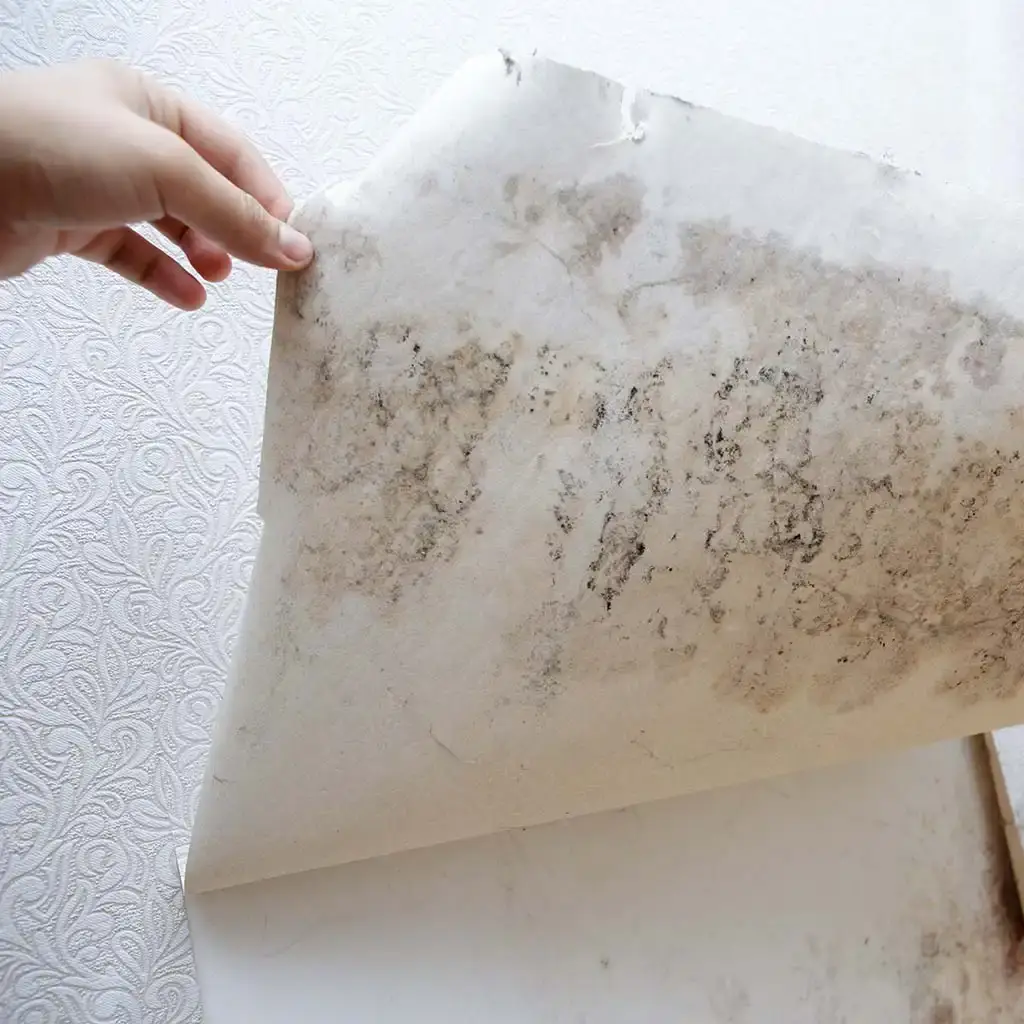
- Removal of contaminated wallpaper
- Specialist cleaning to break down tar and nicotine residue
- Full surface decontamination
- Advanced BioSweep® odour neutralisation
- HEPA air filtration to restore indoor air quality
The result
The flat was restored to a clean, odour-free and market-ready condition, with complete elimination of smoke contamination and a guarantee for peace of mind. Read the full case study.
Conclusion: Removing cigarette odour properly protects your investment
Buying or restoring a property where someone has smoked for years presents a very specific challenge.
Cigarette odour is not simply a surface smell. It is the result of long-term residue build-up within walls, ceilings, flooring, ventilation systems and soft furnishings. Without proper treatment, it can affect indoor air quality, reduce buyer confidence and impact property value.
While basic cleaning and repainting may improve appearance, they rarely address deeply embedded contamination. In heavily affected homes, specialist cleaning and professional odour neutralisation are often required to eliminate the problem fully.
The good news is that cigarette odour can be removed properly, when the right assessment, equipment and processes are used.
If you are:
- Buying a smoker’s property
- Preparing a home for sale
- Restoring an inherited flat or house
- Concerned about persistent smoke smells
Professional evaluation provides clarity and confidence before further investment. Ideal Response supports homeowners, buyers and property professionals across the UK with specialist cigarette smoke odour removal and decontamination services designed to restore properties safely and effectively.
If you would like expert advice or a no-obligation assessment, speak to our team today and find out what is possible for your property.
FAQs: Cigarette odour removal in UK properties
Can cigarette smell really be removed completely from a house?
Yes. Only when the source of the odour is properly treated. In long-term smoking properties, smoke particles embed into porous materials such as plaster, timber, carpets and insulation. Surface cleaning alone rarely works. Professional decontamination and odour neutralisation are often required for full removal.
Why does cigarette odour come back after cleaning or repainting?
Repainting or basic cleaning can temporarily mask staining and smells. However, if smoke residue remains within walls or materials, odours can re-emerge, particularly during warm weather when trapped compounds are released back into the air.
How long does cigarette odour removal take?
The timescale depends on the level of contamination and property size. Light contamination may take one to two days. Heavily affected properties, particularly those exposed to decades of indoor smoking, may require more extensive treatment.
A professional assessment is the best way to determine scope and timeframe.
Is third-hand smoke a risk in older properties?
Third-hand smoke refers to residual nicotine and chemical particles that settle on surfaces long after smoking stops. These residues can persist for months or years and may contribute to poor indoor air quality. Proper cleaning and decontamination reduce these risks significantly.
Will removing cigarette odour increase property value?
In many cases, yes. Strong smoke odours can deter buyers and lead to reduced offers. Restoring a property to a neutral, fresh condition improves marketability and buyer confidence.
Can estate agents sell a property that smells of smoke?
Yes, but strong odours can affect viewing impressions and negotiation power. Buyers often factor remediation costs into their offers, which can reduce sale price.
Does home insurance cover cigarette smoke removal?
In most cases, smoke contamination from long-term indoor smoking is not covered under standard home insurance policies. However, it is always worth reviewing policy terms for specific circumstances.
Is it better to remove carpets and redecorate instead of specialist treatment?
Replacing carpets and redecorating may be part of the solution, but without treating underlying contamination, odours can persist. Professional treatment ensures the source is addressed, not just the visible finishes.
How do I know if a property needs professional odour removal?
Signs include:
- Persistent smell even after airing out
- Yellow or brown staining on walls and ceilings
- Sticky residue on surfaces
- Odour intensifying in warm weather
If these are present, specialist assessment is advisable.
Who should I contact for cigarette odour removal in the UK?
Professional smoke odour removal specialists can assess contamination levels and recommend the appropriate cleaning and neutralisation process. Early intervention often reduces overall cost and disruption.

Chris Hedges - Head of Marketing
With over 25 years' experience, Chris is adept at defining and driving strategy, while also enjoying hands-on operational delivery. He believes in an equal blend of creativity and analytical scrutiny, always finding inventive ways to achieve objectives, underpinned by evidence. Chris’s philosophies are simple: don't overcomplicate, always prioritise customer experience, and bend the rules just enough to cut through the noise and drive momentum and growth.