Fire damage is devastating in any property. But when it occurs in a listed or historic building, the stakes are far higher.
Across the UK, thousands of historic properties, from Georgian townhouses and Victorian terraces to churches and country estates, contain materials, craftsmanship and architectural details that simply cannot be replaced. When fire strikes, restoring these buildings requires far more than standard cleaning or repairs. It demands a careful balance between damage restoration, conservation principles and specialist expertise.
Understanding how fire damage restoration works in listed buildings can help property owners, estate managers and heritage organisations respond quickly and responsibly if the worst happens.
Skip to:
Why fire damage is particularly serious in historic buildings
The importance of acting quickly after a fire
Understanding the challenges of restoring listed buildings
How fire damage restoration works in historic buildings
Why historic fire damage requires specialist restoration companies
Protecting the future of historic buildings
Why fire damage is particularly serious in historic buildings
Historic buildings often contain materials and construction methods that behave very differently from modern structures.
Timber beams, lime plaster, traditional brickwork and historic stone are all vulnerable to both fire and the secondary effects of smoke, soot and water used during firefighting.
Even a relatively small fire can lead to widespread damage through:
- Soot contamination spreading through rooms
- Acidic smoke residues damaging surfaces
- Water saturation from firefighting efforts
- Hidden structural moisture
- Lingering odours embedded in porous materials
In many historic buildings, surfaces such as lime plaster, timber panelling or stonework absorb smoke particles deeply, meaning specialist restoration methods are required to prevent long-term deterioration.
The importance of acting quickly after a fire
One of the most critical factors in restoring a listed building after a fire is speed.
Soot residues are often acidic and can begin corroding materials within hours. Smoke particles also continue to spread and settle long after the fire itself has been extinguished. Delaying restoration work can lead to:
- Permanent staining of historic surfaces
- Corrosion of metal fixtures
- Persistent smoke odours
- Mould growth caused by trapped moisture
For heritage properties, early fire damage intervention is essential to preserve original materials wherever possible.
Understanding the challenges of restoring listed buildings
Listed buildings are protected under UK heritage legislation, meaning restoration work must respect the building’s historic character.
This introduces several additional considerations during fire damage restoration.
Conservation sensitivity
Historic materials require gentle, non-invasive restoration methods. Aggressive cleaning techniques can damage delicate surfaces or remove historic finishes.
Compliance with heritage regulations
Listed buildings may require consultation with conservation officers or heritage authorities before certain repairs or replacements are carried out.
Preservation of original features
Wherever possible, restoration specialists aim to clean, stabilise and preserve original materials rather than replace them. This is particularly important for:
- Decorative plasterwork
- Original timber beams
- Historic brick and stone
- Antique fixtures and fittings
How fire damage restoration works in historic buildings
Initial assessment
Specialist technicians begin with a detailed inspection to identify:
- Structural damage
- Smoke and soot contamination
- Water damage from firefighting
- Potential safety hazards
For listed buildings, this assessment often considers both restoration needs and conservation priorities.
Securing and stabilising the property
Before restoration begins, the building must be made safe.
This may include:
- Temporary structural support
- Securing exposed areas
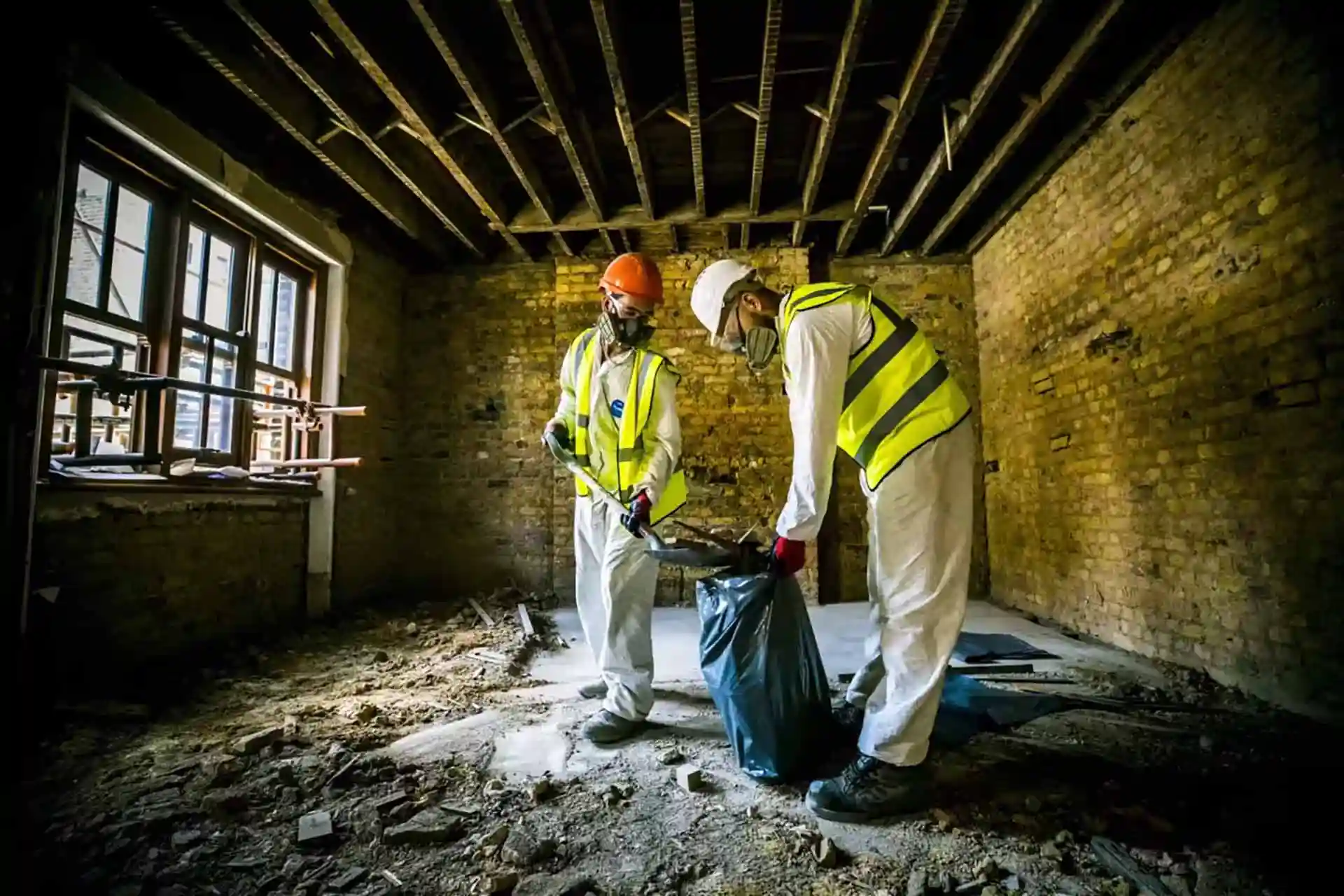
- Removing hazardous debris
Protecting the structure helps prevent further deterioration.
Specialist soot and smoke cleaning
Smoke and soot residues are among the most damaging aspects of fire.
Professional restoration teams use specialist techniques such as:
- Dry sponge soot removal
- Controlled surface cleaning
- HEPA air filtration
- Specialist chemical treatments
These methods allow delicate surfaces to be cleaned without damaging historic materials.
Structural drying and moisture control
Water used during firefighting often penetrates walls, flooring and structural elements. If left untreated, this moisture can lead to:
- Mould growth
- Timber decay
- Plaster deterioration
Industrial drying equipment and moisture monitoring systems are used to safely dry affected areas while protecting fragile building materials.
Odour removal and air quality restoration
Smoke odours can linger long after visible damage is removed. Professional deodorisation techniques may include:
- Ozone treatments
- Thermal fogging
- HEPA air scrubbing
These processes eliminate odour particles embedded in materials and restore healthy indoor air quality.
One particular fire damage restoration project that involved a Grade 2 Listed Building was The Law Society Headquarters on Chancery Lane in London. The fire was so severe that 150 firefighters and 25 fire engines were needed to bring it under control. Read the complete fire damage restoration case study.
Why historic fire damage requires specialist restoration companies
Restoring fire damage in a listed building is rarely suitable for general contractors. It requires a combination of:
- Conservation awareness
- Specialist cleaning equipment
- Structural drying expertise
- Biohazard and contamination management
- Experience working with sensitive materials
A professional fire damage restoration company can coordinate these processes while ensuring the property is stabilised, cleaned and restored as safely as possible.
Protecting the future of historic buildings
Historic buildings are more than just old structures. They represent generations of craftsmanship, architectural tradition and cultural heritage that cannot easily be recreated once lost.
Across the UK, listed buildings tell the story of towns, communities and industries that shaped the country over centuries. When fire damages one of these properties, the impact is often felt far beyond the building itself.
Restoration therefore becomes about far more than repairing physical damage. It is about protecting the materials, features and architectural character that make the building historically significant.
With the right expertise and a rapid response, it is often possible to recover far more of a historic building than property owners initially expect. Specialist restoration techniques can remove smoke contamination, stabilise structural elements and preserve delicate materials such as stonework, plaster and timber that might otherwise deteriorate.
Handled correctly, restoration helps ensure that these buildings continue to stand not just as repaired structures, but as preserved pieces of the UK’s architectural history.
Restoring historic buildings after fire damage
Fire damage in a listed or heritage building presents challenges that go far beyond those faced in modern properties. These buildings often contain materials, craftsmanship and architectural details that cannot simply be replaced once lost.
Restoration therefore requires more than general repair work. It demands specialist knowledge, careful planning and a deep understanding of how traditional materials respond to fire, smoke and water damage.
When handled correctly, fire restoration can stabilise the structure, remove harmful contaminants and preserve the character that makes historic buildings so valuable. Early intervention is often the key to preventing further deterioration and recovering original features that might otherwise be permanently damaged.
For those responsible for managing or protecting historic properties, responding quickly and working with experienced restoration professionals can make all the difference. The goal is not only to repair the building, but to ensure that an important piece of architectural heritage continues to stand for future generations.
Conclusion: Protecting historic buildings after fire damage
Fire damage in listed and historic buildings requires far more than standard repairs. Traditional materials such as timber, stone and lime plaster can be particularly vulnerable to smoke contamination, soot corrosion and moisture damage from firefighting efforts. Acting quickly and engaging specialist restoration professionals can help stabilise the property, preserve original features and protect the long-term historical value of the building.
If your listed or historic property has been affected by fire or smoke damage, contacting a professional restoration company quickly can make a significant difference. Ideal Response provides rapid-response fire damage restoration services across the UK, helping property owners, estate managers and heritage organisations protect buildings that are not only valuable, but historically significant. Contact our specialists to discover more.
FAQs: Fire damage restoration in listed buildings
Can a listed building be fully restored after a fire?
In many cases, yes. While severe fires can cause significant damage, specialist restoration techniques often allow large parts of the original structure and materials to be preserved. Professional restoration teams focus on stabilising the building, removing contamination and restoring historic features wherever possible.
Do I need permission to repair a listed building after fire damage?
In some situations, yes. Listed buildings are protected under UK heritage laws, and certain repairs or alterations may require consultation with conservation officers or local planning authorities. Emergency stabilisation work can usually begin immediately to prevent further damage.
Is smoke damage worse for historic buildings than modern properties?
Smoke damage can be particularly problematic in historic buildings because traditional materials such as wood, plaster and stone are often more porous. This allows smoke particles and odours to penetrate deeper into surfaces, making specialist cleaning techniques essential.
What happens to historic timber after a fire?
Timber elements such as beams or flooring can sometimes be restored even after fire exposure. Restoration specialists assess whether the timber remains structurally sound and may use cleaning, drying and stabilisation techniques to preserve it wherever possible.
Can soot permanently damage historic surfaces?
Yes. Soot residues are often acidic and can begin corroding surfaces within hours. If not removed promptly, soot can stain stone, plaster, wood and metal fixtures, potentially causing permanent damage.
How does firefighting water affect historic buildings?
Water used to extinguish fires can penetrate deeply into building materials. If not properly dried, this moisture may lead to mould growth, timber decay or plaster deterioration. Professional structural drying is therefore a critical part of fire damage restoration.
How long does restoration take after a fire in a historic property?
The timeline depends on the extent of the damage. Smaller incidents may take several weeks to fully restore, while larger fires affecting structural elements can require months of careful restoration work.
Should historic buildings be professionally cleaned after smoke damage?
Yes. Smoke contamination can spread throughout the property and settle in areas that may not appear visibly damaged. Professional restoration specialists use controlled cleaning techniques to safely remove soot and smoke residues without harming historic materials.
Who should carry out restoration work on listed buildings?
Fire damage restoration in listed buildings should be carried out by experienced specialists who understand both property restoration and the sensitivities of historic construction materials.
When should a restoration company be contacted after a fire?
Ideally, restoration specialists should be contacted as soon as the property is declared safe. Early intervention helps prevent secondary damage from soot corrosion, lingering moisture and smoke contamination.

Chris Hedges - Head of Marketing
With over 25 years' experience, Chris is adept at defining and driving strategy, while also enjoying hands-on operational delivery. He believes in an equal blend of creativity and analytical scrutiny, always finding inventive ways to achieve objectives, underpinned by evidence. Chris’s philosophies are simple: don't overcomplicate, always prioritise customer experience, and bend the rules just enough to cut through the noise and drive momentum and growth.