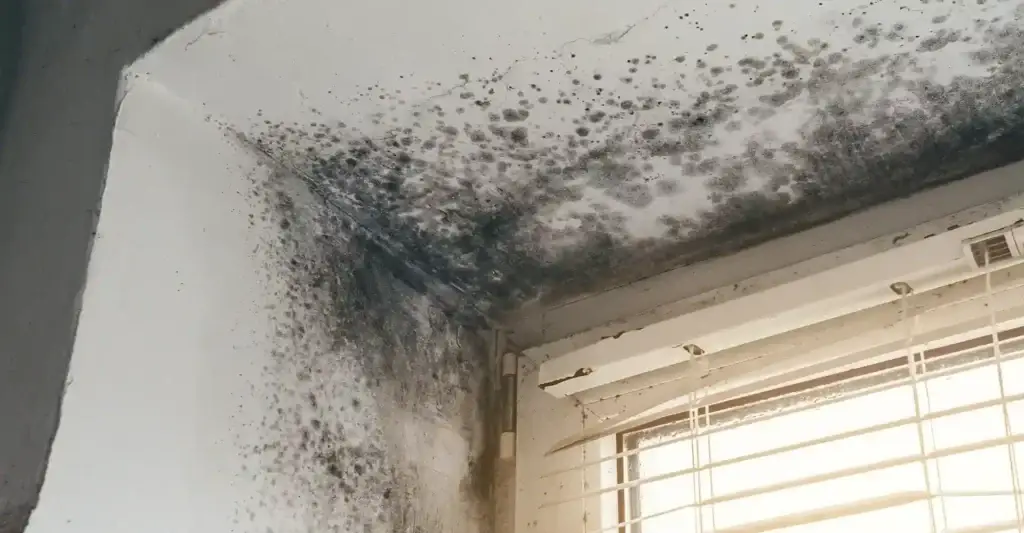
Decontamination plays a critical role in restoring environments affected by hazardous substances, in everything from chemical spills to contamination as a result of fires and floods. While contaminants are not always visible, the risks they pose to health, safety and property are very real, which is why decontamination must be carried out professionally, methodically and to a recognised standard.
In practice, an effective cleanup operation follows a structured process known as the three levels of decontamination, with each step having a specific purpose in removing harmful substances and making spaces safe to use again. In this blog post, the expert technicians here at Ideal Response will explain what the three levels of decontamination are, how they differ and how the stages of decontamination are applied depending on the circumstances. Read on for our expert dive into how professional decontamination works and why it matters.
Skip to:
What are the three levels of decontamination?
Healthcare equipment risk levels
When is decontamination required?
What is the decontamination process?
Choose Ideal Response for specialist cleaning and damage restoration
What are the three levels of decontamination?
Cleaning (level one)
Cleaning is the first and most fundamental stage of the three levels of decontamination. Cleaning sees the physical removal of visible contamination such as dirt, debris, residues and organic matter from surfaces and materials.
This stage typically uses water, detergents and mechanical action to lift and remove these contaminants, which will vary based on the situation. It’s important to remember that, while cleaning on its own does not necessarily kill bacteria or viruses, it does significantly reduce their presence, helping create the ideal conditions for the disinfection and sterilisation stages that often follow.
Disinfection (level two)
The disinfection stage focuses on reducing harmful bacteria and microorganisms to a level where they no longer pose an immediate health risk. This stage typically uses chemical agents, heat or specialist treatments (some of which are specific to certain specialist cleaning scenarios) to destroy bacteria, viruses and even fungi that can remain after the cleaning stage.
Again, it’s important to know that disinfection does not necessarily eliminate all microorganisms on its own, but it is a highly effective step when carried out correctly by trained experts. Ultimately, disinfection is essential for controlling infection risk and preventing recontamination.
Sterilisation (level three)
Stage three of the three levels of decontamination is sterilisation: this is the highest level of decontamination, and it destroys all microbial life, from bacteria, fungi and viruses to spores and resistant pathogens.
The process is most commonly associated with medical or laboratory environments, but it may also be required in extreme specialist cleaning cases where levels of contamination are high. Sterilisation can involve heat, chemicals, UV treatment and specialist equipment. Once an environment is fully sterilised, it is considered biologically safe for reuse and reoccupation without risk of infection.
Healthcare equipment risk levels
In healthcare environments, the stages of decontamination are closely linked to the risk level associated with different items and surfaces. Equipment is typically categorised as low, medium or high risk, based on how it is used and the way in which it comes into contact with patients and substances.
Low risk
Low-risk items are those that only come into contact with intact skin or don’t touch patients directly at all. Furniture, floors, walls, bed frames and external equipment surfaces all fall into this category.
Because intact skin acts as a natural barrier, these items generally pose a lower infection risk. In most cases, thorough (level one) cleaning is enough to bring contamination to an acceptable level, provided it is carried out regularly.
Medium risk
Medium risk items are those that are likely to come into contact with mucous membranes or which are more likely to be exposed to infectious organisms. This can include not only medical instruments but things like toilet seats, door handles and grab bars that patients may regularly touch.
Because these items carry a higher risk of transferring harmful microorganisms, level one cleaning is not usually enough. Disinfection, and in some cases sterilisation, is required to reduce infection risk and ensure continued safe use.
High risk
High-risk items are those that penetrate the skin or come into contact with the bloodstream. This includes surgical instruments and equipment used in any invasive procedures.
At this level, any contamination presents a serious health risk, so these items must undergo the full three stages of decontamination. Cleaning, disinfection and sterilisation are all essential to remove visible debris, destroy microorganisms and ensure complete biological safety.
When is decontamination required?
Bringing the focus back to the fire damage, flood repair, specialist cleaning and environmental services in which Ideal Response specialises, the three levels of decontamination come into play whenever an environment – be that a private home or commercial premises – has been exposed to any substance that could pose a risk to health, safety or the integrity of a building. This can include biological hazards such as bacteria, mould or bodily fluids, as well as chemical or airborne contaminants that are rarely visible to the naked eye.
Common cases we’re highly trained to deal with include chemical spills in laboratories or industrial settings, oil spills in commercial or residential areas, fire and smoke contamination, sewage ingress, floodwater ingress or exposure to hazardous fumes. When this happens, professional decontamination is essential to neutralise the associated risks and make the space safe to reoccupy. Our specialist services are designed to manage these hazards safely, quickly and in line with regulatory standards.
We’ve prepared a case study for sewage decontamination at a Cambridge care home that illustrates risks and how we tackle them.

What is the decontamination process?
Our professional decontamination services follow a structured, safety-led process that’s been carefully designed to protect both building occupants and our technicians, while ensuring any and all contaminants are fully removed. The Ideal Response difference is our industry-leading expertise, human-first approach and focus on reassurance throughout any job.
Our approach is always tailored to the exact circumstances of an incident, but most projects follow a similar sequence. Our technicians first don the appropriate personal protective equipment (PPE) before the contaminated area is then contained using absorbent materials to stop further spread. Any visible residues are then carefully removed from the outer edges inward. Once initial cleaning is complete, specialist treatments are applied, neutralising any remaining contaminants. Throughout the decontamination process, surfaces and air quality are regularly tested to confirm the effectiveness of our procedures. Nothing is missed or left to chance.
Once complete, equipment is safely cleaned or disposed of, any waste is managed in line with UK regulations and a final report is produced outlining the work carried out and any recommended next steps.
Choose Ideal Response for specialist cleaning and damage restoration
We hope this article has clearly explained how important the three levels of decontamination are and how they apply to the specialist cleaning services we specialise in here at Ideal Response. Whether you need hazardous waste disposal, oil spill cleaning or mercury cleanup, our certified and insured technicians know how to quickly, respectfully and professionally restore your environment to a decontaminated state, ready for reoccupation.
With rapid two-hour emergency response, advanced decontamination technology and a compassionate, highly trained team, Ideal Response delivers consistent, high-quality results nationwide. As a non-franchised specialist, every project is handled to the same exacting standards, with clear processes that align with insurance and regulatory requirements.
From initial assessment through to final handover, our experts act quickly, safely and with genuine care for those affected. Call us today on 0800 088 4170 or use our easy online contact form to get in touch.
FAQs
What are the three levels of decontamination?
The three levels of decontamination are cleaning, disinfection, and sterilisation. Each level serves a distinct purpose in removing contamination from environments exposed to hazardous substances. Cleaning removes visible dirt and debris, disinfection reduces harmful microorganisms to safe levels, and sterilisation eliminates all microbial life. Professional decontamination follows this structured approach to ensure environments are safe for reuse.
What is the difference between cleaning and disinfection in decontamination?
Cleaning is the physical removal of visible contaminants such as dirt, residues, and organic matter using water, detergents, and mechanical action. Disinfection goes a step further by destroying bacteria, viruses, and fungi using chemical agents or specialist treatments. While cleaning reduces contamination levels, disinfection is essential for controlling infection risk in higher-risk environments.
When is sterilisation required during the decontamination process?
Sterilisation is required when contamination levels are extremely high or when environments must be rendered completely free of all microorganisms, including spores and resistant pathogens. It is most commonly used in medical or laboratory settings, but may also be necessary in specialist cleaning scenarios following severe biological or chemical exposure.
When is professional decontamination required?
Professional decontamination is required whenever a property has been exposed to biological, chemical, or airborne contaminants that pose a risk to health or safety. This includes incidents such as chemical spills, fire and smoke damage, sewage leaks, floodwater contamination, gas leaks, and exposure to hazardous fumes. Expert decontamination ensures risks are neutralised and buildings are safe to reoccupy.
What is the professional decontamination process?
The professional decontamination process begins with a risk assessment and use of appropriate PPE, followed by containment of the affected area to prevent spread. Visible contaminants are removed first, then specialist treatments are applied to neutralise remaining hazards. Air and surface testing is carried out throughout the process, and all waste is disposed of in line with UK regulations before final certification.

Chris Hedges - Head of Marketing
With over 25 years' experience, Chris is adept at defining and driving strategy, while also enjoying hands-on operational delivery. He believes in an equal blend of creativity and analytical scrutiny, always finding inventive ways to achieve objectives, underpinned by evidence. Chris’s philosophies are simple: don't overcomplicate, always prioritise customer experience, and bend the rules just enough to cut through the noise and drive momentum and growth.