Floodwater from outside usually carries sewage and contaminants, so a flooded building needs decontaminating as well as drying. Ideal Response provides flood damage remediation and clean-up for homes and businesses across the UK: we remove floodwater, decontaminate affected areas and dry the structure, as part of a complete flood recovery service.
Coverage: UK-wide, including London, Kent and the South East
Flood damage restoration at a glance
The government's Build Back Better scheme with Flood Re can help fund resilience measures through some insurers.
Insurance and loss adjuster support
A river, the sea or surface water has entered the
building
Heavy rain has flooded a ground floor or basement
A storm has driven water in through doors or walls
Floodwater has left silt, debris or a sewage smell
You need flood clean-up services for an insurance
claim
Most UK buildings and contents policies include flooding from rivers, the sea and surface water. Internal leaks fall under escape of water instead. In high-risk areas, the government-backed Flood Re scheme can help homes get affordable cover. Check your policy wording and excess.
Detailed evidence
Moisture readings, photographs and full reports
from day one.
Drying certificate
Confirms the property has been dried to a safe
standard.
Loss adjuster liaison
We deal with your loss adjuster directly.
Building and contents
Damage to both is documented.
A flood claim adds stress at a difficult time. We provide the evidence insurers ask for.
Cause
Typical trigger
What it means for restoration
River flooding
Heavy or prolonged rain
Large volumes of contaminated water; full extraction and structural drying
Coastal flooding
Storm surges, high tides, breached defences
Salt water corrodes metals and fixings; needs thorough cleaning
Surface water
Drains overwhelmed by intense rain
Fast and localised, often bringing silt and debris
Groundwater
A rising water table
Slow and persistent, often in basements; long drying times
Specialist cleaning removes bacteria, sewage
contamination and mould spores.
Structure
Water trapped in walls and floors weakens a
building; controlled drying prevents warping, rot
and corrosion.
Mould
Antimicrobial treatment stops mould following
the flood.
Hidden contamination
Water in cavities and insulation is found and
treated before it becomes a bigger problem.
Flooding comes from outside the building, unlike a leak or burst pipe. The source shapes how the clean-up is done.
Categories of floodwater
Why choose Ideal Response for flood damage restoration
Accredited specialists
BDMA and IICRC accredited water damage and
drying specialists
Proven results
Flood damage drying after a burst loft tank in
Hertfordshire
Paperwork that stands up
Insurer-ready paperwork: moisture readings,
photographs and a drying certificate
24/7 emergency line, UK-wide
From our head office in Maidstone and our London
office, with ISO 9001, 14001 and 45001 certified
systems
Independently reviewed
Read what customers say on Trustpilot, where we
invite every customer to leave a review. Live rating
shown by the Trustpilot widget.invite every customer to leave a review. Live rating
shown by the Trustpilot widget.
Typical timescales
Situation
Typical time on site
Light flooding, one floor
1–2 weeks
Ground floor of a house
2–4 weeks
Large or commercial flood
4 weeks or more, phased
Standards we work to: HHSRS, Awaab's Law, HSE and COSHH regulations
Making your property more flood-resilient
Most external floodwater is category 3, the most harmful type. That is why flood restoration is about decontamination, not just drying.
Where our work stops
We remove floodwater, decontaminate and dry. We do not carry out building
repairs, reinstatement or flood defence work.
Once dry, the property is handed back ready for your builder or your insurer's
contractor.
After a flood, it is worth considering measures that reduce damage next time. Your builder or a flood resilience surveyor can advise:
How much does flood damage restoration cost?
Cost depends on the type of floodwater, how deep and widespread it is, and how long it has been there. You receive a written quote before work starts.
Recent flood damage restoration projects
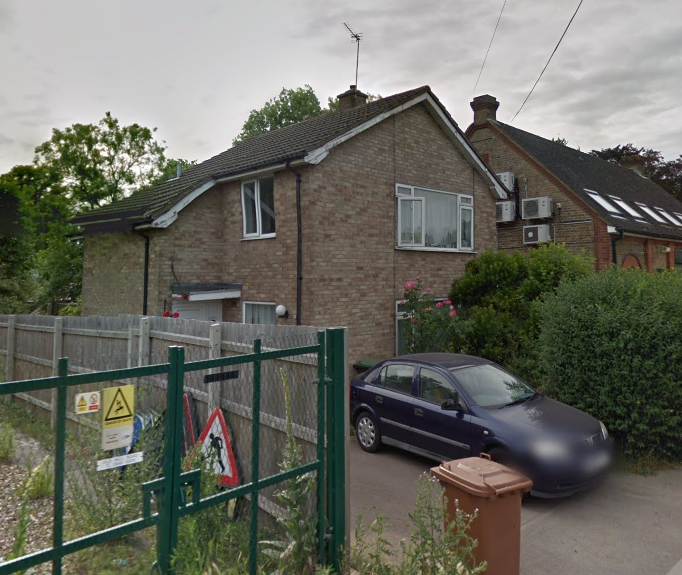
Flood damage drying after a burst loft tank in Hertfordshire
Location
Kings Langley, Hertfordshire
Duration
4 weeks
Service
Flood damage restoration
Sector
Residential
Related services and guides
A burst tank saturated both floors of a 1960s house, with some materials at 100% moisture content. After
a controlled strip-out, desiccant and condensing dehumidifiers and air movers dried wall cavities,
insulation and floors. All areas were back to safe moisture levels within four weeks.
“After water has travelled through several levels of a property, the drying plan has to follow the route the moisture has taken. A room can appear to be improving while water remains trapped behind finishes or within cavities, so readings from the construction are what tell you where access and drying are still needed.”
A flood plan: sign up for Environment Agency
flood warnings
Non-return valves on drains and toilets
Water-resistant plaster and tiled floors on ground
floors
Talk to the team
For an emergency, call us. Otherwise send a few details and photos, and the team will get back to you.
0800 088 4170
Available 24/7
We’ll use your details to respond to your enquiry. View our Privacy Policy
Flood damage restoration: FAQs
Is flood water harmful to my health?+
In many cases, yes. Most flood incidents contain Category 3 water. This means it contains bacteria, chemicals and contaminants from a wide range of sources, including sewage. Prolonged exposure can cause a wide range of health issues. Professional flood damage restoration decontaminates your property, making it safe again.
How quickly can Ideal Response attend?+
We are available 24/7 nationwide and aim to be on site within 24 hours of your call. Where possible, we’ll be even faster. Our rapid response is one of the single biggest factors in limiting secondary damage.
How quickly can mould grow after a flood?+
Mould can grow extremely quickly. Within just 24-48 hours, mould can spread, leading to health issues and structural concerns with the property. Immediate remediation helps remove moisture and stop mould taking hold.
Can I claim for flood damage on my home insurance in the UK?+
Most UK policies covering buildings and contents include various forms of flooding; however, escape of water incidents are separate. Check your policy for details of what yours includes.
Do you handle commercial flood damage restoration?+
Yes. Our services cover residential and commercial water damage recovery. Speak to us about how we can help your home become more liveable and reduce the downtime of a commercial premises.