Mercury spills are uncommon, but when they occur they require immediate, specialist attention. Whether caused by a broken antique thermometer, barometer, laboratory instrument or legacy industrial equipment, mercury contamination presents serious health, environmental and legal risks.
At Ideal Response, we regularly attend mercury spill incidents across the UK for both private individuals and organisations. In many cases, situations initially described as “minor” are found to involve wider contamination once professional mercury vapour monitoring is carried out.
If you are searching for mercury spill cleanup in the UK, this guide explains how mercury behaves, why professional cleanup is essential, and how specialist remediation protects health, property value and regulatory compliance.
Who this guide is for
This guide is intended for:
- Homeowners dealing with broken mercury-containing items
- Landlords and managing agents responsible for occupied properties
- Businesses with legacy equipment or specialist instruments
- Facilities managers, health & safety leads and duty holders
If you are responsible for a building where mercury may be present, understanding the risks, and your responsibilities is critical.
Skip to:
What is a mercury spill and why is it dangerous indoors?
Who is at risk after a mercury spill?
Common causes of mercury spills in UK properties
Your legal responsibilities after a mercury spill in the UK
Why DIY mercury cleanup is unsafe and often makes things worse
When professional mercury spill cleanup is required
What to do immediately after a mercury spill
Conclusion: Why professional mercury spill cleanup protects health, property and compliance
What is a mercury spill and why is it dangerous indoors?
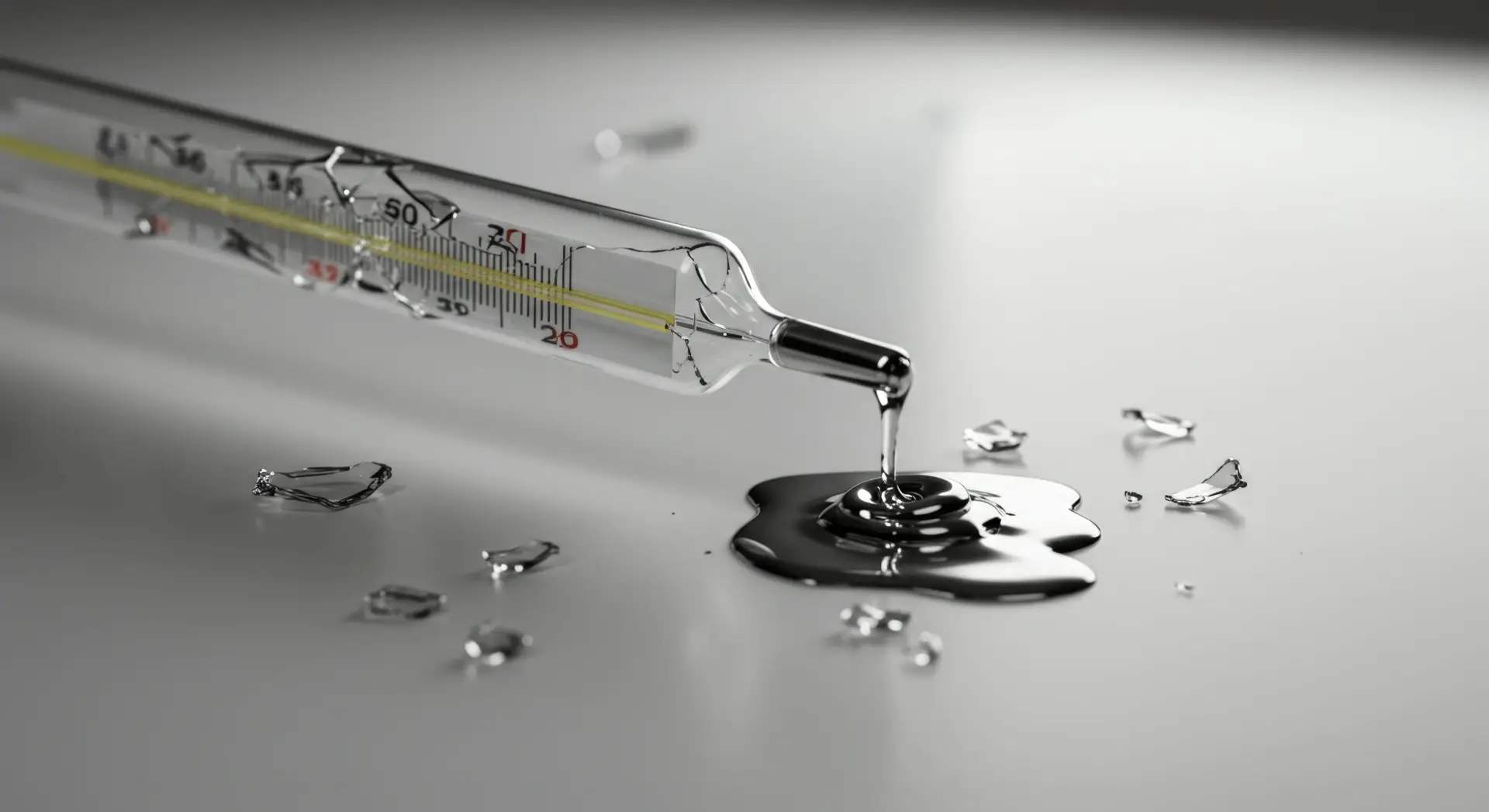
Mercury is a toxic heavy metal that is liquid at room temperature. The primary danger is not direct contact, but the continuous release of mercury vapour into the air.
How mercury vapour behaves in enclosed spaces
Mercury vapour is invisible, odourless and easily inhaled. Indoors, it can accumulate in poorly ventilated spaces and spread beyond the original spill location. Tiny droplets of mercury often roll into cracks, under flooring, into carpets, drains and ventilation systems, where they continue to emit vapour over time.
Health risks of mercury exposure for adults, children and pets
Prolonged exposure to mercury vapour can affect the nervous system, lungs and kidneys. Children, pregnant individuals and pets are particularly vulnerable due to lower body weight and developing systems. Symptoms may not appear immediately, which is why professional assessment is so important.
Who is at risk after a mercury spill?
Homeowners and residential properties
In domestic settings, mercury spills can contaminate living spaces, furnishings and air quality. Without professional cleanup, exposure can continue long after the initial incident.
Landlords, managing agents and lettings
Landlords and managing agents have a duty of care to tenants. Mercury contamination in rental properties can result in legal liability, delayed lettings and enforcement action if not addressed properly.
Businesses, workplaces and duty holders
In workplaces, mercury spills can affect staff safety, disrupt operations and trigger regulatory involvement. Employers are legally required to manage hazardous substances and prevent exposure.
What are the common causes of mercury spills in UK properties?
Domestic sources of mercury (antiques and household items)
Despite being phased out of modern products, mercury is still found in many older items, including:
- Antique thermometers and barometers
- Vintage clocks and mirrors
- Old blood pressure monitors
- Legacy thermostats and electrical switches
Spills often occur during moving, storage, accidental damage or attempted repairs.
Commercial and industrial sources of mercury
Professional callouts frequently involve:
- Laboratories and universities
- Medical and healthcare premises
- Manufacturing and engineering sites
- Measurement and control equipment
In these environments, mercury contamination can lead to business interruption and compliance concerns.
What are your legal responsibilities after a mercury spill?
Duty of care for property owners and employers
In the UK, mercury is classified as a hazardous substance. Those responsible for premises have a legal duty to prevent exposure to occupants, staff and the public.
Health, safety and environmental compliance
Legislation such as COSHH and the Environmental Protection Act requires hazardous substances to be managed safely and disposed of correctly. Professional mercury cleanup is often the only practical way to demonstrate compliance and reduce liability.
Why DIY mercury cleanup is unsafe and often makes things worse
Common DIY mistakes after a mercury spill
We are frequently contacted after DIY attempts have unintentionally spread contamination. Common mistakes include vacuuming mercury, sweeping droplets into smaller beads, or using household cleaning products that do not neutralise vapour.
How mercury spreads during incorrect cleaning
Incorrect cleaning increases airborne vapour levels and can spread mercury into previously unaffected areas, significantly increasing health risk and cleanup costs.
When professional mercury spill cleanup is required
Situations where immediate specialist action is essential
Professional mercury cleanup is required whenever mercury is spilled indoors, especially on porous materials or in shared buildings such as flats, offices or schools.
When testing and air monitoring are needed
If there is uncertainty about contamination levels, specialist testing and air monitoring are essential to confirm whether a space is safe to occupy.
How professional mercury spill cleanup works
Initial assessment and containment
Specialists assess the spill, identify migration pathways and isolate the affected area to prevent further spread.
Mercury detection, removal and decontamination
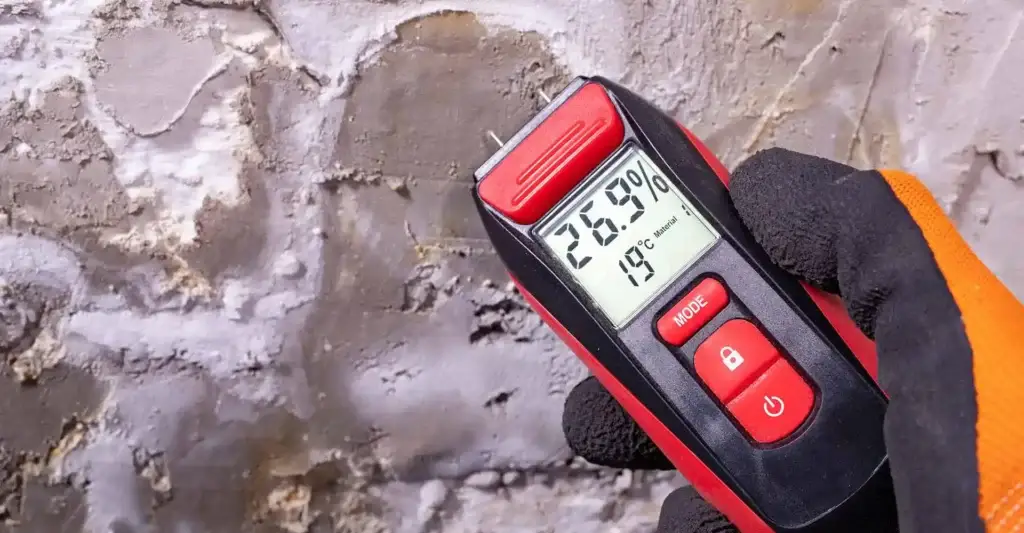
Mercury-specific detection equipment is used to locate contamination, followed by controlled removal and surface decontamination to suppress vapour release.
Air monitoring, clearance and safe reoccupation
Post-cleanup air monitoring confirms that mercury vapour levels are within safe limits before reoccupation.
How mercury and contaminated materials are disposed of in the UK
Hazardous waste classification and transport
Mercury and contaminated materials must be classified as hazardous waste and transported by licensed carriers.
Why licensed disposal and documentation matter
Professional disposal ensures environmental protection, regulatory compliance and a full audit trail for insurers or authorities.
Success story
Visit our Mercury Cleaning & Disposal case study for a more detailed look at our mercury clean-up process.
What to do immediately after a mercury spill
If you suspect a mercury spill:
- Keep people and pets away from the area
- Restrict access and isolate the space
- Ventilate carefully if it can be done safely
- Do not vacuum, sweep or mop
- Avoid touching mercury with bare hands
Contact a professional mercury cleanup service as soon as possible.
Conclusion: Why professional mercury spill cleanup protects health, property and compliance
Mercury spills are often underestimated. What appears to be a small, localised incident can lead to long-term vapour exposure, widespread contamination and significant legal liability if handled incorrectly.
Professional mercury spill cleanup is not simply about removing visible mercury. It is about restoring safe indoor air quality, protecting human health, meeting legal obligations and safeguarding property value. For homeowners, this provides confidence that their living environment is genuinely safe. For landlords and businesses, it delivers compliance, documentation and risk reduction.
If you require mercury spill cleanup in the UK, engaging a specialist contractor is the safest, most responsible and most effective course of action.
Call 0800 088 4170 for immediate support.
FAQs
What should I do immediately after discovering a mercury spill?
Evacuate the affected area and keep all people and pets away. Restrict access to prevent tracking mercury elsewhere, and ventilate cautiously if possible. Do not vacuum, sweep, or attempt to clean mercury yourself, as this spreads vapour and tiny droplets. Contact a professional mercury cleanup service immediately for assessment and containment. microorganisms to safe levels, and sterilisation eliminates all microbial life. Professional decontamination follows this structured approach to ensure environments are safe for reuse.
How dangerous is mercury vapour in indoor environments?
Mercury vapour is highly toxic when inhaled. It can accumulate in enclosed spaces, even at low concentrations, causing long-term neurological, kidney, and respiratory damage. Children, pregnant individuals, and pets are particularly vulnerable. Early intervention prevents chronic exposure and long-term health issues.
How long can mercury vapour remain in a building?
Mercury vapour can persist for months or even years if microscopic droplets remain in cracks, carpets, floorboards, or ventilation systems. Professional removal is the only reliable way to fully eliminate lingering contamination.
Can mercury contamination spread beyond the original spill area?
Yes. Mercury vapour can travel through air currents, ventilation systems, and structural gaps. In shared buildings, offices, or flats, this can affect multiple rooms or neighbouring properties, making professional detection and containment essential.
Is professional mercury cleanup legally required in the UK?
UK law classifies mercury as a hazardous substance. Property owners, landlords, and employers have a legal duty to manage mercury safely, prevent exposure, and dispose of contaminated materials via licensed channels. Professional remediation ensures compliance with COSHH, the Environmental Protection Act, and hazardous waste regulations.
How do professionals detect mercury contamination?
Specialists use highly sensitive mercury vapour analysers that can detect invisible, odourless vapour at trace levels. These instruments identify contamination hotspots, track droplet migration, and verify safe clearance after remediation.
Can mercury be removed from carpets and soft furnishings?
Yes, sometimes. Light contamination may be treatable using professional cleaning techniques, but heavily contaminated carpets, upholstered furniture, or porous materials often need to be removed and disposed of as hazardous waste to ensure vapour is fully eliminated.
How long does professional mercury cleanup usually take?
Residential cleanups typically take 1 day, including assessment, removal, and air monitoring. Larger commercial sites or complex contamination scenarios may require multiple days for full decontamination and clearance testing.
How much does mercury spill cleanup cost in the UK?
Costs vary based on spill size, materials affected, property type, and level of contamination. Early professional intervention usually reduces total cost by preventing vapour spread and secondary contamination.

Chris Hedges - Head of Marketing
With over 25 years' experience, Chris is adept at defining and driving strategy, while also enjoying hands-on operational delivery. He believes in an equal blend of creativity and analytical scrutiny, always finding inventive ways to achieve objectives, underpinned by evidence. Chris’s philosophies are simple: don't overcomplicate, always prioritise customer experience, and bend the rules just enough to cut through the noise and drive momentum and growth.