
Damage Restoration & Specialist Cleaning Company
Professional Property Damage Restoration & Cleaning Services Nationwide
- 24/7 response & planned project support
-
Fire, water & contamination restoration
- Fully insured, accredited & experienced teams
- Hassle-free insurance and claims support
-
24/7 response & planned project support
-
Fire, water & hazard cleaning & restoration
- Fully insured, accredited & experienced teams
-
Hassle-free insurance and claims support
Emergency restoration experts for flood, fire, mould & contamination incidents
When property damage happens, rapid response is critical. Ideal Response provides nationwide emergency restoration, decontamination, and specialist cleaning services for homes, commercial properties, insurers, and facilities teams across the UK.
Our certified teams help contain damage, reduce business disruption, support insurance claims, and restore properties safely following floods, fires, mould outbreaks, sewage contamination, trauma incidents, and environmental hazards.
We handle all types of property damage and specialist cleaning:
Or call 24/7 for immediate help 0800 088 4170
Proven results across the UK
With over 20 years of hands-on restoration experience, Ideal Response is a fully accredited provider, holding industry certifications including IICRC, ISO, and SafeContractor.
We deliver structured restoration and remediation services designed to minimise disruption, control damage, and protect the long-term value of your property.
Available 24/7, our experienced teams support both residential and commercial clients across the UK with reliable damage restoration and specialist cleaning services.
-
Rapid, UK-wide emergency response:
24/7 deployment ensures we’re on-site fast, minimising damage and speeding property damage restoration across the nation. -
Experts in your corner
Our IICRC-certified and fully trained experts master advanced restoration and cleaning techniques for the best results. -
Seamless insurance claims support:
We work directly with insurers, loss adjusters and loss assessors, streamlining claims and ensuring a hassle-free process for you. -
Responsible disposal, guaranteed
As fully licensed waste carriers, we ensure the safe, compliant and environmentally responsible disposal of all materials. -
Tailored restoration plans
Each property damage restoration project is unique, that’s why everyone has a bespoke service plan, whether it’s for fire, water, mould or complex environmental challenges. -
Safety is our standard
Protecting you, your property and our team is always our top priority.


Why property owners nationwide recommend Ideal Response
Discover why property owners nationwide trust Ideal Response for expert, damp surveys, hoarder cleaning, mould removal, and flood or fire restoration. Our clients consistently praise our rapid response, technical precision, and compassionate service that makes recovery stress-free.
EXCELLENTTrustindex verifies that the original source of the review is Google. Dave was a very helpful and friendly man would highly recommend himPosted onTrustindex verifies that the original source of the review is Google. Absolutely rapid response time, cleared out flooded house is record time. Dave and Miguel, cracking guys!Posted onTrustindex verifies that the original source of the review is Google. Words cannot describe how happy I am with the service provided. From the very first interaction with Kash to the end, I couldn’t have asked for more. Kash was so compassionate and helpful and despite it being a Sunday night, I had everything booked in for the very next morning. Steve and Dave were the team at my property and they were so professional, discreet yet extremely personable, keeping me informed throughout and going above and beyond anything I could have imagined. I’m so thankful for everything they did for me, it is phenomenal! Couldn’t have asked for a better service or better people. Thank you!Posted onTrustindex verifies that the original source of the review is Google. I can’t recommend the team at Ideal Response enough! Kash was lovely and so helpful with getting a clean booked promptly, and Dan and Sam did a phenomenal job of cleaning the flat out and helping to get everything organised. Dan went out of his way to keep me updated through the whole process, and was always reassuring. The whole team have been nothing but professional and compassionate, and truly transformed the space. Forever grateful for their hard work and wouldn’t hesitate to recommend to anyone!Posted onTrustindex verifies that the original source of the review is Google. Steve and Dan were absolutely brilliant from start to finish. They came out quickly, assessed the damage, and got straight to work installing dehumidifiers and lifting the flooring to help dry my house out. They explained everything clearly, kept me updated throughout, and were so respectful of my home. Their professionalism, efficiency, and friendly attitude made a really stressful situation so much easier to deal with. You can tell they genuinely care about doing a proper job. I’m so grateful for their hard work and would highly recommend them to anyone needing help with water damage or drying services. Thanks again, Steve and Dan — you were amazing! 🙌Posted onTrustindex verifies that the original source of the review is Google. Steve & Josh provided first class help and service so grateful thank you.Posted onTrustindex verifies that the original source of the review is Google. Steve and Dave were excellent from start to finish, from phoning ahead of time to let me know when they would be arriving..To keeping me informed about each stage of the process. They were good at communicating and were very reassuring and they did an excellent job.Posted onTrustindex verifies that the original source of the review is Google. The team were amazing! Steve and Dave did a fantastic job of clearing my relative’s house after he died and we discovered he’d been a serial hoarder. They were really professional but also understanding and supportive which made a real difference to an otherwise very distressing situation. And thanks also to Kash in the office for organising the visit so promptly. I’ve been telling all my friends about Ideal Response and wouldn’t hesitate to recommend them to anyone in a similar situation.Posted onTrustindex verifies that the original source of the review is Google. Steve was fantastic, would use again !Verified by TrustindexTrustindex verified badge is the Universal Symbol of Trust. Only the greatest companies can get the verified badge who has a review score above 4.5, based on customer reviews over the past 12 months. Read more
Damage restoration & specialist cleaning blog
Clear, expert guidance on dealing with property damage, from water and fire issues to mould and decontamination, based on real on-site experience.
Need urgent support? Give us a call and talk to one of our experts in seconds
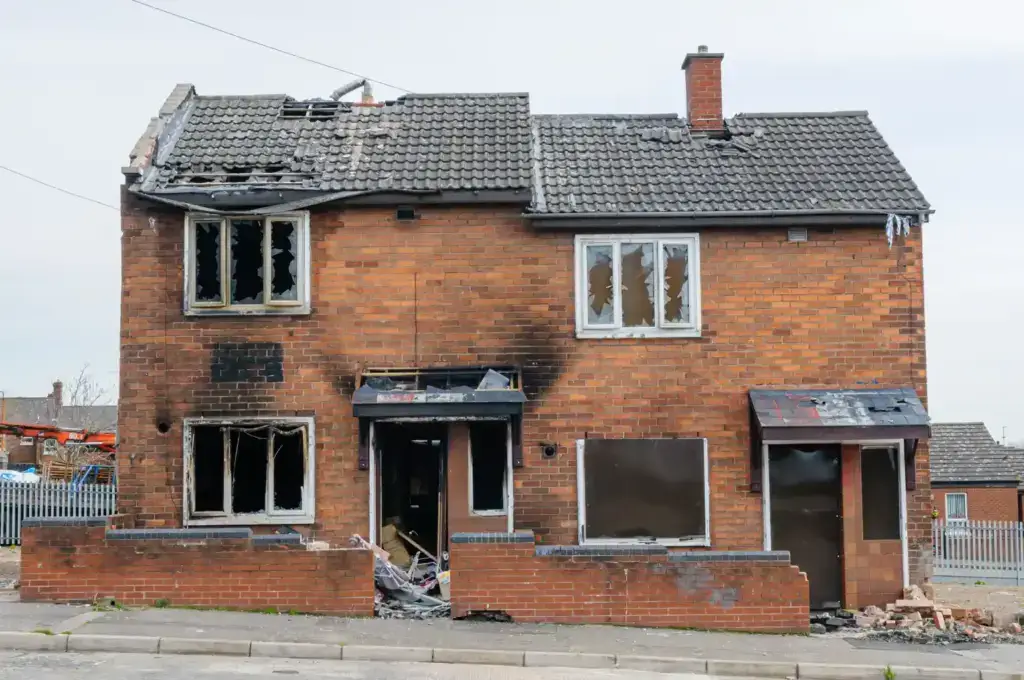
Fire damage restoration for Thames Group warehouse
The challenge: Warehouse electrical fire Ideal Response was contacted to manage the fire damage restoration of a large storage warehouse following an electrical fire. The incident left the structure, including the ceiling, walls, cables, and lighting fixtures, heavily contaminated with soot residue. A primary challenge of this project was the
A trusted UK restoration company
When searching for a professional restoration company, property owners need speed, technical expertise and full compliance. Ideal Response delivers structured property damage restoration and restoration cleaning services for homes, commercial buildings and complex environments across the UK.
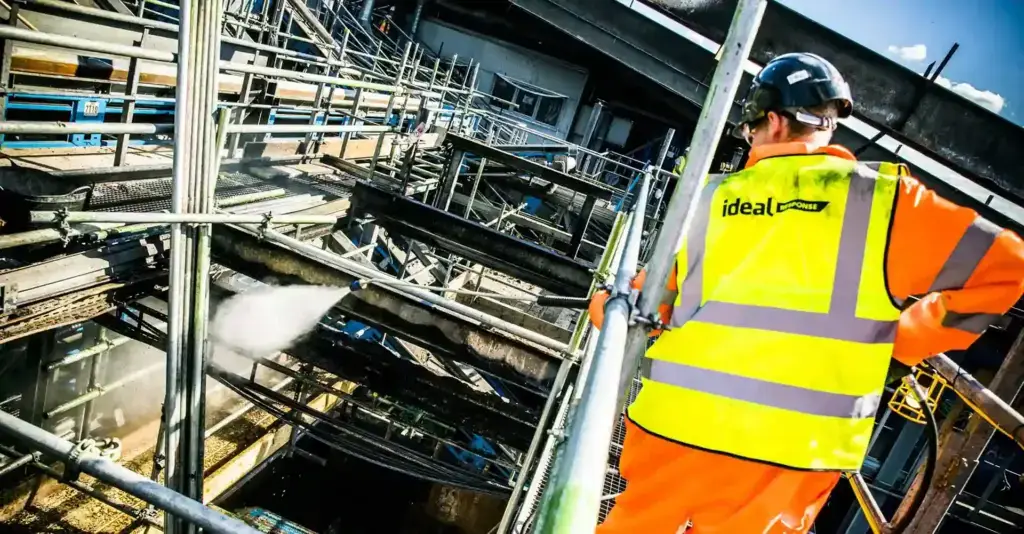
From emergency response to full restoration and contents restoration, we manage every stage of the recovery process with accredited experts for advanced specialist drying, specialist cleaning and decontamination systems.
Available all year 24/7
Insured & accredited
Rapid two-hour response
Frequently Asked Questions
Here you’ll find answers to the most common questions about how we operate and deliver our services, from the areas we cover to our working hours.
What areas do you cover in the UK?
We operate nationwide, though availability can vary by service. Many of our core services are offered across the UK, while some specialist options may be limited to certain regions. Locations we cover include: London, Kent, Maidstone, Canterbury, Surrey, Essex, Dover, Brentwood, Reading, Watford, Ascot, Milton Keynes, Brighton, Birmingham, Leicester, Southampton, Bournemouth, Hastings, Southend-on-Sea, Cambridge, Portsmouth and Oxford.
Alternatively, get in touch to check availability in your area or visit our location hub.
What services do you offer?
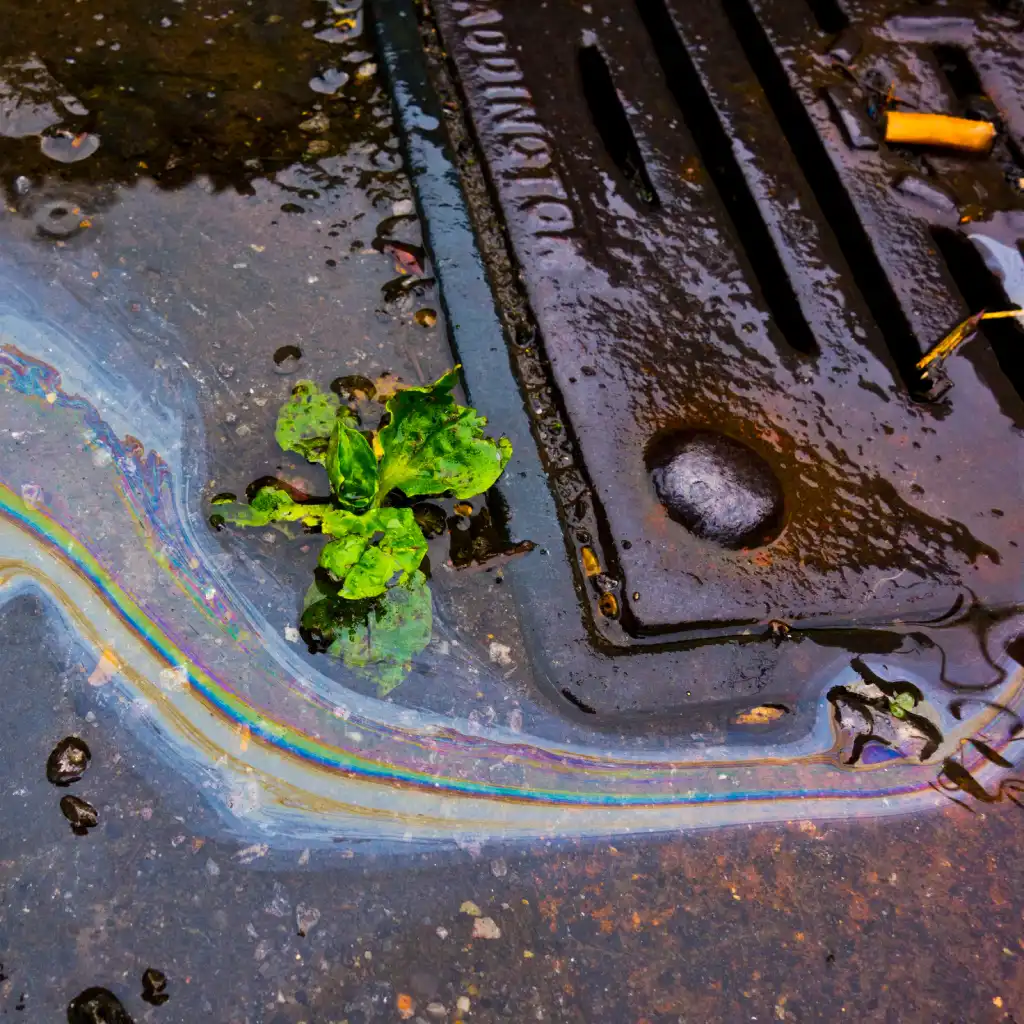
We specialise in professional services such as fire damage cleaning, water damage restoration, mould removal, damp surveys, hoarder cleaning, leak detection and oil spill clean-ups. Unlike standard domestic cleaning companies, we do not offer routine household cleaning. Our focus is on delivering tailored, specialist solutions nationwide.
What are your standard office hours?
Our standard office hours are 8am – 5.30pm, Mon – Fri nationwide. However, we offer emergency and out-of-hours support 24/7 and for 365 days of the year.
What counts as an emergency service?
Emergencies are issues that pose an immediate risk to health, safety, or property, such as flooding, oil spills, or traumas. Non-urgent needs like mould removal, scheduled hoarder cleans, or damp surveys are best booked during our normal working hours.
Are your services available on weekends and public holidays?
Yes indeed! Many of our services are available on weekends and public holidays across the UK. Some specialist services may be more limited, but our team will confirm availability for your area. Talk to one of our friendly experts.
Do you charge extra for travel outside your main service areas?
Because Ideal Response operates nationwide, most services don’t incur additional travel charges. For specialist services delivered outside core coverage zones, a small fee may apply, but we’ll confirm this before any booking.
What does a restoration company do?
A restoration company repairs and restores properties damaged by water, fire, mould or contamination. Ideal Response provides emergency response, drying, decontamination, structural repairs and contents restoration, helping homeowners and businesses return their property to a safe, pre-loss condition quickly and compliantly.
What is property damage restoration?
Property damage restoration is the professional process of repairing buildings affected by flooding, fire or contamination. Ideal Response delivers emergency stabilisation, drying, cleaning and remediation to prevent further damage and safely restore properties to their original condition across the UK.
What is the difference between restoration cleaning and standard cleaning?
Restoration cleaning removes hazardous contamination after fire, flood or mould using specialist equipment and certified technicians. Standard cleaning handles routine hygiene. Ideal Response provides professional restoration cleaning services designed to eliminate health risks and structural damage, not everyday dirt.
When should I contact a professional restoration company?
You should contact a professional restoration company immediately after flooding, fire, sewage leaks or mould growth. Ideal Response offers rapid 24/7 emergency support, limiting structural damage, reducing health risks and preventing costly secondary issues such as mould development.
Have you got a question that isn’t covered here? Our team can help.