Available 24/7 | 0800 088 4170

Available 24/7 | 0800 088 4170
Hoarding touches many lives throughout the UK, it may not always be directly but it could well be through friends and family suffering with the disorder. With so much stigma attached to hoarding disorder it’s important that people have a reliable guide to hoarder to help dispel the negativity and misunderstanding. In this blog we provide you with the facts and information you need to better understanding hoarding. To learn more about our hoarder cleaning service you can visit the page to see how it can benefit you.
Skip to:
What is hoarding?
UK Guide to hoarding
The dangers of hoarder homes
Step-by-step process to hoarding cleaning
Hiring a professional
Conclusion
FAQs
Hoarding is a serious issue that affects thousands of people across the UK, often resulting in unsafe living conditions and emotional distress for both the hoarder and their loved ones. If you have a family member or friend struggling with hoarding disorder, understanding how to help them is crucial. This comprehensive guide will provide you with a step-by-step approach to hoarder cleaning, including essential safety measures, UK-specific statistics, and when to seek professional help.
Hoarding disorder is more than just excessive clutter, it is a recognised mental health condition that causes individuals to have persistent difficulty discarding possessions, regardless of their actual value. According to a study by the charity HoardingUK, an estimated 1.2 million people in the UK are affected by hoarding disorder.
Many hoarders accumulate items due to underlying psychological factors such as trauma, anxiety, depression, or obsessive-compulsive disorder (OCD). This makes hoarder cleaning a delicate process that requires empathy, patience, and understanding.
Helping someone who shows signs of hoarding behaviour hoarder requires patience and understanding. Here are a few tips:
Hoarder cleaning in the UK is a specialised, compassionate, step-by-step approach to addressing Hoarding Disorder, a complex mental health condition beyond simple clutter. This process is crucial due to significant dangers like fire hazards, pest infestations, structural damage, and biohazards. It typically involves a careful assessment, sorting and decluttering using methods like ‘Keep, Donate, Discard’, responsible waste disposal, thorough deep cleaning and sanitisation, and finally, organisation. For extreme cases, professional hoarder cleaning services are vital, offering expertise in handling hazards, specialized equipment, crucial emotional support, and ensuring compliance with UK regulations, leading to safer living conditions and improved well-being.
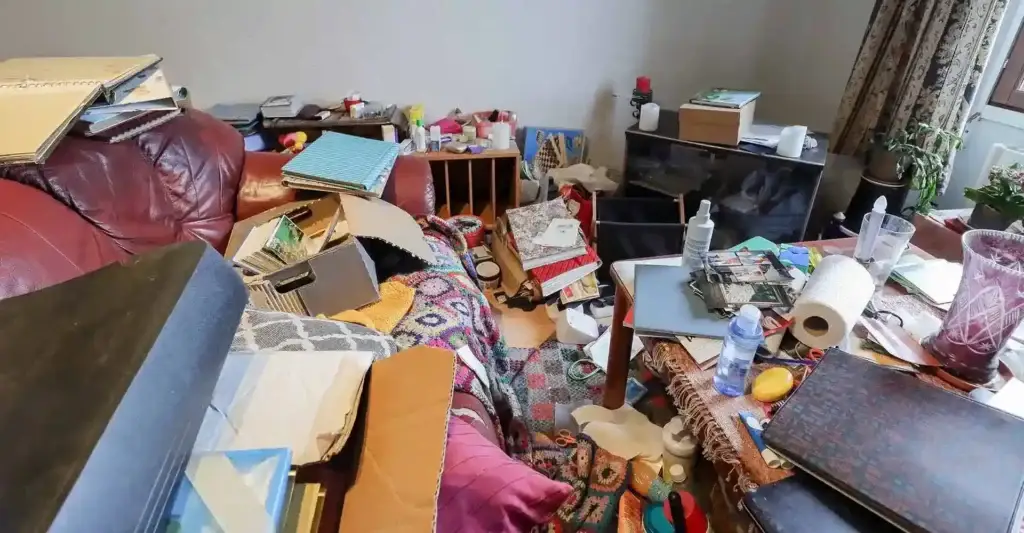
Hoarded homes pose significant risks, including:
Given these dangers, it’s essential to approach hoarder cleaning methodically and safely.
Start by evaluating the severity of the hoarding. Identify blocked pathways, potential biohazards, and any structural damage. This will help you determine the resources and assistance required for the clean-up.
Ensure you have access to the the right cleaning equipment, including:
Use the “Keep, Donate, Discard” method which helps to reduce the overwhelming nature and horded space can give:
Gently encourage the person to make decisions but remain patient, as this process can be emotionally challenging. Another reason to seek a professional hoarder cleaning service who are trained in all requirements needed for a successful hoarder clean.
In the UK, councils provide bulky waste collection services for large items. You can also contact licensed waste removal companies for ethical disposal.
Once the hoarded items have been cleared, deep clean the home:
An important factor to consider is the presence of hazardous materials, ensuring that they are handled safely and disposed of correctly is vital. Once this is completed it is just as important that the property receives thorough biohazard cleaning. A professional hoarder cleaning service provider should incorporate this into the service.
Introduce storage solutions such as shelves, labelled bins, and filing systems to help reduce the impact of future hoarding. Encourage regular maintenance routines to sustain a clean environment.
If the hoarding behaviour is extreme, professional help is recommended and benefits both your property and your own mental and physical health. Professional hoarder cleaning services in the UK offer:
Hiring professionals, such as Ideal Response, ensures a thorough, stress-free, and safe clean-up. We have over 20 years experience providing our services to customers throughout the United Kingdom. To learn more about our hoarder cleaning experience and expertise take a look at a major hoarder clean-up service we delivered. You can also visit our reviews page to see what our customers have to say.
Hoarder cleaning is a challenging but necessary process to improve the safety and wellbeing of your loved one. By following a structured plan, using the right cleaning techniques, and offering ongoing support, you can make a meaningful difference. If the hoarding behaviour is severe, don’t hesitate to reach out to professional hoarder cleaning services for expert assistance.
Are you dealing with a hoarding situation? For a kind, considerate and understanding approach, talk to one of the team .

Chris Hedges is Head of Marketing at Ideal Response and the author of every article published on this site. With over 25 years of senior marketing experience across property, legal, and professional services sectors, Chris brings a clear, evidence-led approach to writing about fire damage, flood restoration, and specialist property remediation. His philosophy is simple: cut through the noise, respect the reader's time, and give people the information they actually need.
Explore more articles about damage restoration, specialist cleaning and what we do
If you’re dealing with fire damage, flooding, or an environmental incident, our team is ready to respond. No matter if you have a question or have an emergency that you need help with, call:
If you’d prefer to drop us a message, use our main contact form and upload any pictures of the incident. Would you like us to call you? Fill out the short ‘Request a call back’ form.