Available 24/7 | 0800 088 4170

Available 24/7 | 0800 088 4170
Hoarding is a complex mental health condition, and addressing a hoarder’s home requires empathy and a carefully structured approach. This guide provides a compassionate, step-by-step approach to hoarder cleaning in the UK, focusing on safety, emotional support, and effective techniques.
Skip to:
Understanding hoarding disorder
Step 1: Initial Assessment
Step 2: The sorting process
Step 3: Responsible waste disposal
Step 4: Deep cleaning and decontamination
Step 5: Organisation and support
When to hire an expert
FAQs
When it comes to hoarder cleaning, patience is paramount. The process goes far beyond simple decluttering; it requires a compassionate approach that respects the individual’s mental and emotional state. A person with hoarding disorder has a powerful attachment to their possessions, and a rushed, forceful cleanup can cause severe distress and may even lead to re-hoarding. A successful hoarding cleanup must be a gradual, supportive process that empowers the individual, building trust and helping them make key decisions at their own pace.
While patience is essential, professional hoarder cleaning services are crucial for safety and success. Experts bring an unbiased approach and are trained to handle hidden dangers like biohazards, structural issues, and dangerous pests. Unlike a DIY cleanup, professionals have the right equipment to ensure proper sanitation and disposal, legally and efficiently. Hiring professional help provides a safe, discreet, and objective solution, protecting both the individual and their home from health risks and potential property damage.
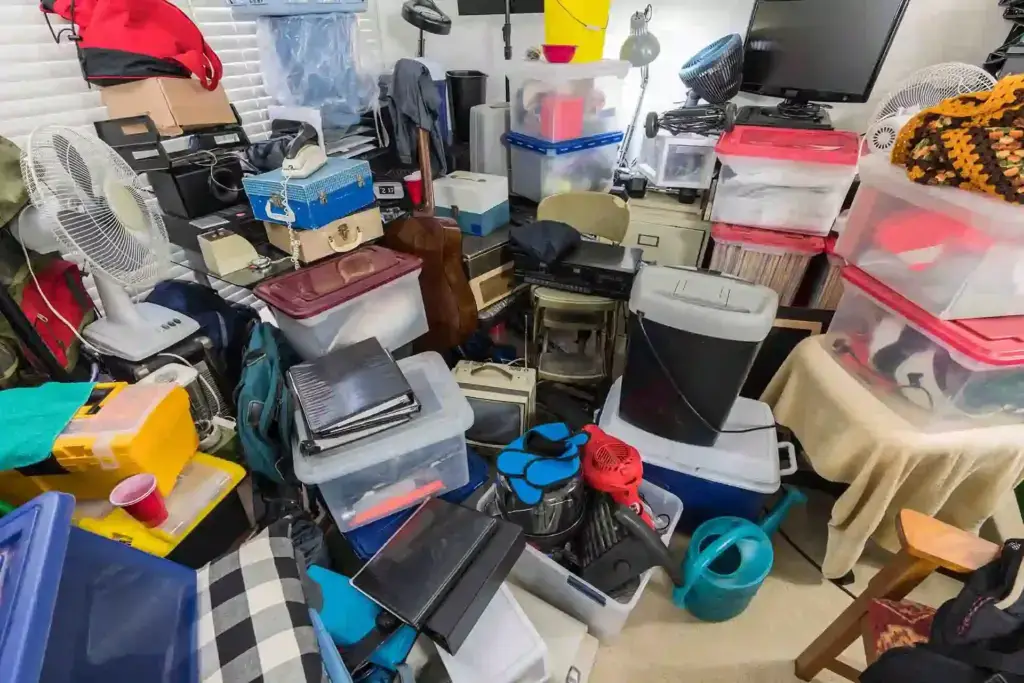
The first step is a sensitive, non-judgemental assessment of the situation. Identify potential hazards such as blocked exits, biohazards, and structural damage. This assessment helps you understand the scale of the task and the resources needed.
Approaching the sorting process with a hoarder requires immense patience and a compassionate, structured approach. This is not about simply throwing things away; it’s about helping the individual regain control and make difficult decisions. The “Keep, Donate, Discard” method is a proven strategy that provides a clear framework and helps to reduce anxiety.
These are the essential items that are necessary for daily life, as well as those with significant sentimental or financial value. It’s crucial to empower the individual to make these choices themselves. This could include important documents, cherished family photos, or a small number of items they have a strong emotional attachment to.
This category is for items that are still in good condition and can be re-purposed to help others. Suggesting a local charity or a shelter for these items can provide the individual with a sense of purpose and a positive outcome for their possessions.
This is for items that are broken, unusable, or hazardous. The goal is to safely remove waste that poses a threat to health and safety. This can include old food, damaged furniture, or items that have been contaminated.
Once items have been sorted, the waste must be handled with care. Hoarded properties often contain various types of waste, from general rubbish to biohazardous materials. Securely bagging and removing waste is crucial for improving living conditions.
After the hoard has been cleared, a thorough deep clean is required due to the hazards often present in hoarder properties. This involves sanitising all surfaces, removing any mould, and ensuring the property is free of pests. A professional cleanup will include specialist equipment to neutralise odours and purify the air.
The final step is to help the individual reorganise their space to prevent re-hoarding. This may involve setting up shelves, creating clear pathways, and providing ongoing emotional and psychological support. The process doesn’t end with the cleanup; continued support is key.
While this guide provides a framework, many situations are too complex or hazardous for a DIY approach making it important to know when you should seek help . If you are dealing with a property that contains significant biohazards, structural damage, or an individual who is resistant to the process, a professional service is the safest and most effective solution.
For comprehensive, empathetic, and discreet hoarder cleaning services, explore our dedicated page and discover how Ideal Response can help you. Learn more about our hoarder cleaning services . OR, if you’re ready to seek help you can contact our team today.

Chris Hedges is Head of Marketing at Ideal Response and the author of every article published on this site. With over 25 years of senior marketing experience across property, legal, and professional services sectors, Chris brings a clear, evidence-led approach to writing about fire damage, flood restoration, and specialist property remediation. His philosophy is simple: cut through the noise, respect the reader's time, and give people the information they actually need.
Explore more articles about damage restoration, specialist cleaning and what we do
If you’re dealing with fire damage, flooding, or an environmental incident, our team is ready to respond. No matter if you have a question or have an emergency that you need help with, call:
If you’d prefer to drop us a message, use our main contact form and upload any pictures of the incident. Would you like us to call you? Fill out the short ‘Request a call back’ form.