At handover stage, most construction projects look complete. Finishes are in place, systems are operational, and from a visual perspective, the building appears ready for occupation.
But this is also the point where one of the most common (and costly) issues in UK construction is missed: residual moisture within the building.
It’s not unusual for projects to reach completion with significant moisture still trapped in screed, plaster or structural elements. The problem is that this isn’t always visible during inspections and by the time it shows itself, the building has often already been handed over.
Across the UK, moisture-related defects are a leading cause of:
- Flooring failures
- Mould growth
- Post-completion complaints
- Costly return visits and remedial works
In many cases, the root cause is the same – the building simply wasn’t dry enough.
This article explains why specialist drying is often required before handover, where moisture comes from, and how taking a controlled approach at the right stage can prevent problems further down the line.
Skip to:
Quick summary: Why drying matters before handover
Moisture in UK construction: A widespread and costly issue
Where all this moisture actually comes from
Why excess moisture causes problems after handover
Why natural drying often isn’t enough
When specialist drying becomes necessary
How specialist construction drying actually works
What happens if a building isn’t properly dried before handover?
The real cost of getting it wrong
Conclusion: Drying is the final quality check many projects overlook
Quick summary: Why drying matters before handover
Before handover, buildings can still contain significant levels of moisture.
- Construction materials introduce large volumes of water
- Moisture can remain trapped long after works are complete
- Excess moisture is a leading cause of defects and snagging issues
- Natural drying is often too slow for project timelines
- Specialist drying ensures buildings are ready for occupation
Moisture in UK construction: A widespread and costly issue
Moisture-related problems are not uncommon, they are a well-documented issue across the UK built environment.
Industry insight highlights the scale:
- The Building Research Establishment identifies moisture as a leading contributor to building defects and performance issues.
- Insurance providers consistently report that escape of water and moisture-related damage make up a significant proportion of construction-related claims.
- Studies of UK housing stock suggest that up to 1 in 5 properties experience damp or moisture-related issues at some point
In construction, this risk is amplified by:
- Faster build programmes
- Modern airtight construction methods
- Early installation of moisture-sensitive finishes
This is why drying is increasingly viewed as a critical part of project delivery, not an optional extra.
Where all this moisture actually comes from
Moisture is built into the construction process but it must be managed.
Wet trades
Concrete, screed and plaster introduce large volumes of water into a building. A single screed installation can release hundreds of litres of moisture as it dries.
Weather exposure
During construction, buildings are often exposed to:
- Rainfall
- Humidity
- Incomplete weatherproofing
Late-stage water ingress
The following issues can introduce moisture close to handover, when time is limited.
- Leaks
- Roof defects
- Commissioning failures
Why excess moisture causes problems after handover
Moisture doesn’t simply disappear once a building is occupied. If it hasn’t been properly reduced, problems often emerge later.
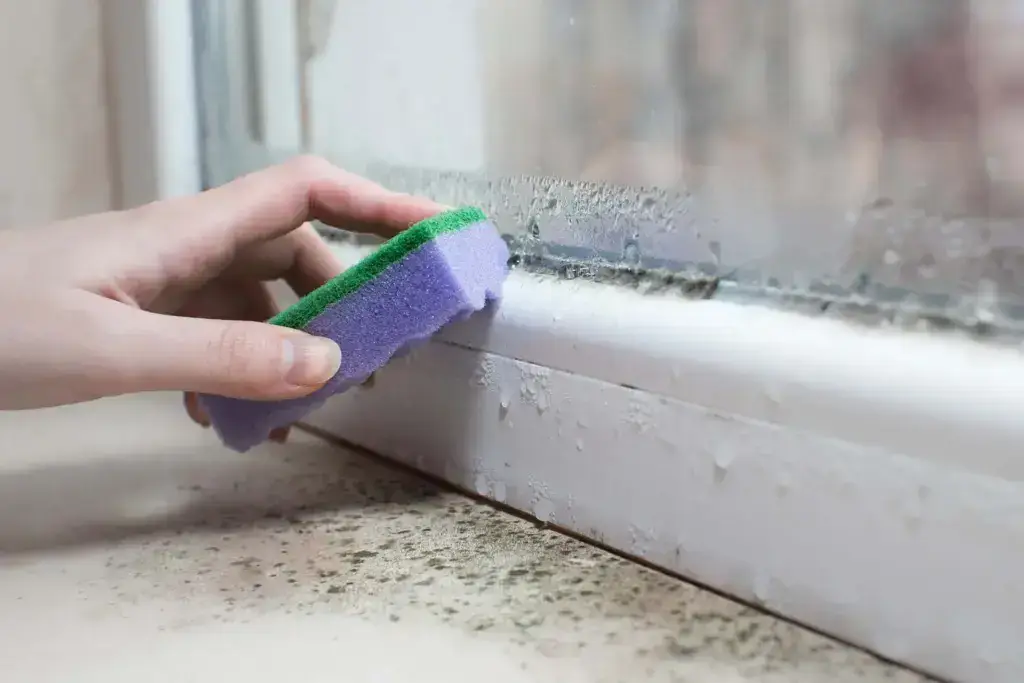
Mould growth
Moisture trapped within materials creates ideal conditions for mould and often appearing weeks after completion.
Failure of finishes
Excess moisture is a leading cause of:
- Flooring failure
- Paint defects
- Warped joinery
Snagging and delays
Moisture-related issues frequently result in:
- Failed inspections
- Delayed handovers
- Costly remedial works
Long-term performance issues
Moisture can affect:
- Indoor air quality
- Insulation
- Durability of materials
Why natural drying often isn’t enough
It’s often assumed buildings will dry naturally but this is not always realistic. Modern construction presents challenges:
- Airtight designs restrict airflow
- Project timelines are compressed
- UK weather conditions slow evaporation
- Moisture becomes trapped in dense materials
In many cases, natural drying simply cannot keep pace.
When specialist drying becomes necessary
Drying becomes essential when:
- Moisture readings remain high
- Finishes cannot be installed
- Water ingress has occurred
- Deadlines are tight
- Compliance requirements must be met
At this point, drying becomes a critical path activity.
How specialist construction drying actually works
Drying is a controlled, measurable process.
Moisture assessment
Specialists measure moisture levels within materials and structures.
Controlled drying environment
Equipment is used to:
- Reduce humidity
- Increase evaporation
- Control airflow
Targeted drying
Specific materials and areas are treated to ensure effective results.
Monitoring and verification
Moisture levels are tracked to confirm readiness for handover. Read our Construction Drying for Major Development case study to learn more about the process and how we successfully helped our client. For homeowners, visit our Water Damage Clean-up & Drying case study.
What happens if a building isn’t properly dried before handover?
This is where projects often run into trouble. If moisture is left unresolved, issues typically appear after completion:
- Flooring begins to lift or fail
- Paintwork shows staining or peeling
- Musty odours develop
- Mould appears in hidden areas
At this stage, the situation becomes far more difficult to manage. Instead of controlled drying, you are dealing with:
- Occupied buildings
- Disruption to occupants
- Reactive repairs
- Potential disputes
For contractors and developers, this can mean:
- Increased costs
- Reputational damage
- Strained client relationships
Addressing moisture early is always more effective than fixing problems later.
The real cost of getting it wrong
Failing to manage moisture properly can lead to:
- Expensive remedial works
- Delayed occupancy
- Repeat site visits
- Insurance claims
In contrast, proactive drying is:
- Controlled
- Predictable
- Cost-effective
Conclusion: Drying is the final quality check many projects overlook
Construction inevitably introduces moisture, that cannot be avoided.
What can be avoided is handing over a building before that moisture has been properly managed. Across the UK, moisture-related defects continue to drive:
- Flooring failures
- Mould issues
- Post-completion complaints
And in many cases, the root cause is simple: the building was not dry enough at handover.
By taking a controlled approach to drying:
- Defects can be prevented
- Handovers can proceed smoothly
- Long-term performance can be protected
If moisture is a concern on your project, Ideal Response provides specialist construction drying services across the UK, helping ensure buildings are ready for handover without unnecessary risk or delay.
Speak to the team today to protect your project and avoid costly post-completion issues.
Frequently asked questions: Construction site drying & handover
Can a building be handed over if it isn’t fully dry?
In some cases, yes but it carries risk. If moisture levels are too high, defects such as flooring failure or mould can develop after handover, often leading to costly remedial work.
What happens if screed or floors haven’t dried properly?
If flooring is installed too early, you may see lifting, warping or adhesive failure. This is one of the most common and expensive moisture-related defects in construction.
How common are moisture problems in UK construction?
Very common. Moisture-related defects are one of the leading causes of post-completion issues, particularly in fast-paced residential and commercial developments.
Who is responsible if moisture causes problems after handover?
Responsibility depends on the contract, but it often sits with the contractor or developer if the building was handed over before reaching appropriate moisture levels.
Can moisture issues appear after the building is occupied?
Yes, and this is where problems become more complex. Once occupied, drying and repairs are more disruptive, and issues are more likely to lead to complaints or disputes.
Is drying only needed after flooding or major water damage?
No. Most drying requirements come from normal construction moisture, particularly from screed, plaster and concrete.
Will waiting longer solve the problem without specialist drying?
Not always. Natural drying can be slow and inconsistent, especially in airtight buildings or during colder, wetter months in the UK.
Can drying be targeted to specific areas of a building?
Yes. Drying can focus on areas such as screed, walls or zones affected by water ingress, rather than the entire building.
Does specialist drying delay the project?
In most cases, it helps prevent delays. Controlled drying can accelerate progress and allow follow-on trades to proceed sooner.
When should drying be assessed during a project?
Ideally before final finishes are installed and certainly before handover, particularly if there are any concerns about retained moisture.

Chris Hedges - Head of Marketing
With over 25 years' experience, Chris is adept at defining and driving strategy, while also enjoying hands-on operational delivery. He believes in an equal blend of creativity and analytical scrutiny, always finding inventive ways to achieve objectives, underpinned by evidence. Chris’s philosophies are simple: don't overcomplicate, always prioritise customer experience, and bend the rules just enough to cut through the noise and drive momentum and growth.