It’s a familiar situation. The weather improves, you step outside to use your balcony or patio and immediately notice it’s not as usable as you expected.
What might have started as a few droppings has turned into:
- Dried, layered guano across surfaces
- Staining on paving, decking or furniture
- A noticeable, unpleasant smell
- Signs of repeated pigeon activity nearby
At that point, most people think ‘I’ll just clean it off.’ But once you get closer, it’s rarely that simple. The guano is often baked on, difficult to shift, and, more importantly, not something you want to disturb without thinking about how you’re doing it.
In this guide, you’ll learn:
- How to deal with pigeon guano safely
- Why it’s more than just a cleaning issue
- What works (and what often makes it worse) and when it becomes a job for specialists
Skip to:
Why pigeon guano is treated as a biohazard
Why balconies and patios become pigeon hotspots
The hidden impact of guano build-up
Why this becomes harder to deal with over time
How to clean pigeon guano safely (without increasing risk)
Why DIY cleaning often doesn’t fully solve the problem
When it stops being a cleaning job and needs specialist attention
Why pigeon guano is treated as a biohazard
Pigeon droppings aren’t just unpleasant, they can present real health risks if handled incorrectly.
Guidance from the UK Health Security Agency highlights that bird droppings can contain:
- Harmful bacteria
- Fungal spores
- Pathogens that may affect respiratory health
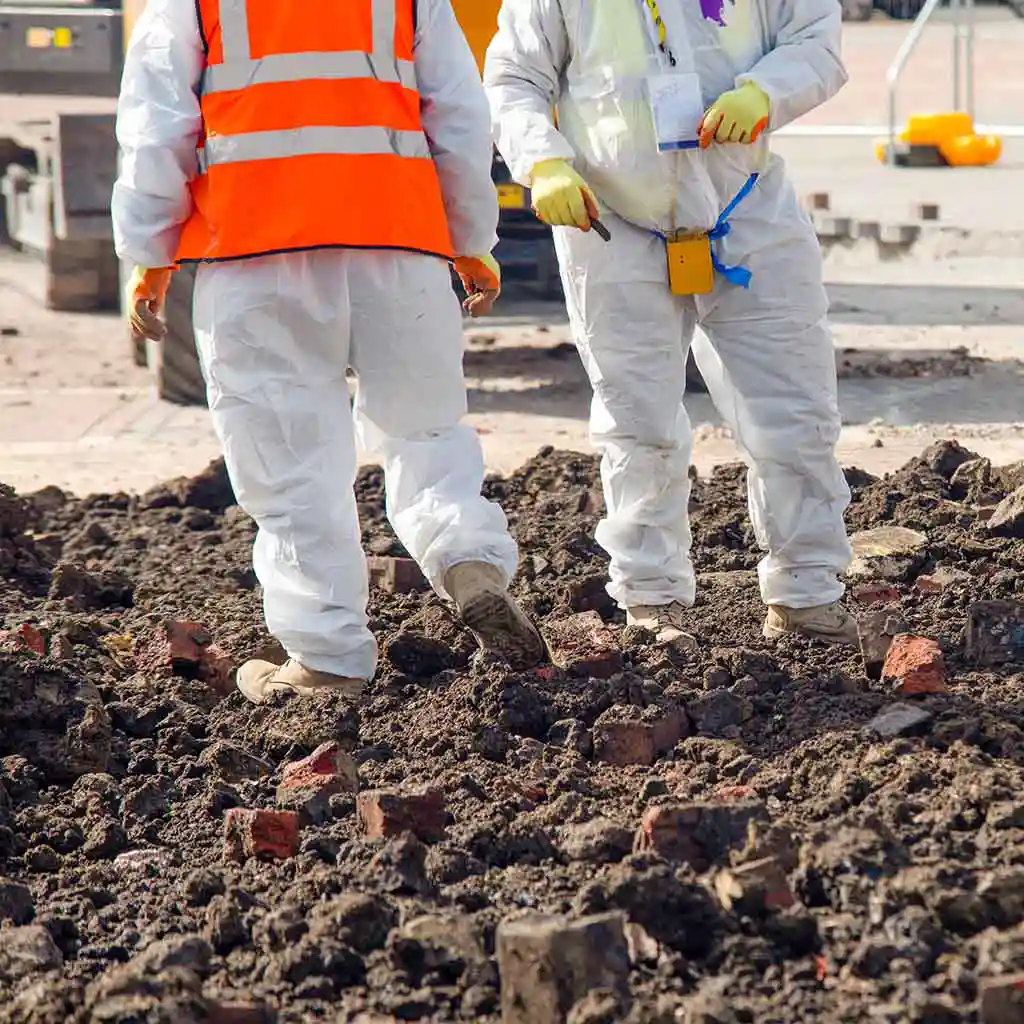
The key risk comes when guano dries out. When disturbed, it can release fine particles into the air, which can then be inhaled. This is why simply brushing, sweeping or dry cleaning the area can actually increase the risk rather than reduce it.
Why balconies and patios become pigeon hotspots
Pigeons don’t choose locations randomly. They look for areas that offer:
- Shelter from wind and rain
- Flat, stable surfaces for roosting
- Proximity to food sources
- Minimal disturbance
Balconies and patios, especially in residential blocks, often tick all of those boxes. Once pigeons begin using a space regularly, they tend to return to the same spot repeatedly And over time, what starts as occasional droppings can build into:
- Heavy guano accumulation
- Nesting materials
- Ingrained contamination
The hidden impact of guano build-up
It’s easy to focus on how it looks, but the impact goes further than appearance. Pigeon guano is acidic.
Over time, it can:
- Permanently stain stone, concrete and decking
- Damage protective coatings and paintwork
- Corrode metal fixtures and fittings
- Degrade outdoor furniture
The longer it’s left, the more likely it is that cleaning alone won’t fully restore the surface.
Why this becomes harder to deal with over time
Fresh droppings are one thing. But most balcony and patio issues involve dried, compacted guano that has built up over time. This creates several problems:
- It bonds strongly to surfaces
- Layers build on top of each other
- Bacteria and spores become more concentrated
- Odours become more persistent
At this stage, removal is no longer straightforward and improper cleaning can make things worse.
How to clean pigeon guano safely (without increasing risk)
If you’re dealing with a small, isolated area, there are safer ways to approach it. These steps are suitable for very small areas only.
Never clean it dry
Avoid sweeping, brushing or scraping dry guano.
(This is the most common mistake and the main cause of airborne exposure).
Lightly dampen the area first
Moistening the guano helps prevent particles from becoming airborne during removal.
Use disposable cleaning materials
Cloths or paper-based materials help contain contamination and reduce spread.
Wear basic protective equipment
At minimum:
- Gloves
- A suitable mask
- Eye protection where needed
This reduces direct contact and inhalation risk.
Dispose of waste carefully
Contaminated materials should be handled and disposed of responsibly to avoid further exposure.
Why DIY cleaning often doesn’t fully solve the problem
Even when done carefully, DIY cleaning has limitations.
In many cases:
- Residue remains embedded in surfaces
- Odours persist contamination isn’t fully removed
- Pigeons return to the same location
This is because the issue isn’t just the visible guano, it’s the underlying contamination and repeated activity.
When it stops being a cleaning job and needs specialist attention
There’s a clear point where this goes beyond a manageable task. Professional bird dropping removal should be considered when:
- Guano build-up is widespread or heavily compacted
- Multiple surfaces are affected
- The area is regularly used (seating, access routes, shared spaces)
- There are signs of nesting or ongoing pigeon activity
- Previous cleaning attempts haven’t resolved the issue
At this stage, the priority becomes safe decontamination and long-term resolution.
What professional pigeon guano cleaning actually involves
Specialist cleaning focuses on more than just removal.
Controlled removal of guano and debris
Using methods that minimise airborne contamination and prevent spread.
Deep cleaning and disinfection
Treating surfaces to remove bacteria, spores and residual contamination.
Odour neutralisation
Addressing smells at source not masking them.
Identification of recurring issues
Understanding why pigeons are using the space in the first place.
Preventative measures
Where needed, installing proofing or deterrents to reduce the likelihood of return.
What happens if you leave it untreated
It’s common for people to delay dealing with pigeon guano, especially if the area isn’t used regularly. But over time:
- Build-up increases
- Surfaces become more difficult to restore
- Health risks increase
- Pigeon activity becomes more established
What could have been a straightforward clean can turn into a more complex and costly issue.
Conclusion: Clean it safely and deal with the cause
Pigeon guano on balconies and patios is more than just an inconvenience.
- It presents genuine health risks if disturbed incorrectly
- It can cause permanent damage to surfaces over time
- DIY cleaning is only suitable for very small, early-stage issues
- Recurring problems usually require a more thorough solution
Acting early, and handling it properly, makes all the difference.
If your balcony or patio has been affected, Ideal Response provides specialist bird dropping removal and decontamination services across the UK, helping restore safe, usable outdoor spaces quickly and effectively.
Contact the team today for expert advice.
Frequently asked questions about pigeon guano cleaning
Is pigeon guano dangerous to clean yourself?
It can be if handled incorrectly.
The main risk comes from inhaling airborne particles when dried droppings are disturbed. This is why dry cleaning methods like sweeping or brushing should always be avoided.
Can I just jet wash pigeon droppings off my patio?
Not always. While it may remove visible material, jet washing can spread contamination, drive particles into surfaces and fail to fully disinfect the area.
Why do pigeons keep coming back to the same balcony?
Pigeons are habitual and return to areas they consider safe.
If nesting spots, shelter or residue remain, they are likely to continue using the same space.
Does pigeon guano permanently damage surfaces?
It can. Due to its acidic nature, guano can stain and degrade materials, particularly if left untreated for extended periods.
How quickly should pigeon droppings be removed?
As soon as possible. Fresh droppings are easier and safer to deal with, while older build-up becomes harder to remove and more hazardous.
What’s the safest way to clean small amounts of guano?
By dampening the area, using protective equipment and avoiding any dry disturbance that could release particles into the air.
When does pigeon guano become a professional clean-up job?
When there is significant build-up, repeated contamination, or any concern about health risks or safe handling.
Will cleaning alone stop pigeons returning?
Not always.
If the conditions that attracted them remain, additional preventative measures are usually required.
Can pigeon guano smell linger after cleaning?
Yes. Odours can persist if contamination isn’t fully removed or treated at source.
Is pigeon guano removal covered by insurance?
It depends on the policy and circumstances, but it is not always included as standard.

Chris Hedges - Head of Marketing
With over 25 years' experience, Chris is adept at defining and driving strategy, while also enjoying hands-on operational delivery. He believes in an equal blend of creativity and analytical scrutiny, always finding inventive ways to achieve objectives, underpinned by evidence. Chris’s philosophies are simple: don't overcomplicate, always prioritise customer experience, and bend the rules just enough to cut through the noise and drive momentum and growth.