Available 24/7 | 0800 088 4170

Available 24/7 | 0800 088 4170
Struggling with damp and mould in your rental home? You’re not alone. The tragic death of two-year-old Awaab Ishak in 2020 put a much-needed spotlight on a silent epidemic: the health risks of living with mould. Awaab’s Law was introduced to change things, giving tenants more power and holding landlords accountable. But with new updates in 2024, what does this new law really mean for you?
This blog will break down Awaab’s Law in simple terms. Whether you’re a tenant looking for a safer home or a landlord aiming to meet your legal obligations, this guide will explain everything you need to know about the new regulations and why acting fast is more important than ever.
Skip to:
What is Awaab’s Law?
What’s included in the update?
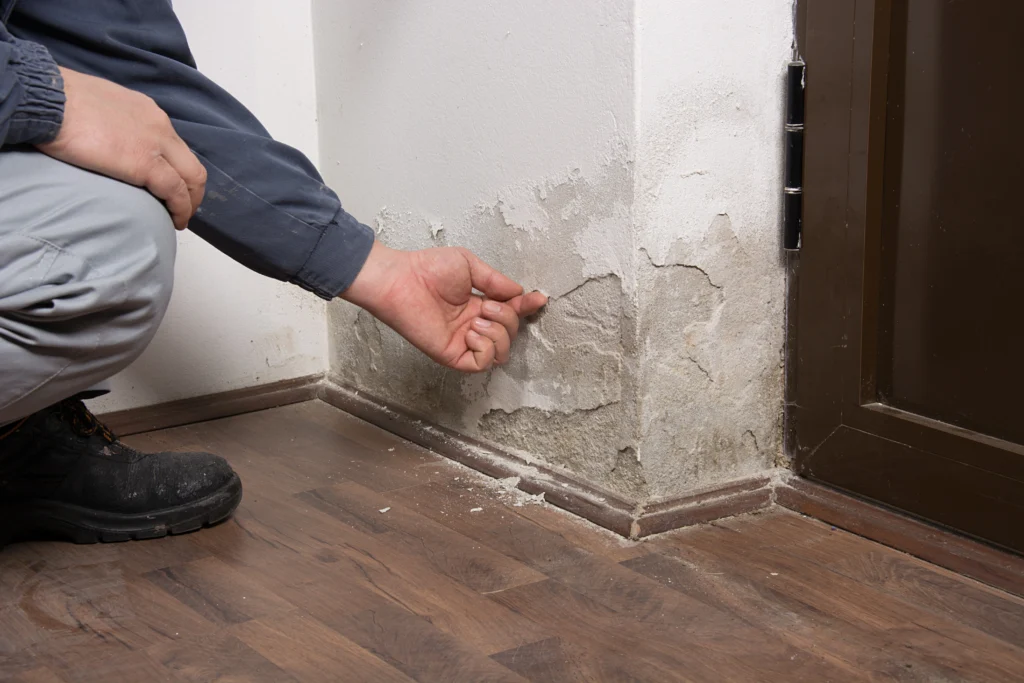
The dangers of damp and mould
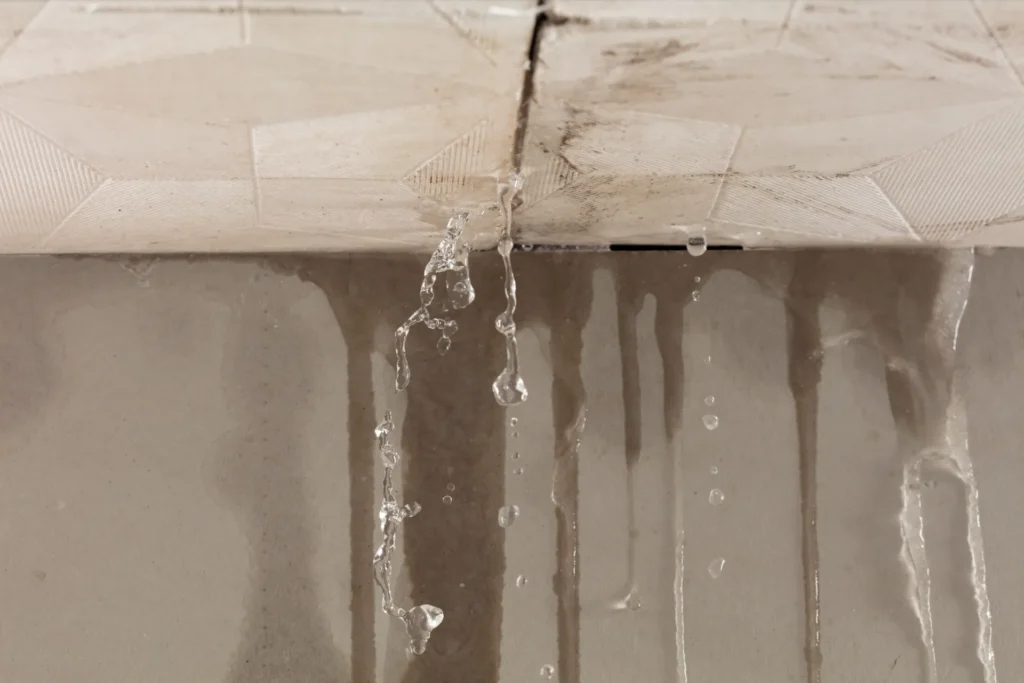
Common causes of mould
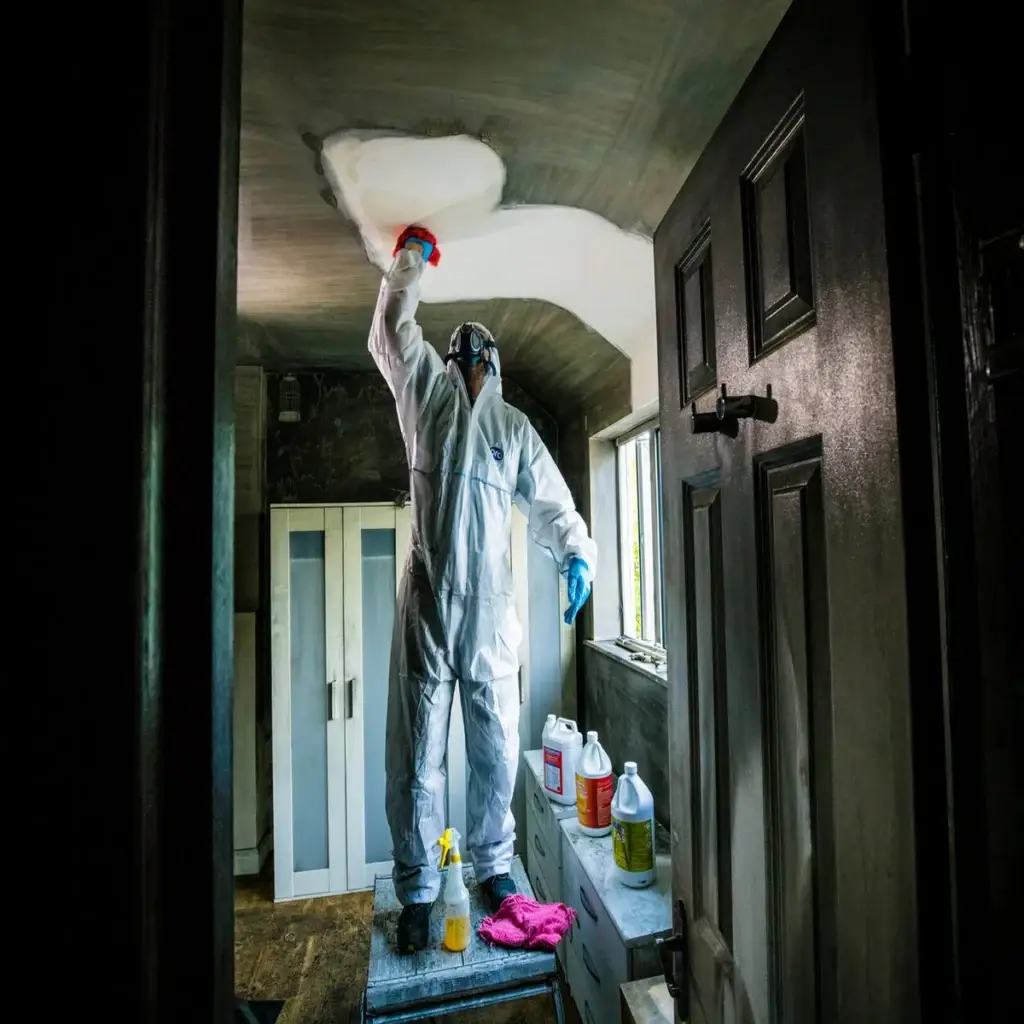
How professional mould removal can help
Summary
FAQs
Awaab’s Law is a crucial piece of legislation that was introduced as part of the Social Housing (Regulation) Act 2023. At its core, it’s designed to enforce stricter deadlines for landlords to inspect and fix reported issues of damp and mould in their properties. It’s a game-changer for tenants, giving them a legal safety net and the power to demand a safe, healthy home.
Before this law, tenants could face long and frustrating delays. Now, landlords—including both social housing and private landlords—are legally required to act fast.
For landlords, Awaab’s Law is a clear message: inaction is no longer an option.
For tenants, this law is empowering. It gives you the legal backing you need to demand better living conditions.
To ensure Awaab’s Law remains effective, the UK government introduced an important update in late 2024. These changes further strengthen the protections for tenants and increase the pressure on landlords to comply.
Here are some of the key updates:
While Awaab’s Law addresses the legal side of things, it’s important to remember why this legislation is so vital: the serious health risks of mould.
Here are some shocking statistics from Public Health England and other sources:
Beyond respiratory issues like asthma, mould exposure can also lead to:
Vulnerable people, such as the elderly, young children, and those with allergies or compromised immune systems, are most at risk.
For landlords, understanding the cause of the problem is key to a permanent fix. For tenants, knowing what to look for can help you identify an issue before it gets out of hand.
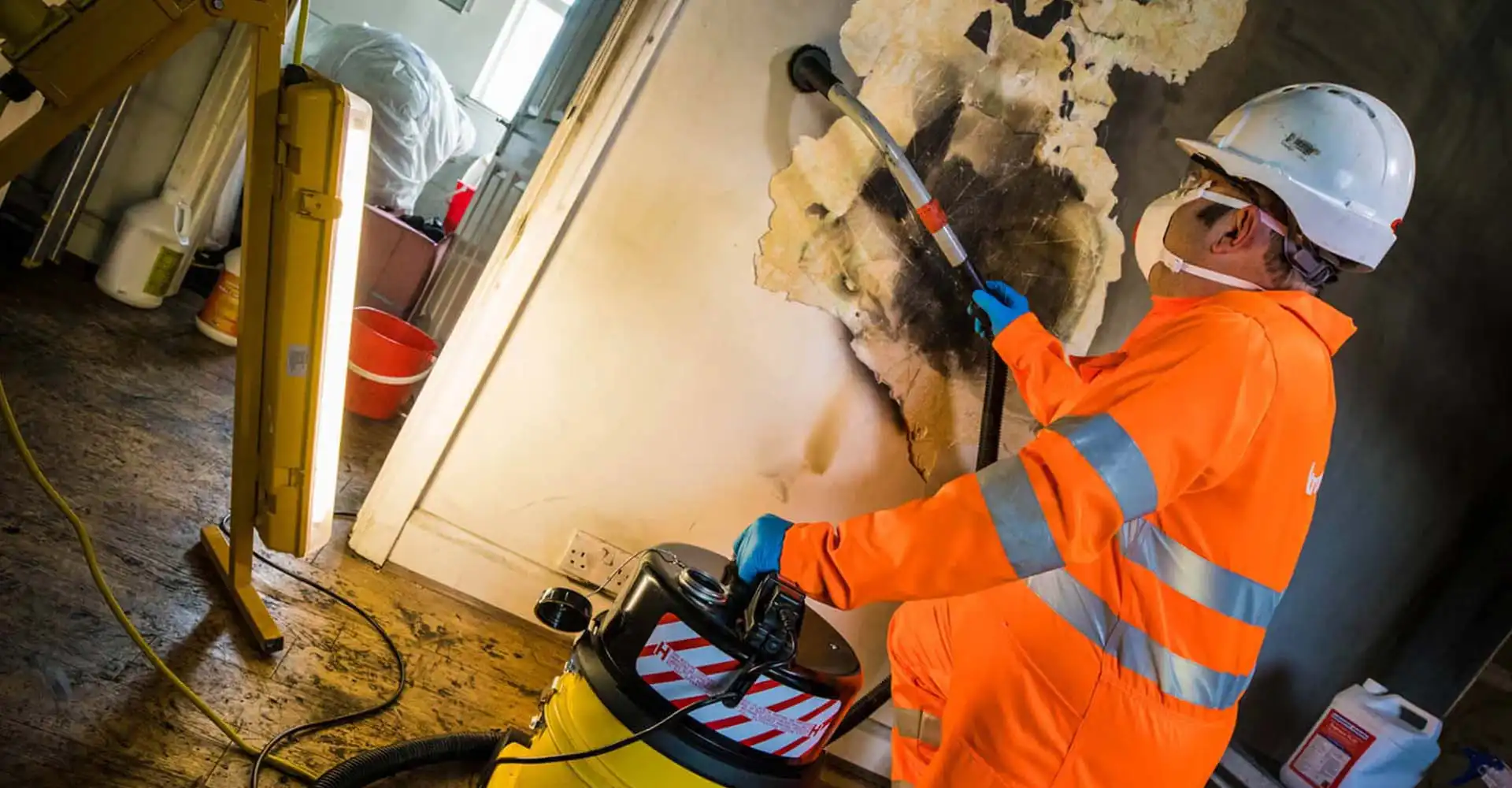
Whether you’re a landlord needing to meet your legal obligations or a tenant seeking a solution to an ongoing mould issue, professional help is the fastest and most effective way to solve the problem.
A professional mould remediation service goes far beyond just cleaning the surface. It involves a deep understanding of how to find the root cause, remove mould completely, and prevent it from returning.
You can read a couple of examples of mould removal in action via these two case studies. The first is how Ideal Response permanently removed black mould from within a church. The other being a mould mite infestation within a Kent property.
Awaab’s Law is a significant turning point for housing standards in the UK. It protects tenants from the harmful effects of mould while holding landlords to account like never before. But legal compliance isn’t the whole answer. Proactive prevention and professional remediation are essential to maintaining safe, healthy homes.
If you are a tenant or a landlord and need support tackling damp and mould in your property, don’t wait. A professional, guaranteed solution can give you peace of mind and ensure a safe, healthy living environment.

Chris Hedges is Head of Marketing at Ideal Response and the author of every article published on this site. With over 25 years of senior marketing experience across property, legal, and professional services sectors, Chris brings a clear, evidence-led approach to writing about fire damage, flood restoration, and specialist property remediation. His philosophy is simple: cut through the noise, respect the reader's time, and give people the information they actually need.
Explore more articles about damage restoration, specialist cleaning and what we do
If you’re dealing with fire damage, flooding, or an environmental incident, our team is ready to respond. No matter if you have a question or have an emergency that you need help with, call:
If you’d prefer to drop us a message, use our main contact form and upload any pictures of the incident. Would you like us to call you? Fill out the short ‘Request a call back’ form.