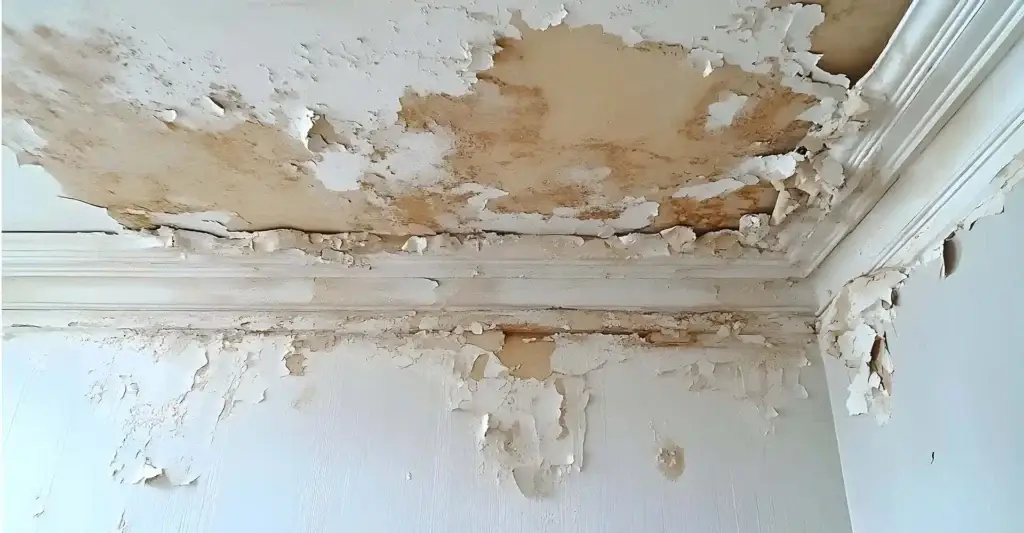
Mould in the home is more than just an eyesore; it’s dangerous. In fact, it’s so dangerous that the UK government defines it as a ‘Category 1’ hazard, meaning it poses an immediate health risk and requires urgent removal. There are different types of mould, each with its own characteristics and risk factors.
In this article, we’re going to cover how many types of mould there are and some of the characteristics and treatment methods.
Skip to:
How many types of mould are there?
How many types of mould are there?
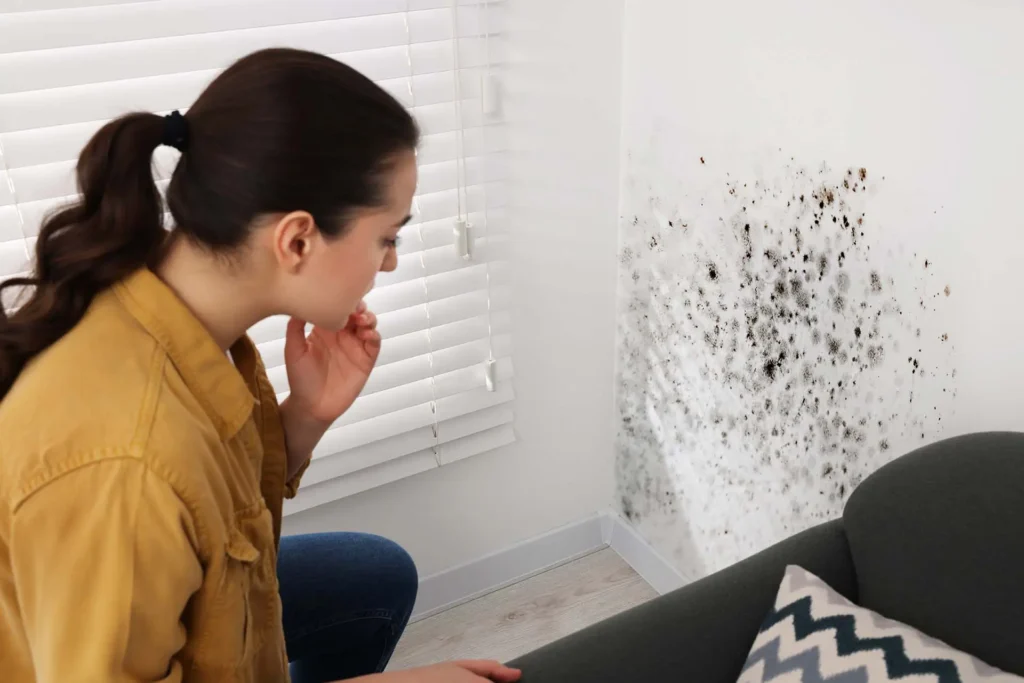
There are more than 100,000 different types of mould, some of which are extremely harmful and some of which are almost completely benign. However, when it comes to how many types of mould there are in the home, the number is much smaller.
Some of the most common include green mould, blue mould, white mould, yellow mould, pink mould and the infamous black mould. Without removal, these moulds can lead to a range of health concerns from skin conditions to aspergillosis. For more information, read our guide on what is mould?
Green mould
Green mould will appear as green growths with a fluffy texture. It will usually be either Cladosporium, Aspergillus or Penicillium mould and is commonly found in damp areas with poor air circulation as well as on food.
Long-term exposure can cause allergic reactions, skin conditions or respiratory problems. It’s possible to treat smaller areas with DIY methods such as white vinegar or bleach, but it’s likely to return unless the root causes are addressed. Get more information about mould removal in our ‘how to remove mould’ guide.
Blue mould
Blue mould is usually representative of the Penicillium genus of moulds, and is the same mould found in blue cheeses and that grows on stale bread. Like other moulds, it can grow on walls and surfaces where there is high humidity and poor circulation and poses a health hazard over long periods.
However, blue mould also has a range of practical uses and is deliberately cultivated in some cases. It’s commonly used in food flavourings and in penicillin production.
White mould
Like other, different types of mould, white mould is also usually from either the Aspergillus, Penicillium or Cladosporium families. It has a fluffy, fibrous texture and feeds on cellulose found in building materials such as wood, paper, plaster, fabrics and insulation.
White mould can lead to a range of health conditions including allergic reactions, rashes and breathing problems. Similar techniques can be used to remove small patches, including white vinegar and bleach, but larger or persistent growths will require professional mould treatment.
Yellow mould
Yellow mould is a symptom of damp conditions and can grow in humid or unventilated areas of the home. It is usually one of a range of mould types including Aspergillus, Cladosporium, Mucor and Epicoccum nigrum.
It often grows on wood, as well as other indoor surfaces and can be indicative of leaking plumbing. DIY treatment is possible in some cases, but effective removal often requires professional knowledge and tools.
Pink mould
This mould isn’t actually mould at all; it’s bacteria. ‘Pink mould’ is the common name for an airborne bacteria called Serratia marcescens. It’s largely harmless to healthy people but can cause infections in eyes or open wounds and should be removed as quickly as possible.
Like mould, it grows in damp conditions, but is particularly common in bathrooms around toiletry products, feeding on soap residue. Regular cleaning and effective ventilation are the best prevention strategies.
Black mould
This is the household mould you’re probably most familiar with. Sometimes known as ‘toxic mould’, black mould grows in areas where the temperature is relatively low and the humidity is high. It can be found in kitchens, bathrooms, behind furniture and other places where there is poor ventilation and excess moisture.
It appears as collections of black spots and can lead to a range of health conditions, from allergic reactions to pneumonia.
How do you reduce black mould?
Black mould thrives when humidity is too high for long periods of time, so the best method of prevention is effective ventilation. Increasing the temperature to drive out condensation can also help. You can find more information and tips in our guide on how to remove black mould.
Large or persistent black mould problems will require professional remediation and removal to effectively identify the root cause and prevent regrowth.
Why professional remediation is the most successful
To learn more about professional remediation and why it’s the most reliable course of action for a long-term mould free home, visit our Mould Remediation & Structural Drying case study.
What are the different types of mould?
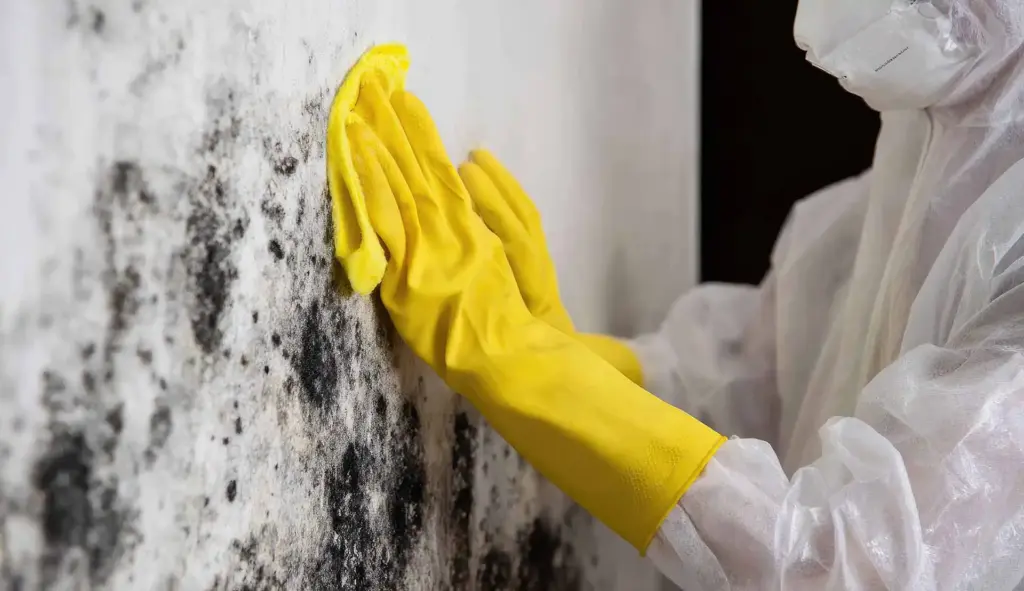
There are different ways to answer the question ‘how many types of mould are there?’. We’ve addressed some of the most common household names, but you can also break them down based on the type of harm they can cause.
Allergenic moulds
Allergenic moulds are those associated with triggering an allergic reaction, such as sneezing, coughing or sore eyes, and are not usually toxic. These moulds include a range of fungi such as Aspergillus, Alternaria, Cladosporium and Penicillium (green, blue, white and yellow mould). These moulds are usually associated with damp, and the first prevention step is to improve ventilation.
Pathogenic moulds
These moulds are those that can lead to infections or illnesses. They are most dangerous to people with weakened immune systems but can infect healthy people too and can sometimes produce toxins. Pathogenic moulds tend to be found in decaying organic matter or poorly maintained water systems. Different types include Aspergillus fumigatus, Cryptococcus neoformans, Histoplasma capsulatum and Lomentospora prolificans.
Toxic moulds
Toxic moulds, such as black mould, release toxins that affect the body in a range of ways. Not only can they cause allergic reactions, but they can also lead to respiratory problems, headaches, brain fog and long-term fatigue. Toxic moulds are often best treated by a professional for safety reasons and to ensure a permanent solution.
Professional mould removal with Ideal Response
In minor or sporadic cases, many different types of mould can be treated with DIY methods and general improvements to home ventilation. But if problems persist, don’t hesitate to contact the professionals at Ideal Response for expert mould removal services.
Long-term exposure to mould of any kind is hazardous to health. Our teams can quickly identify the source of the issue, remedy it, remove existing growths, clean the affected areas and keep your property mould free long-term.
We are the UK’s leading expert in damage restoration services, from mould removal to water damage repairs, leak detection, damp surveys and more.
Request a free mould removal and cleaning quote now by calling 0800 088 4170 or filling out our contact form.
Call our emergency response team 0800 088 4170
Types of mould FAQs
Are different colours of mould (black, green, white) different species?
Yes, the visible colour of mould often corresponds to a different genus or species of fungus. For instance, Stachybotrys is typically black/dark green, Penicillium often appears blue or green, and Aspergillus can present in various colours, including white, yellow, or black. However, colour alone is not enough to identify a species, as a mould’s colour can also be influenced by its food source and age.
What are the three main types of mould found in UK properties?
The three most frequently encountered genera of mould in residential and commercial UK properties are:
Cladosporium: Often found on painted surfaces, fabric, and wood, appearing black or olive-green.
Aspergillus: One of the most common types globally, found indoors on food, building materials, and dust.
Penicillium: Often seen on water-damaged materials, insulation, and carpeting, appearing blue or green.
What is the difference between 'black mould' and 'toxic mould'?
Black mould usually refers to Stachybotrys chartarum, which is known for its dark, slimy appearance. While Stachybotrys produces mycotoxins and is classified as a significant health risk, many other mould types (including some Aspergillus and Penicillium species) also produce mycotoxins and are therefore technically ‘toxic.’ It is a misconception that only black mould is dangerous—any mould should be treated as a health hazard.
If I find white or fluffy mould, is it less harmful than black mould?
Not necessarily. White or fluffy mould is often a young colony, sometimes referred to as efflorescence (a mineral deposit) or a type of mould like Ascospores. Regardless of its colour or texture, any active mould growth indicates a moisture problem and can pose health risks. White mould can sometimes be harder to spot on walls and is just as important to remediate as darker varieties.
How does the type of mould affect the cleaning or remediation process?
The type of mould determines the risk level, but the fundamental remediation process remains the same:
Identify and fix the moisture source.
Containment and air filtration (using HEPA systems).
Safe physical removal of all contaminated materials (especially porous items).
Structural drying and cleaning.
Professionals, like those certified by the IICRC, use testing to confirm the species only if required for medical or legal reasons, focusing primarily on eradicating the contamination completely, regardless of the species.

Chris Hedges - Head of Marketing
With over 25 years' experience, Chris is adept at defining and driving strategy, while also enjoying hands-on operational delivery. He believes in an equal blend of creativity and analytical scrutiny, always finding inventive ways to achieve objectives, underpinned by evidence. Chris’s philosophies are simple: don't overcomplicate, always prioritise customer experience, and bend the rules just enough to cut through the noise and drive momentum and growth.