Finding patches of black mould in your home isn’t just an ugly cosmetic issue, it’s a clear warning sign. It tells you there’s a hidden moisture problem lurking beneath the surface that could be compromising both your health and your property’s structure.
This comprehensive guide is designed to empower you, the UK homeowner. We’re going to walk you through the significant dangers of mould, provide you with a safe, step-by-step method for how to remove black mould on a small scale, and, most importantly, help you pinpoint the critical moment when you absolutely need to call in professional black mould removal specialists for your family’s safety. To learn more about how mould removal is carried out visit our mould removal page.
Skip to:
How to clean small amounts of black mould
Is black mould dangerous? The risks to your home and health
Mould is simply a microscopic fungus that loves damp, humid environments. When it finds a home, it releases tiny spores (and sometimes mycotoxins) into the air you breathe. The patch you see is only the surface, its roots penetrate deep into porous materials, making it a persistent and silent threat.
It’s crucial to understand that the NHS classifies mould as a Category 1 health risk. That’s because exposure carries significant potential harm:
- Respiratory Problems: Exposure can trigger or worsen serious conditions like asthma attacks, cause chronic coughing, or lead to wheezing and shortness of breath. This risk is highest for vulnerable individuals, including children, the elderly, and those with weakened immune systems.
- Allergic Reactions: You might notice symptoms that feel like persistent hay fever, such as sneezing, a runny nose, red eyes, and unexplained skin rashes.
- Long-Term Property Damage: Mould is hungry for organic materials. If you leave it alone, it can actively feed on and degrade plaster, drywall, wallpaper, and even the timber frames of your home. This leads to costly, complex structural repairs down the line.
It’s a common and dangerous misconception that only the notorious “toxic black mould” is hazardous. Any mould in your property has the potential to cause health problems. Since you can’t identify the species just by looking at it, treat any visible mould as a potential health risk and address it with caution.
How do you clean small amounts of black mould safely?
It’s important to be realistic, DIY cleaning is only suitable for small, surface patches of mould. Less than one metre squared. When dealing with these minor spots, your main goal is safety and containment.
Step-by-step DIY cleaning guide
- Safety First (PPE): Start by opening windows to ensure the room is well-ventilated. You must put on Personal Protective Equipment (PPE): non-porous gloves, safety goggles, and a fitted N95 or FFP2-rated face mask to avoid inhaling dangerous spores.
- Choose Your Solution: For effective cleaning that can kill the roots on semi-porous surfaces, white vinegar is often the superior choice over household bleach. Bleach only removes the colour, and the water content can sometimes penetrate and actually feed the mould’s roots, causing it to return faster.
- White Vinegar Solution: Mix equal parts white vinegar and water in a spray bottle.
- Apply and Wait: Spray the solution directly onto the black mould on walls or other surfaces. Do not scrub dry mould because you will release spores. Let the solution sit for at least one hour so it can penetrate and kill the mould.
- Wipe Clean: Use a dedicated disposable cloth or sponge to gently wipe the area clean.
- Dry Thoroughly: This is critical! Use fans or a dehumidifier to ensure the area is dried completely. Any residual moisture is an open invitation for mould to regrow immediately.
Never try to paint over mould. It’s a temporary camouflage; the mould will simply continue to grow underneath the paint layer until it breaks through.
Don’t take a risk: When to call a professional
If you identify any of the following signs, the problem is too complex for DIY cleaning. At this stage, you need the expertise and equipment of professional black mould removal specialists:
- Large Area: The mould patch exceeds one metre squared (roughly the size of an average kitchen cupboard door).
- Recurring Growth: The mould keeps reappearing in the same spot, which tells you that the root moisture problem hasn’t been fixed.
- Musty Odour: You notice a strong, persistent musty smell, but you can’t see the mould. This indicates extensive, hidden growth behind walls or ceilings.
- Structural Cause: The mould stems from a major water event like flooding, a known plumbing disaster, or suspected structural issues like rising or penetrating damp.
- Porous Materials: The mould is deep within materials that can’t be simply wiped clean, such as carpet, drywall, wood frames, or insulation.
The professional black mould removal process
Professional remediation is a guaranteed, permanent solution that goes far beyond simple surface cleaning. Specialists follow a strict procedure to ensure your home is safe and mould-free for good.
- Survey and Inspection: They start with a comprehensive damp survey. Experts use diagnostic tools like thermal imaging cameras and moisture meters to find the exact, often hidden, source of moisture, whether it’s high condensation or a hidden leak.
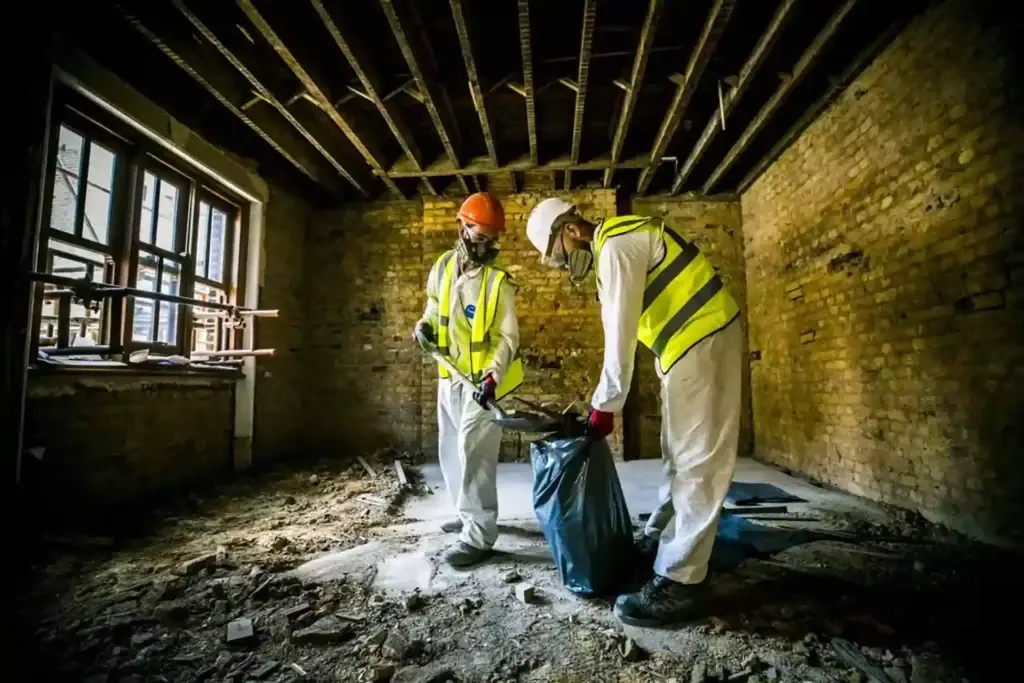
- Containment: The affected space is immediately sealed off using containment barriers and negative air pressure. This is a crucial step that stops dangerous mould spores from spreading into clean areas of your home during the removal process.
- Removal and Cleaning: Professionals safely remove all contaminated materials. The remaining structure is treated using powerful, non-toxic biocides and advanced cleaning techniques (such as HEPA vacuums) that eliminate the mould and its roots completely.
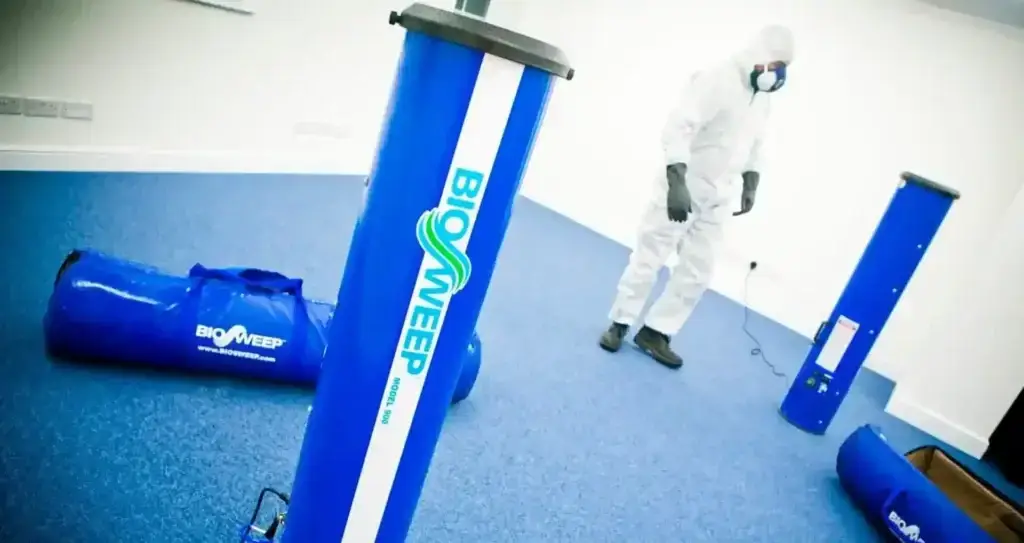
- Drying and Prevention: Industrial drying and dehumidification equipment is used to bring the moisture levels in the property back to healthy limits. The final step is implementing long-term prevention measures based on the initial survey to stop the recurrence cycle entirely.
Ideal Response have over 20 years delivering urgent black mould removal services to UK homeowners. During our time in operation we have gained a wealth of knowledge when it comes to mould removal and ensuring long-lasting results. Professional support and experience is priceless when it comes to black mould removal because experts understand how to compeltely eradicate the mould at the root and revent quick regrowth.
Conclusion: Protect your health and property
The ultimate takeaway is that you should treat mould as the serious health risk it is. While you can manage tiny patches yourself with care, any recurrent or widespread black mould removal issue requires an expert diagnosis and professional remediation.
If you are facing a problem that keeps returning, or if you suspect hidden growth, don’t hesitate to act. Contact a specialist immediately for a professional damp survey and the long-term solution you need to keep your family and your property safe.
Need to speak to a specialist urgently? Call 0800 088 4170
How to remove black mould: FAQs
Is it safe to sleep in a room with black mould?
No. Prolonged exposure to mould spores, especially while sleeping, can severely affect respiratory health. If the mould is widespread or you are vulnerable (children, elderly), vacate the room immediately until the mould is professionally addressed.
Is only black mould dangerous, or are other colours harmful?
It’s a myth that only black mould is dangerous. All indoor mould has the potential to trigger allergic reactions, asthma attacks, and respiratory issues. Treat any visible mould as a potential health hazard regardless of its colour.
Does bleach actually kill mould, or should I use vinegar?
Bleach is not recommended. It removes the surface colour but often fails to kill the mould’s roots, especially on porous materials like drywall, and the water content can feed regrowth. White vinegar is a superior, safer DIY alternative for small, non-porous areas.
Is black mould dangerous?
Yes, black mould releases toxins and should always be handled by professionals due to health risks. NHS guidance links prolonged black mould exposure to worsened asthma and chronic respiratory problems, making professional intervention a must for vulnerable groups such as children and the elderly.
Can I just paint over the black mould on walls?
No. Painting over mould is highly discouraged. It simply hides the problem, allowing the mould to continue growing and feeding beneath the paint layer until it inevitably breaks through, often spreading further.
How do I stop mould from coming back permanently?
To stop mould permanently, you must address the root moisture source. This involves improving ventilation (using extractor fans), lowering humidity (using a dehumidifier), and fixing any structural issues like hidden plumbing leaks or penetrating damp.
How much does professional black mould removal cost in the UK?
The cost varies significantly based on the severity, size, and location of the problem (e.g., hidden vs. surface). A reputable company will provide an accurate quote and a solution plan only after conducting a professional damp survey to diagnose the root cause.

Tahlia Ibrahim - Delivery Manager
Tahlia has over four and a half years of in-depth experience across various facets of the disaster recovery industry. Having progressed through roles in marketing and sales to her current position, Tahlia possesses a comprehensive understanding of the entire business operation, from initial client contact to meticulous service delivery. A certified BioSweep Specialist, she excels in advanced odour elimination techniques, ensuring thorough restoration.