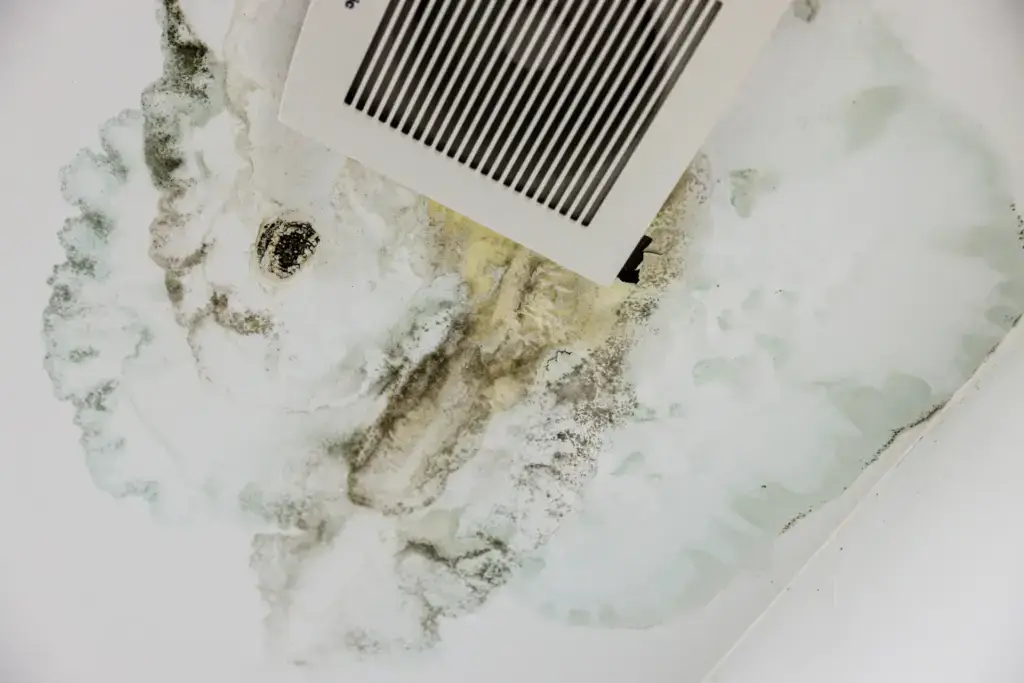
Finding fungal growth in your home can be a stressful experience. Whether it’s a small patch in the bathroom grout or spreading across a bedroom wall, the question of how to remove mould effectively is one of the most common concerns for UK property owners. Do you opt for DIY cleaning or spend a bit more for professional mould remediation? This blog will help you decide the best course of action for you.
While it is possible to clean minor surface growth yourself, it is crucial to understand the distinction between temporary cleaning and permanent remediation. This guide explores the safest methods for tackling small amounts of mould and explains why professional intervention is often the only way to ensure your home remains healthy and compliant with UK standards like Awaab’s Law.
Skip to:
Why professional remediation is the answer
What is mould?
Mould is a type of fungus that thrives in damp, poorly ventilated environments. It reproduces by releasing microscopic spores into the air, which can cause significant respiratory issues and allergic reactions. Before you begin the removal process, it is helpful to understand what mould is and why it grows in UK homes to prevent future outbreaks.
How do you safely remove mould yourself?
If you are dealing with a small area (less than 1 square metre) on a non-porous surface, you may choose to attempt a DIY clean. However, you must follow strict safety protocols to avoid spreading spores.
1. Prioritise Safety and PPE
Never attempt to remove mould without protection. Disturbing the growth sends spores airborne. You should wear:
-
An N95 or P100 respirator mask.
-
Safety goggles and rubber gloves.
-
Ensure the room is ventilated to the outside but sealed off from the rest of the house.
2. Choose the Right Cleaning Agent
Avoid using bleach alone; while it removes the colour, it often fails to kill the roots on porous surfaces. Instead, consider:
-
White Vinegar: A mild acid that kills the majority of common mould species.
-
Professional Antimicrobial Sprays: Specifically designed to degrade fungal structures.
3. The Cleaning Process
Wipe the mould away gently using a damp cloth rather than scrubbing vigorously, which can disperse spores. Once cleaned, the area must be dried completely using a dehumidifier or heater. For more detailed safety steps, refer to our guide on black mould DIY removal.
Why do DIY methods often fail?
The biggest mistake homeowners make when learning how to remove mould is treating it as a surface stain. Mould is a biological contaminant that often penetrates deep into building materials.
-
Porous Materials: If mould has reached your insulation, plasterboard, or subflooring, surface cleaning will not work. These materials often require professional mould remediation to be safely removed and replaced.
-
The Hidden Source: Mould is always a symptom of a moisture problem. Whether it’s a hidden leak or structural condensation, if you don’t fix the source, the mould will return within days.
-
Airborne Spores: Cleaning a wall does not remove the millions of spores lingering in your carpets, upholstery, and air.
Landlords take not: The DIY liability gap
Under Awaab’s Law, landlords in the UK have a legal obligation to provide a safe, mould-free environment. Simply painting over mould or hiring a handyman for a “quick scrub” does not meet the legal requirement for decontamination. If airborne spores remain and affect a tenant’s health, the landlord remains liable. Professional remediation is the only way to secure an audit trail of safety. Learn more about Awaab’s Law here.
Why is professional mould remediation the best solution?
For a result that is truly permanent and safe, hiring a professional mould removal service provider is the only reliable option. Professionals do not just “clean”; they follow the IICRC S520 global standard for fungal remediation.
Comprehensive Moisture Mapping
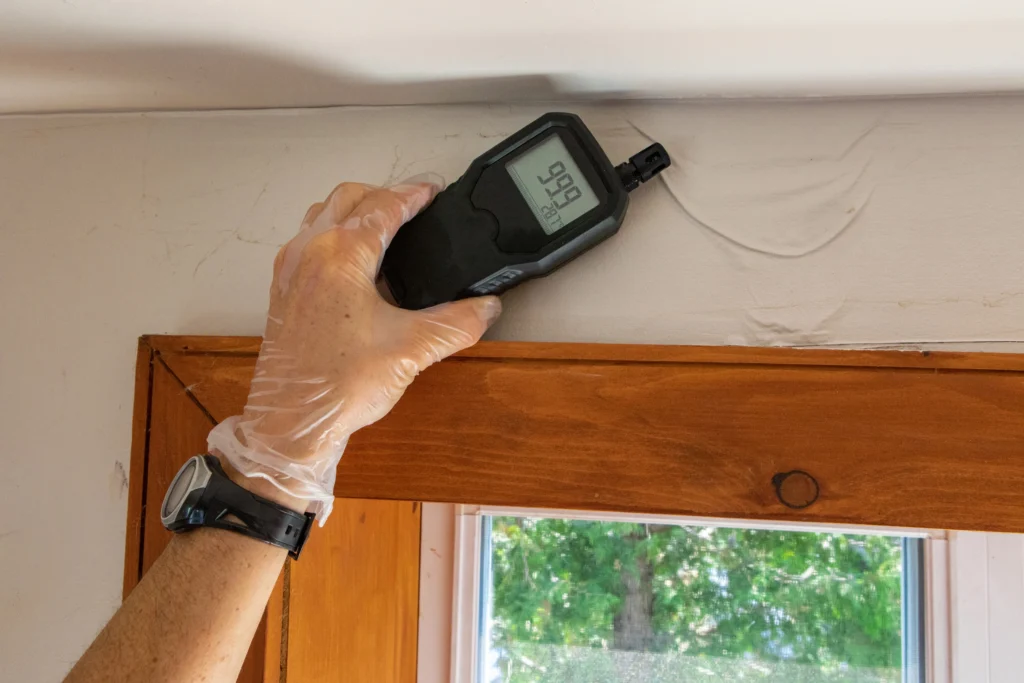
Specialists use thermal imaging and moisture meters to find exactly where the water is coming from, addressing the causes of mould on walls before they even begin cleaning.
HEPA Air Scrubbing
During a professional service, industrial-grade HEPA filters “wash” the air in your home, capturing the invisible spores that DIY cleaning leaves behind. This is a critical step in ensuring the environment is biologically safe.
A success story
To learn more about what professional mould remediation looks like, visit our Mould Remediation & Structural Drying case study to see the process from start to completion.
What does professional mould removal cost?
While DIY cleaning is cheap, it often leads to recurring costs and property damage. Investing in a specialist ensures the job is done once. The cost of professional mould cleaning in the UK depends on the extent of the damage and the type of property, but it provides a “Condition 1” (safe) environment that DIY methods simply cannot match.
Final thoughts: Clean for now, remediate for good
Learning how to remove mould is an important skill for minor maintenance, but it should never replace a professional assessment for significant or recurring issues. By choosing expert mould remediation, you are protecting both your property’s value and the health of its occupants.
Ideal Response provides 24/7 expert support across London, Kent, and the wider South East, including Maidstone and Canterbury. We ensure your property is not just clean, but fully decontaminated and safe for habitation.
Is your mould problem returning or spreading? Don’t settle for a temporary fix. Contact Ideal Response today for a professional assessment and a permanent, certified mould removal solution.
Speak to an expert now, on 0800 088 4170
How to remove mould FAQs
How do you remove mould permanently?
To remove mould permanently, you must first identify and resolve the underlying moisture source, such as a leak or condensation issue. While surface cleaning with antimicrobial agents can remove visible growth, professional remediation—using industrial HEPA air filtration and moisture mapping—is the only way to ensure spores are eradicated from the air and structural materials.
Does bleach kill mould?
Bleach is generally ineffective for removing mould on porous surfaces like plasterboard or wood. While it removes the stain, the water in bleach can actually feed the fungal roots (hyphae) deeper into the material. For permanent removal, professional-grade biocides or acidic solutions like white vinegar are preferred over bleach.
How much does professional mould removal cost in the UK?
The cost of professional mould cleaning in the UK typically starts from a few hundred pounds for minor decontamination. However, if structural drying or removal of contaminated materials is required, costs will increase. A specialist survey is required to provide an accurate estimate based on the extent of the damage.
What is the best way to remove mould from walls?
The best way to remove mould from walls is to dampen the area to prevent spore dispersal, wipe with a professional-grade antimicrobial solution, and then thoroughly dry the surface. If the mould has penetrated the plasterboard, the material must be professionally removed and replaced, as surface cleaning will not prevent regrowth.
Is it safe to live in a house with mould?
Living in a house with mould is not recommended, especially for children, the elderly, or those with pre-existing respiratory conditions like asthma. Mould releases mycotoxins and spores that can cause “sick building syndrome,” leading to symptoms such as chronic coughing, fatigue, skin rashes, and respiratory infections. If the mould is widespread, professional air quality testing and remediation are essential to restore a safe living environment.
Do dehumidifiers remove mould?
No, dehumidifiers do not remove mould; they only help prevent its growth by reducing the relative humidity in the air. While a dehumidifier is a vital tool for maintenance after how to remove mould has been addressed, it cannot kill or eradicate existing fungal colonies. Existing mould must be physically removed through professional remediation before a dehumidifier can be used to maintain a healthy environment.

Tahlia Ibrahim - Delivery Manager
Tahlia has over four and a half years of in-depth experience across various facets of the disaster recovery industry. Having progressed through roles in marketing and sales to her current position, Tahlia possesses a comprehensive understanding of the entire business operation, from initial client contact to meticulous service delivery. A certified BioSweep Specialist, she excels in advanced odour elimination techniques, ensuring thorough restoration.