Available 24/7 | 0800 088 4170

Available 24/7 | 0800 088 4170
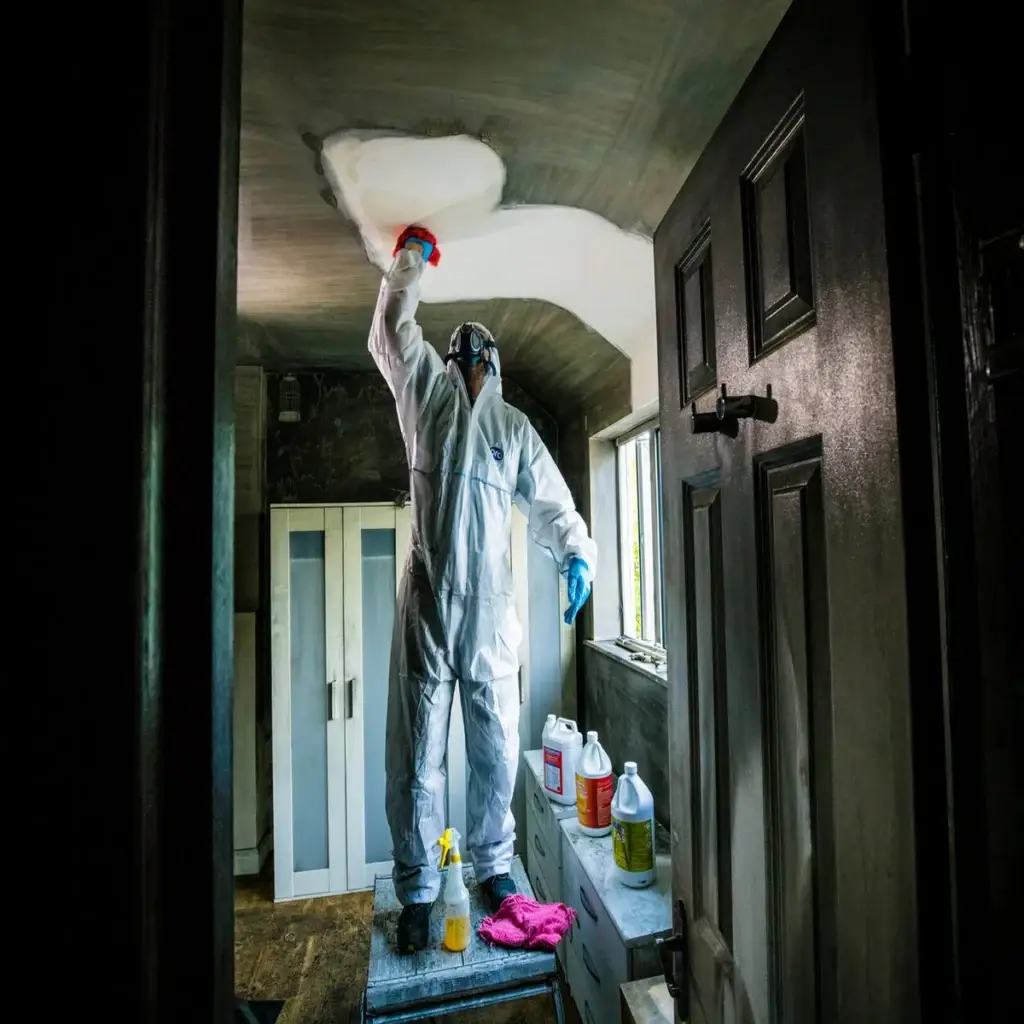
We’ve all seen it, a small patch of mould creeping along a wall or ceiling. A quick scrub and a spray of bleach might make it disappear, but a few weeks later, it’s back. At Ideal Response, we see this every week across homes and businesses in the UK. The problem isn’t the cleaning product, it’s the approach. Mould isn’t just on the surface; it’s a living organism that spreads invisibly through spores. That’s where professional mould remediation comes in. It’s not a quick clean; it’s a structured, scientific process that identifies the source, removes contamination safely, and prevents regrowth.
Skip to:
The UK’s growing mould problem
What is Awaab’s Law?
What professional mould remediation actually means
Mould removal vs mould remediation: What’s the difference?
Why experience makes the difference
The risks of DIY mould cleaning
The health impact of mould exposure
When to call the professionals
Preventing mould after remediation
Conclusion: Real safety comes from real expertise
FAQs
In the UK, mould and damp are now recognised as major public health issues, not just property concerns. According to the National Housing Federation, around 1 – 2% of social homes suffer from serious damp and mould problems, while another 3 – 4% have notable issues. That’s more than 200,000 homes nationwide affected by mould-related hazards every year.
These problems have become so widespread that they’ve led to new legislation: Awaab’s Law , designed to protect residents from unsafe living conditions caused by damp and mould.
In 2020, two-year-old Awaab Ishak tragically died due to prolonged exposure to mould in his family’s flat in Rochdale. His death prompted a national outcry and the introduction of Awaab’s Law, part of the Social Housing (Regulation) Act 2023.
From October 2025, social landlords across England will be legally required to:
By 2027, the law will expand to cover all major health hazards under the Housing Health and Safety Rating System (HHSRS).
Simply put, landlords can no longer delay action on mould; it’s now a legal duty, not just a maintenance issue.
For property owners and landlords, this shift means that professional mould remediation isn’t just best practice, it’s becoming a matter of legal compliance.
Learn more about Awaab’s Law in these two more detailed articles, ‘AWAAB’s Law: Understanding new social housing regulations‘ and ‘Awaab’s Law: What it means for tenants and landlords in the UK‘.
Professional mould remediation is a scientific and structured process, not a quick cleaning job. It involves:
At Ideal Response, our technicians follow strict standards for Professional Mould Remediation and UK HSE guidance, ensuring every job is safe, traceable, and compliant.
At first glance mould removal and mould remediation might sound interchangeable, but they’re very different in practice.
Mould removal focuses on cleaning what’s visible. It might make a wall look better temporarily, but it doesn’t stop the problem returning.
DIY mould removal often involves:
While that might mask the issue, it doesn’t address why the mould appeared in the first place, leaving the root cause untreated.
Mould remediation is a full process designed to eliminate the source of mould and restore healthy living conditions. It combines:
It’s important to understand that mould is a symptom of a deeper underlying moisture issue. Failure to accurately identify the cause of this moisture issue means you’re unlikely to solve it. Without the moisture issue being solved, the mould will continue to invade your property and effect your health.
A professional damp survey ensures you have the most accurate picture and recommendations on how to fully solve your damp issues and ensure a long-term mould-free property.
In a nutshell, mould removal cleans what you see and mould remediation stops it from coming back.
We’ve worked on thousands of properties across the UK, from listed buildings to large commercial complexes, and the same lesson applies: experience matters.
In East Sussex, a landlord managing a six-bedroom HMO property contacted us about persistent mould issues in three ground-floor bedrooms. Despite the property being fully refurbished, black mould growth was affecting the ensuite bedrooms, posing risks to tenant health. Once the moisture source was fixed and the area professionally remediated, the mould never came back. Read the full mould remediation case study .
That’s the difference between cleaning and true remediation, one treats symptoms, the other cures the cause.
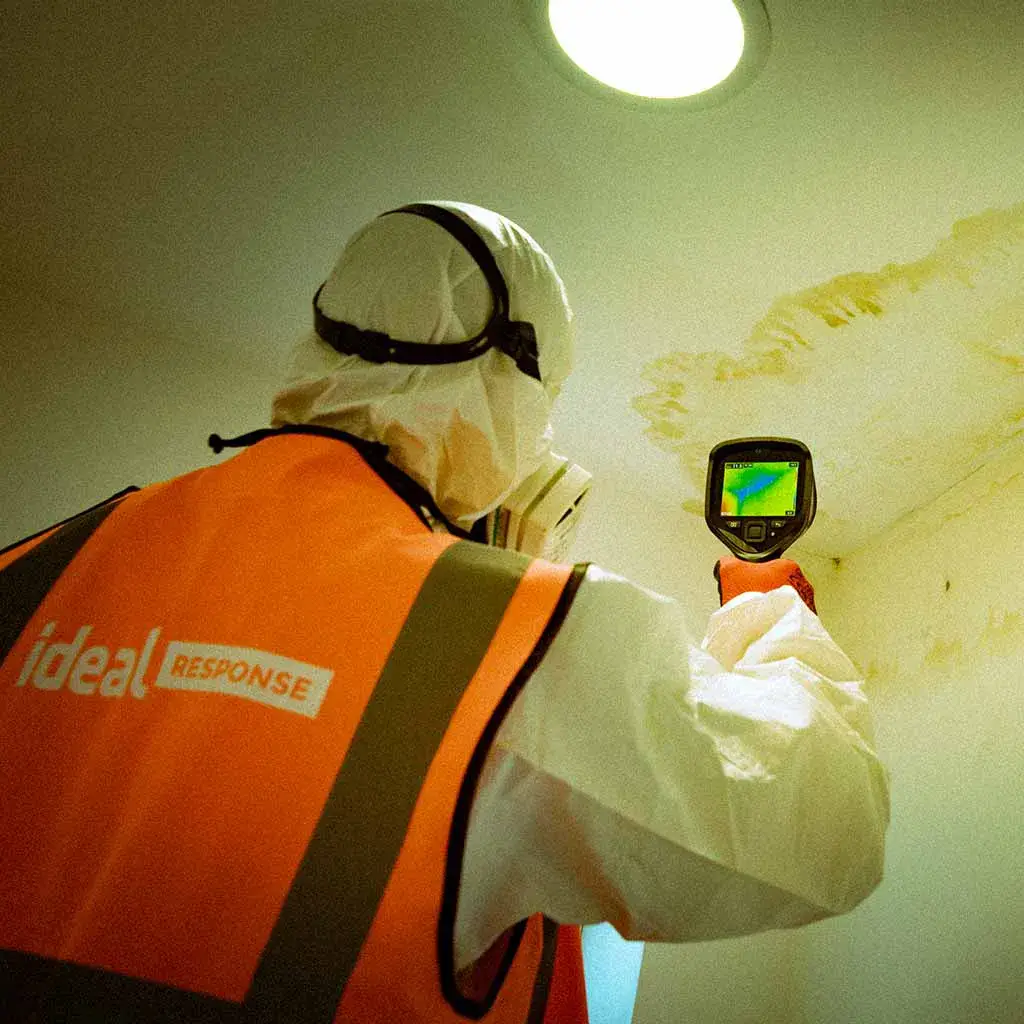
DIY mould solutions can make things worse. Scrubbing or spraying mould without proper containment releases spores into the air, spreading them to other areas of the property.
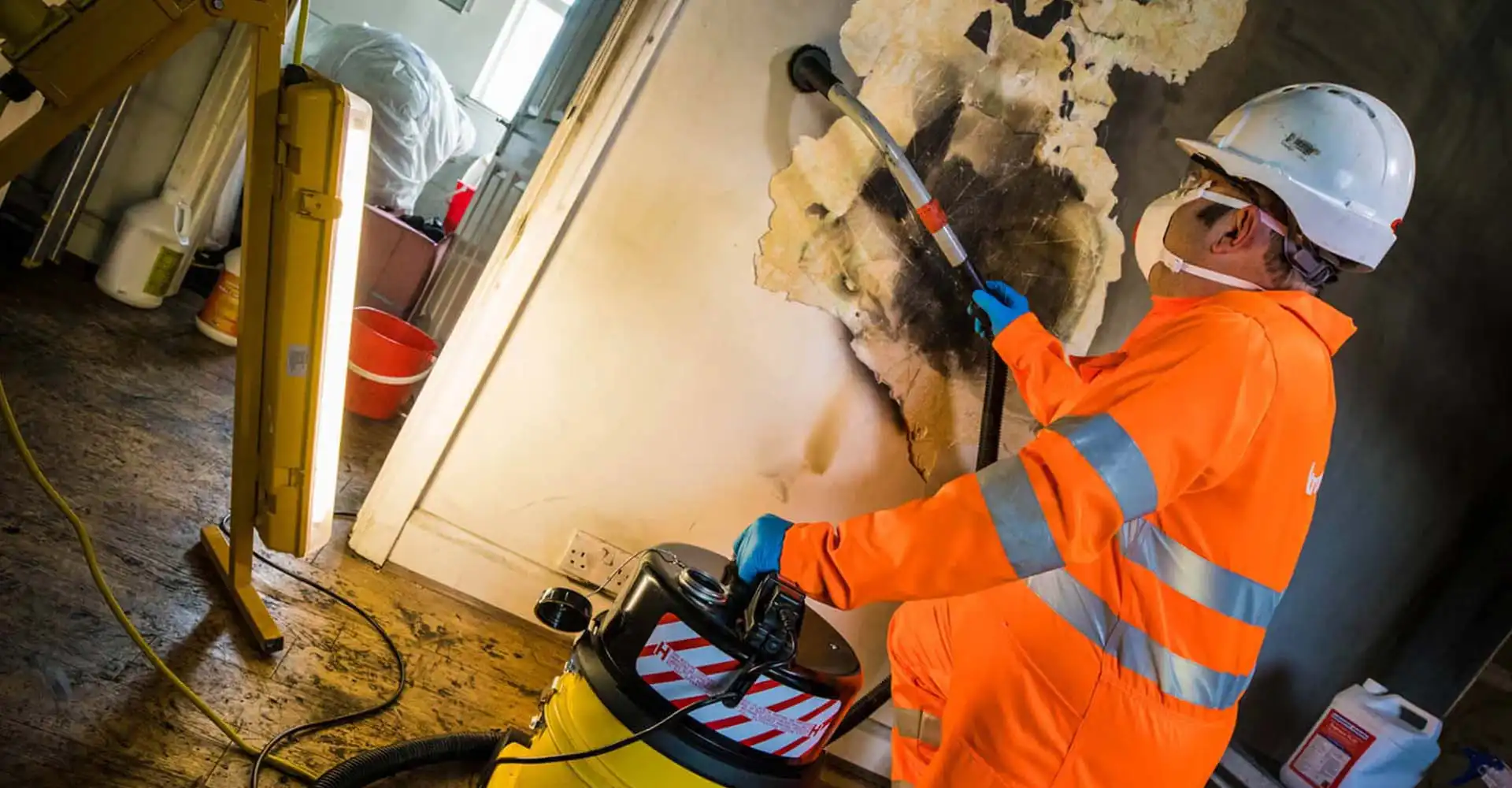
Professional teams, on the other hand, use:
Without this level of control, DIY attempts often lead to mould spreading and not disappearing.
Mould exposure can cause coughing, wheezing, sinus issues, and even fatigue. For vulnerable people, children, the elderly, or those with asthma, mould can be a serious health risk.
Awaab’s Law itself was introduced because of these dangers. The government now classifies damp and mould as a category 1 hazard under UK housing law. This means it poses a severe risk to human health.
To understand the health risks of mould in more detail, read ‘ UK Homeowners guide to mould identification, health risks & removal ‘.

You should contact a professional mould remediation specialist if:
Under Awaab’s Law, landlords now have strict deadlines to act, but private homeowners should also take mould as a warning sign to prevent long-term damage.
Remediation is step one. The next goal is prevention. Our technicians recommend:
Simple steps can keep mould away for good, which saves you stress, cost, and health concerns.
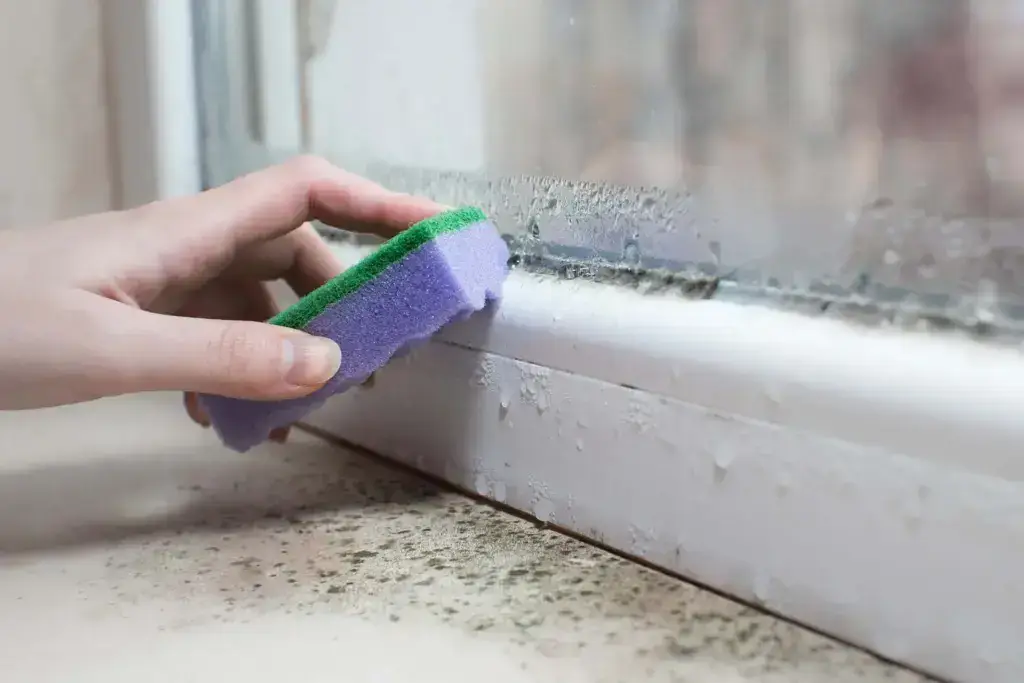
Mould is persistent, but with stronger housing standards like Awaab’s Law, the UK is finally treating it as a health and safety issue, not just a cosmetic one.
At Ideal Response , we’ve spent more than 20 years helping property owners, landlords, and housing associations create safer, healthier environments. Our certified technicians combine advanced diagnostic tools, proven remediation techniques, and an understanding of UK housing regulations to deliver results that last.
We believe that tackling mould properly isn’t just about compliance, it’s about protecting the people who live and work inside those buildings. Contact us today and take the first step to a mould free property.
Don’t just remove mould, remediate it for good.

Chris Hedges is Head of Marketing at Ideal Response and the author of every article published on this site. With over 25 years of senior marketing experience across property, legal, and professional services sectors, Chris brings a clear, evidence-led approach to writing about fire damage, flood restoration, and specialist property remediation. His philosophy is simple: cut through the noise, respect the reader's time, and give people the information they actually need.
Explore more articles about damage restoration, specialist cleaning and what we do
If you’re dealing with fire damage, flooding, or an environmental incident, our team is ready to respond. No matter if you have a question or have an emergency that you need help with, call:
If you’d prefer to drop us a message, use our main contact form and upload any pictures of the incident. Would you like us to call you? Fill out the short ‘Request a call back’ form.