Sewage spills are often seen as rare, one-off incidents. In reality, they are part of a much wider issue across the UK’s ageing drainage infrastructure.
In England alone, there are hundreds of thousands of sewage discharge incidents recorded every year, many lasting for extended periods. While much of this occurs within wider systems, a significant number results in backups, leaks and contamination inside homes and commercial properties.
For property owners, landlords, and businesses, this means the risk is not theoretical, it’s something that can and does happen without warning. And when it does, the impact is immediate.
Not just in terms of disruption, but in the introduction of biohazard contamination that requires careful handling from the outset.
This is why sewage spills should never be treated as a routine cleaning issue, but as a health, safety and contamination event.
Skip to:
What a sewage spill actually looks like inside a property
The different categories of sewage contamination (why it matters)
Where diesel spills commonly occur on commercial sites
What actually happens beneath the surface
Where property owners often get it wrong
A typical sewage spill scenario
When a sewage spill requires professional clean-up and what happens next
Conclusion: Sewage spills are a contamination issue and not a cleaning task
What a sewage spill actually looks like inside a property
Sewage incidents don’t always begin dramatically. They often start as:
- A slow backup in a toilet or drain.
- Water pooling around floor-level fixtures.
- A persistent, unpleasant odour
But beneath the surface, contamination can spread quickly. Sewage can:
- Track under flooring and into subfloors.
- Soak into carpets, underlay and soft furnishings.
- Spread into adjoining rooms.
- Penetrate walls and structural materials.
By the time the issue becomes clearly visible, the affected area is often significantly larger than expected.
The different categories of sewage contamination (why it matters)
Not all water damage is treated the same and this is where many property owners get caught out.
In the restoration industry, water contamination is classified into categories:
Category 1: Clean water
Water from a clean source (e.g. burst pipe) with no immediate health risk.
Category 2: Grey water
Water that may contain some contaminants (e.g. appliance leaks or minor drainage issues).
Category 3: Black water (sewage)
The most serious category, including:
- Sewage backups
- Toilet overflows involving waste
- Heavily contaminated floodwater
Category 3 contamination is considered hazardous and requires specialist handling.
This classification determines:
- What can be safely cleaned
- What must be removed
- How deep the decontamination process needs to go
What’s in sewage and the real health risks in a property
Sewage is classified as a biohazard because it contains a complex mix of harmful contaminants. These can include:
- Bacteria such as E. coli and Salmonella
- Viruses including norovirus
- Parasites and other pathogens
- Organic waste and toxins
Guidance from the UK Health Security Agency highlights the importance of avoiding exposure and ensuring proper decontamination following sewage incidents.
The challenge is that these risks are not always immediately visible but they can be significant, particularly in enclosed indoor environments.
Direct contact and surface contamination
Contact with contaminated water or surfaces can lead to illness, infection and skin irritation. Even small amounts of exposure can pose a risk if proper precautions are not taken.
Airborne exposure during disturbance
When contaminated materials are moved or cleaned, particles can become airborne. This increases the risk of inhalation, particularly in poorly ventilated spaces.
Cross-contamination within the property
Sewage does not stay contained to one area. It can spread through:
- Foot traffic
- Cleaning attempts
- Movement of items
This can transfer contamination to other rooms, surfaces and belongings.
Increased risk for vulnerable individuals
Certain groups are more susceptible to the effects of exposure, including:
- Young children
- Elderly individuals
- Those with weakened immune systems
For these occupants, even limited contamination can present a more serious health concern.
What actually happens beneath the surface
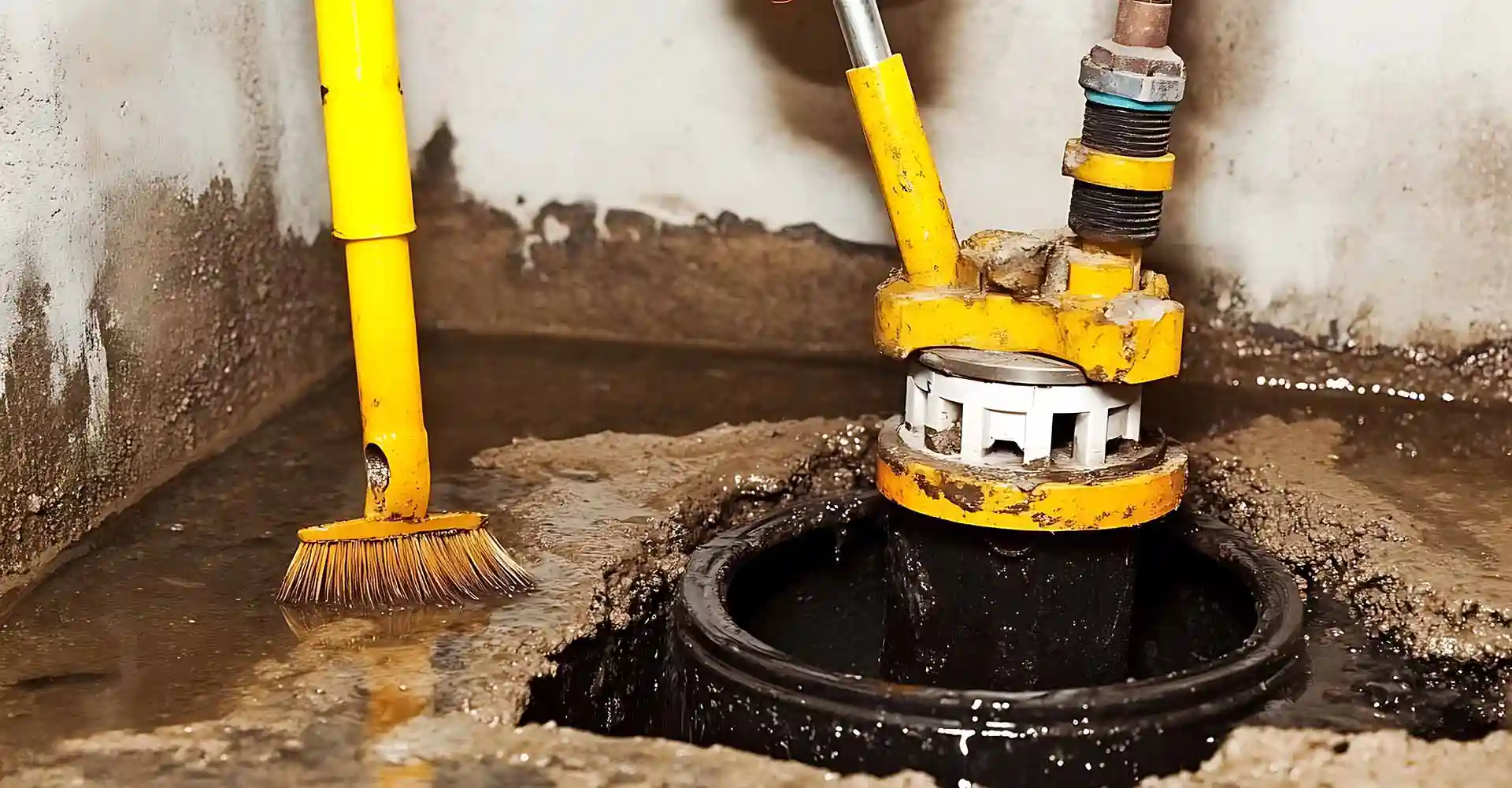
A sewage spill is rarely just what you can see. In real-world scenarios, contamination often:
- Spreads beneath flooring into subfloors
- Wicks into plaster and wall materials
- Travels through porous structures
- Becomes trapped in voids and hidden areas
For example:
- Timber floors can absorb contamination into joists
- Carpets can hold sewage within underlay and subfloor layers
This is why a space can appear clean but still be unsafe.
Where property owners often get it wrong
Sewage incidents are frequently underestimated. Common mistakes include:
- Attempting to clean large spills without proper protection.
- Focusing only on visible contamination.
- Leaving affected materials in place.
- Assuming odours will disappear naturally.
These approaches often leave contamination behind, leading to ongoing issues.
The hidden cost of getting sewage clean-up wrong
Improper sewage cleaning doesn’t just leave a hygiene issue, it creates longer-term problems. These can include:
- Persistent odours that return over time
- Bacteria remaining within materials
- Deterioration of flooring and structures
- The need for more extensive strip-out later
For landlords and businesses, this can lead to:
- Unusable spaces or void periods
- Tenant complaints or disputes
- Reputational impact
- Significantly higher costs over
In many cases, addressing the issue properly early on is far more cost-effective.
A typical sewage spill scenario
A common situation might involve a blocked drain in a ground-floor property. Initially, there may be:
- Slow drainage
- Minor overflow
- An unpleasant smell
Within hours, this can escalate to:
- Contaminated water spreading across flooring
- Seepage into adjoining rooms
- Absorption into carpets and materials
By the time action is taken, the contamination has often spread far beyond the original source.
Sewage cleaning case study
When sewage began leaking into the kitchen ceiling of a care home in Cambridge, the incident quickly escalated into a potential health crisis. So, we mobilised a two-person team and the entire contamination was remedied in just one visit. Read the full case study.
When a sewage spill requires professional clean-up and what happens next
There is a clear point where a sewage incident moves beyond something that can be safely managed with basic cleaning.
Professional support should be considered where:
- Contamination extends beyond a small, contained area
- Carpets, flooring or walls have been affected
- There is strong or persistent odour
- The extent of the contamination is unclear
- Are there any health or safety concerns
At this stage, the priority shifts from surface cleaning to controlled, safe decontamination.
Early intervention is key. Acting quickly helps prevent contamination from spreading further and reduces the risk of more extensive damage.
What professional sewage clean-up involves
Specialist clean-up is designed to restore both safety and hygiene, not just appearance.
Containment and control
The first step is to prevent contamination from spreading further within the property, protecting unaffected areas.
Safe removal of contaminated materials
Heavily affected materials, particularly porous items, may need to be safely removed and disposed of to eliminate the source of contamination.
Deep cleaning and disinfection
All affected areas are thoroughly cleaned and disinfected using appropriate methods to remove harmful bacteria, viruses and pathogens.
Odour neutralisation
Persistent odours are treated at source to ensure they do not return once the clean-up is complete.
Safe restoration and reoccupation
The final stage ensures the property is safe, hygienic and suitable to return to without ongoing risk.
Conclusion: Sewage spills are a contamination issue and not a cleaning task
Sewage spills are more common in UK properties than many realise and the risks extend far beyond what is visible. The key points are clear:
- Sewage is a biohazard, not just waste
- Contamination spreads further than expected
- Improper cleaning can leave ongoing risks
The difference between a contained incident and a long-term problem often comes down to how it is handled in the first 24 – 48 hours.
Acting quickly and involving the right expertise ensures:
- The property is made safe
contamination is fully removed - The issue does not return
If you are dealing with a sewage spill, Ideal Response provides specialist sewage and biohazard clean-up services across the UK, helping restore properties safely, thoroughly and with minimal disruption.
Contact the team today for expert advice and rapid response.
Frequently asked questions about sewage spills in property
Is a sewage spill in a property considered a health hazard?
Yes. Sewage is classified as a biohazard because it can contain harmful bacteria, viruses and parasites. Direct or indirect exposure can lead to illness if not properly managed.
Can I safely stay in a property after a sewage spill?
It depends on the extent of contamination. If sewage has spread beyond a small, contained area, it may not be safe to remain in the property until proper cleaning and disinfection has been completed.
What are the biggest risks if sewage isn’t cleaned properly?
The main risks include:
- Ongoing bacterial contamination
- Persistent odours
- Damage to building materials
- Potential health issues for occupants
What looks clean on the surface may still be unsafe.
Why is sewage more serious than a standard water leak?
Unlike clean water, sewage contains biological contaminants. This means the issue is not just moisture, it’s contamination that requires proper disinfection and safe handling.
How far can sewage contamination spread inside a property?
Further than most people expect. It can travel under flooring, into walls and across adjacent rooms, particularly if not contained quickly.
Is it safe to clean sewage myself?
For very minor, contained incidents it may be possible, but most situations carry health risks. Without proper protection and cleaning methods, contamination can remain.
Will the smell go away if I clean it myself?
Often no. Persistent odour is usually a sign that contamination remains within materials and hasn’t been fully treated.
Does insurance usually cover sewage clean-up?
In many cases, yes. Particularly where the cause is sudden and accidental, however, this depends on the policy and circumstances.
When should I call a professional clean-up company?
You should consider professional help if:
- Sewage has spread beyond a small area
- Soft furnishings or flooring are affected
- There is strong or persistent odour
- Are there any concerns about health risks
Is it cheaper to deal with sewage immediately or later?
Almost always immediately. Delays allow contamination to spread, increasing both the complexity and cost of clean-up.

Chris Hedges - Head of Marketing
With over 25 years' experience, Chris is adept at defining and driving strategy, while also enjoying hands-on operational delivery. He believes in an equal blend of creativity and analytical scrutiny, always finding inventive ways to achieve objectives, underpinned by evidence. Chris’s philosophies are simple: don't overcomplicate, always prioritise customer experience, and bend the rules just enough to cut through the noise and drive momentum and growth.