Mould removal at a glance
Acknowledge the report in writing and arrange an inspection promptly
Find the cause, with a damp survey if it is unclear
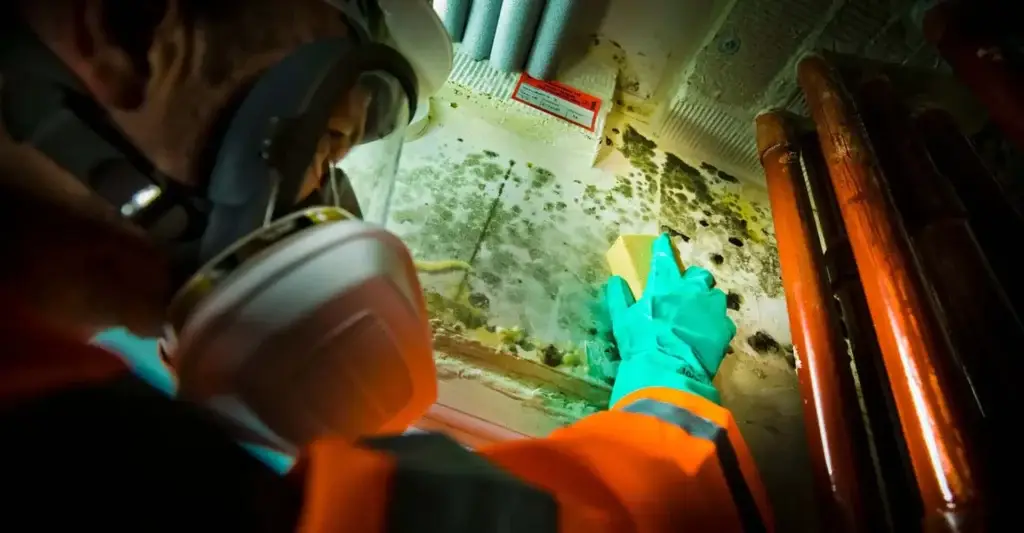
Remove the mould safely and record the work with photographs
Fix the moisture source, whether ventilation, heating or a building defect
Follow up to check it has not returned, and keep records
Mould surveys: find the cause first
Homes and flats
Bathrooms, bedrooms, window reveals and behind furniture.
Rental and HMO properties
With before-and-after records for landlords.
Hidden areas
Under floors, in lofts and in basements.
Commercial and hospitality premises
Offices, pubs, restaurants and other workplaces.
How much does mould removal cost?
Step 1AssessHow far the growth has spread, what it is growing on, and the likely moisture source.
Step 2ContainAffected areas sealed so spores are not spread during removal.
Step 3RemoveHEPA vacuuming, fungicidal washdown and removal of materials that cannot be cleaned.
Step 4Treat the airULV fogging treats airborne spores.
Step 5Address the causeWe advise on, or survey, the moisture that caused it, because removal alone does not stop it returning.
Equipment we use
01
Containment sheeting and zip doors
Stop spores spreading to clean areas
02
HEPA vacuums
Capture spores and debris
03
Fungicidal treatments
Kill mould on affected surfaces
04
ULV foggers
Treat airborne spores across a room
05
Air scrubbers
Filter spores from the air during and
after work
06
Moisture meters and hygrometers
Check the moisture behind the mould
What we treat
| Type of mould | Where it is usually found | What it tells you |
|---|
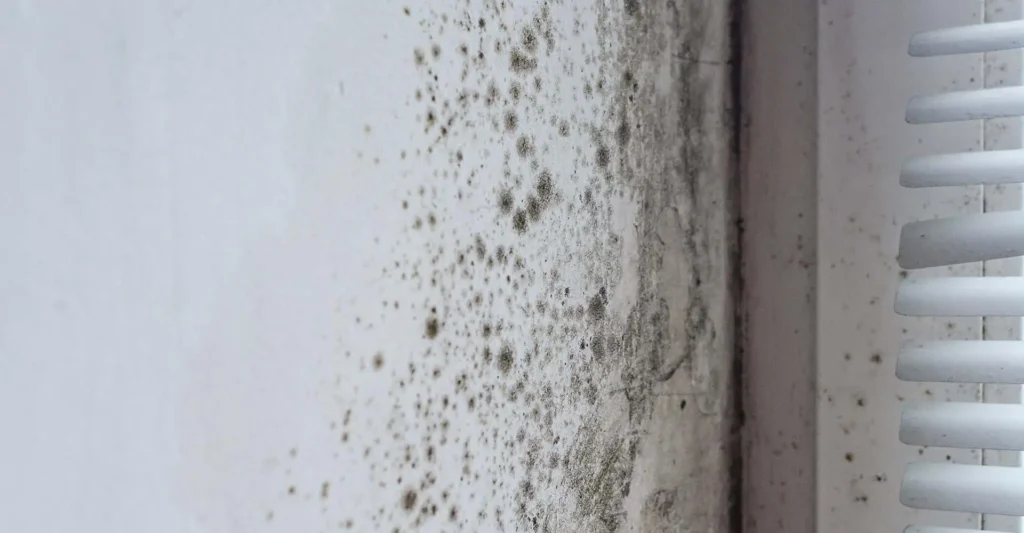
| Black mould (often Cladosporium orAspergillus) | Cold walls, window reveals,corners | Usually condensation |
| Green or blue-green mould | Damp plaster, wallpaper, food | Persistent damp or leaks |
| White, fluffy mould | Timber, basements, behindfurniture | Damp and poor airflow; check forrot |
| Mould behind wallpaper or furniture | Hidden areas against cold walls | Condensation with no airflow |
- What it is
- Safe removal of mould and spores, with investigation of the moisture that caused it
- Mould survey
- From £295, with a report usually within 3 working days
- When to call a specialist
- Mould larger than about one square metre, mould that returns, or mould affecting health
- Booking
- Planned appointments; same-day visits where possible
- Cost
- Quoted after an initial assessment
- Not included
- Repairs to plaster, timber or insulation
Common types of household mould
Mould removal in the UK: the numbers
Where mould grows and why
When to call a mould specialist
Mould and the Housing Health and Safety Rating System
How mould affects your property
How we carry out mould removal
How we help landlords respond to a mould report
Social landlords must also meet the investigation and repair timeframes set by Awaab's Law.
Cost depends on the size of the affected area, the materials involved and the cause of the damp. You receive a fixed quote after assessment.
1.4m
homes in England had a damp
problem in 2024, the conditions
mould needs
Source: MHCLG, English Housing Survey 2024 to 2025
8%
of local authority homes had damp,
against 6% of housing association
homes
Source: MHCLG, English Housing Survey 2024 to 2025
Why choose Ideal Response for mould removal
Accredited specialists
BDMA and IICRC accredited water damage and drying specialists
Proven results
Mould remediation and targeted drying in a Hove HMO
Paperwork that stands up
Before-and-after records that support landlords' Awaab's Law duties
Local teams across London, Kent and the South East
From our head office in Maidstone and our London office, with ISO 9001, 14001 and 45001 certified systems
Independently reviewed
Read what customers say on Trustpilot, where we invite every customer to leave a review. Live rating shown by the Trustpilot widget.
Typical timescales
| Situation | Typical time on site |
|---|
| Small area, one room | Half a day to a day |
| Several rooms | 1–2 days |
| Survey and remediation together | Within 1–2 weeks of booking |
Standards we work to: HHSRS, Awaab's Law, HSE and COSHH regulations. Social landlords must also meet the investigation and repair timeframes set by Awaab's Law.
Where our work stops
We remove mould and can investigate and dry the cause, including tracing a
hidden leak. We do not repair plaster, timber or insulation. Removing mould
does not stop it returning if the moisture problem is not fixed.
| Cost factor | Why it matters |
|---|
| Area affected | A small patch costs less than growth across several rooms |
| Materials | Mould in porous materials may need removing; replacement is for your builder |
| Cause of the damp | Condensation, a leak or penetrating damp change the scope |
| Access | Hard-to-reach areas and larger commercial properties take longer |
Recent mould removal projects
Recent mould removal projects
Mould remediation and targeted drying in a Hove HMO
Location
Hove, East Sussex
Related services and guides
Widespread mould affected several ground-floor rooms of a six-bedroom HMO. The team contained the areas, removed contaminated materials where needed and cleaned with HEPA filtration, including behind furniture, leaving the property safe for tenants.
Mould is a symptom of too much moisture. If you remove it without finding the cause, it usually comes back. A mould survey finds out why the mould is growing, so the right thing gets fixed.
What the survey includes
Moisture, humidity and surface temperature readings in the affected rooms
Thermal imaging to find cold spots and hidden damp
A check of
ventilation, heating and how moisture builds up
A written report: the likely cause, the evidence and what to fix
Optional tests, only when they change what you do next
DNA dust analysis
Whether there is likely to be hidden mould where you cannot see it, from dust that reflects months of history.
Air sample with an outdoor comparison
How many mould spores are in the air compared with outside on the same day.
Price and what happens next
Most surveys need no extra tests. We only suggest one if the result would change your next step, and agree it before the visit so it is done on the day.
From £295, usually up to 1.5 hours on site (depending on the size of the property and the affected area), with a report within 5 working days. If we then remove the mould, the survey fee is credited against the work. If the cause looks like penetrating damp, rising damp or a leak, we will recommend a damp survey or leak detection instead.
Mould grows where moisture lingers: bathrooms, kitchens, lofts, around windows, in basements and behind furniture where air cannot move. The usual causes are condensation, penetrating damp and hidden leaks; it can also follow a flood or burst pipe.
If the moisture is not dealt with, the mould comes back. That is why we investigate the cause as well as removing the growth.
Call a specialist if mould covers more than about one square metre, keeps returning after cleaning, or is affecting anyone's health.
Size
More than about one square metre in total,
roughly a bath towel, or growth in several rooms.
Health
Breathing problems, irritation or headaches that
ease away from the property.
Materials
Visible damage has been cleaned, Mould on plasterboard, insulation or carpet, or a musty smell with no visible source.
Recurrence
Mould returning quickly after cleaning, or with water staining.
Rental properties
Landlords need records of the work to show they
have met their duties under the Homes (Fitness for Human Habitation) Act and, for social
housing, Awaab's Law.
Mould growth is a recognised hazard under the Housing Health and Safety Rating System. It should be removed and its cause corrected, which is why we investigate the moisture behind it as well as removing the growth.
Mould and damp feed on organic materials, including the timber in floors, joists and roofs. Left alone, they cause:
Loss of timber strength
Sagging floors and ceilings
Crumbling plaster and peeling paint
In severe cases, structural failure
The hidden damage costs far more to put right than the visible marks, so act early.
A clear, recorded response protects tenants and landlords.
Step 1Initial assessmentTell us about the mould and send photos.
Step 2 Mould survey, if neededRecommended when the cause is unclear, so the mould does not return.
Step 3Fixed quote and bookingA clear plan and fixed price, then a planned appointment.
Step 4Removal and foggingContainment, HEPA vacuuming, fungicidal washdown and ULV fogging.
Step 5Final checkEvery treated area inspected and photographed.