The period immediately following a property fire is critical. While the flames are gone, the property remains in a state of active decay. Understanding the technical requirements of fire damage remediation is the difference between a successful restoration and permanent structural loss. In this blog we will highlight the immediate and long-term dangers of fire damage as well as the importance of professional fire damage restoration.
Key Takeaways: Immediate post-fire priorities
-
Safety First: Structural instability and toxic particulates make fire-damaged properties hazardous; never enter until cleared by professionals.
-
The Corrosive Clock: Soot and smoke acids begin permanently etching glass, metal, and stone within hours of the fire being extinguished.
-
Insurance Compliance: Thorough documentation and professional estimates are vital for ensuring your claim covers the full scope of remediation.
Skip to:
What are the hidden dangers of fire damage?
Navigating the insurance claim process
Should you avoid DIY fire cleaning?
What are the hidden dangers of fire damage?
Fire damage is not limited to charred materials. The combustion of modern synthetic items releases a complex array of hazards that linger in the air and surfaces:
Toxic Particulates: Soot contains carcinogenic compounds that pose severe respiratory risks if inhaled without industrial-grade PPE.
Structural Instability: Extreme heat can weaken timber joists and compromise the integrity of steel beams and masonry.
Chemical Corrosives: Smoke creates an acidic film that, when combined with humidity, eats away at electronics, appliances, and fixtures.
Even a smoke damage after a small fire can render a property unsafe due to these invisible threats.
Navigating the insurance claim process
Securing the funds for a full restoration requires a data-driven approach to your insurance company. Most UK policies cover fire damage remediation, but the burden of proof lies with the policyholder.
Immediate Notification: Contact your insurer to initiate the claim.
Professional Assessment: Insurance adjusters may underestimate the “invisible” damage. Having a professional fire remediation specialist provide a detailed scope of work ensures no hidden soot or odour issues are overlooked.
Audit Trails: Keep a meticulous record of all communications and remediation steps. Our guide to fire damage insurance claims provides further strategic advice for UK property owners.
Should you avoid DIY fire cleaning?
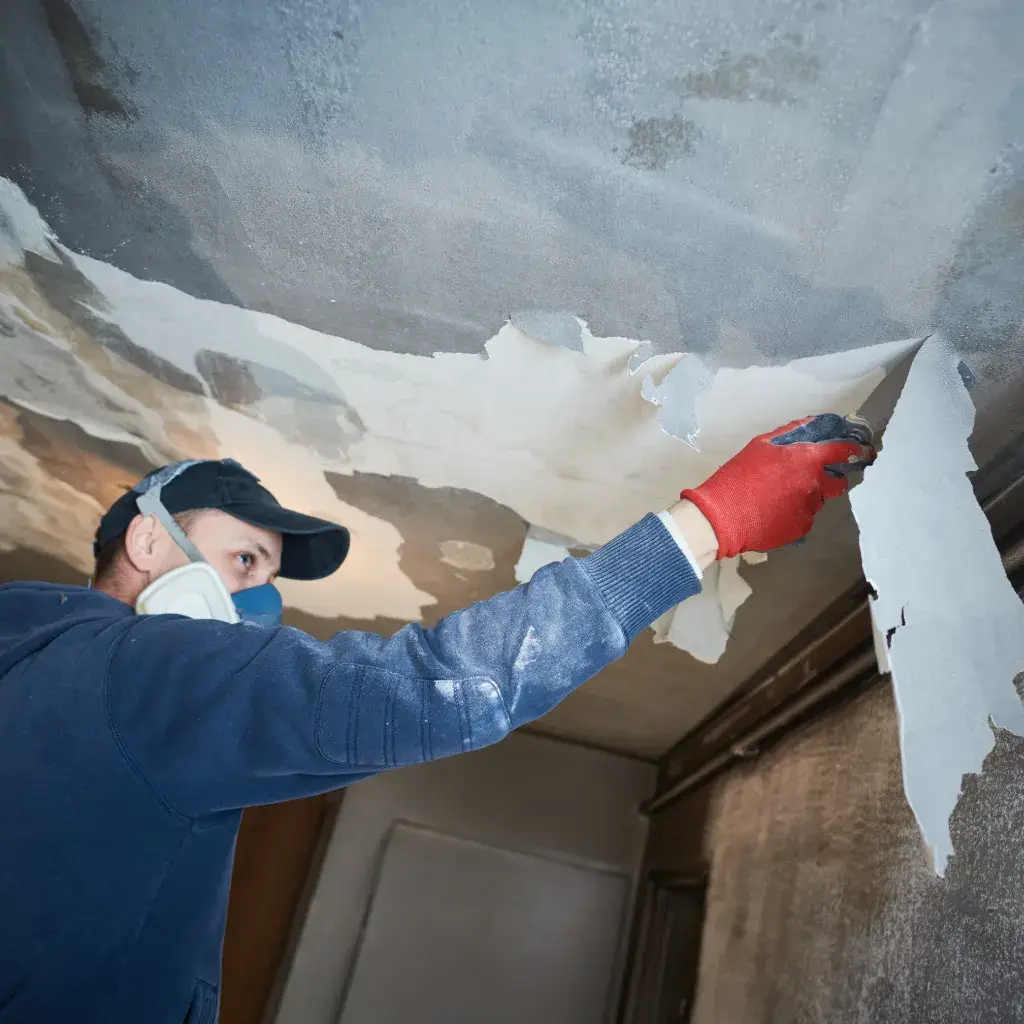
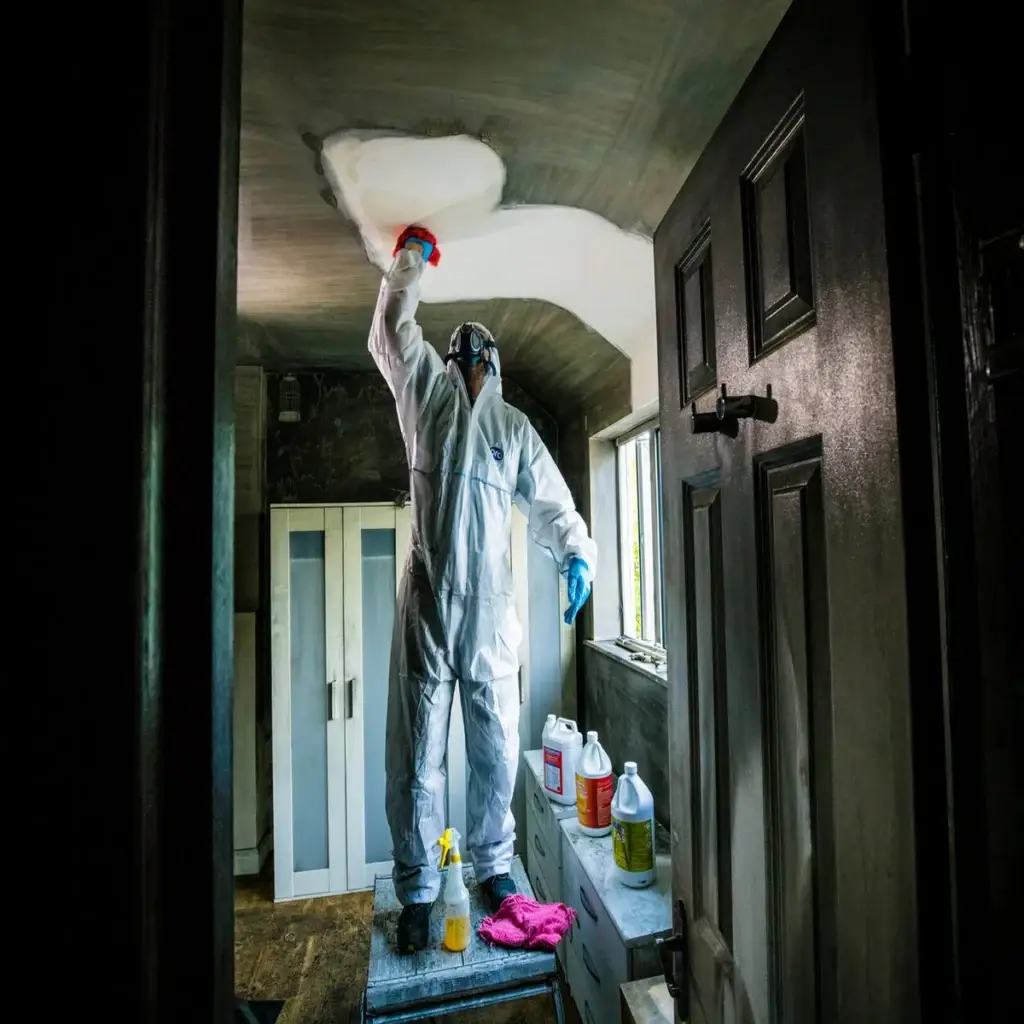
In short, yes. It is a common mistake to attempt “scrubbing” soot away with domestic cleaning products. This often leads to secondary damage that is more expensive to fix than the original fire:
Soot Smearing: Without specific chemical sponges, soot is smeared deeper into the pores of walls and ceilings.
Water Damage: Using water-based cleaners on certain types of soot can create an acidic “sludge” that causes permanent staining.
Inadequate Deodorisation: Domestic air fresheners merely mask odours; professional fire damage remediation is required to neutralise smoke molecules at a structural level.
The importance of professional fire remediation
A structured, professional approach ensures the property is returned to a pre-loss condition, both aesthetically and hygienically.
Step 1: Initial Stabilisation and Safety
The site is secured, and hazards like standing water or electrical faults are managed. This prevents further degradation, as seen in our Fire Damage Restoration for Autoglass Commercial Unit. It’s essential that in the early stages of fire remediation, the site is prepared correctly. Assessing water and power availability and identifying any hazards are a key part of step one. Depending on the scale of the project and the circumstances surrounding it, environmental containment may also need to be erected to minimise the chances of cross contamination.
Step 2: Soot Extraction and Decontamination
Using HEPA vacuuming and dry-sponge techniques, specialists remove the bulk of the soot and ash. This is followed by the application of antimicrobial surfactants to neutralise acidic residues. PH balancing chemical are an essential part of fire remediation due to the corrosive nature of fire and smoke particles. Failure to fully remove these particles and neutralise contaminated surface can lead to long-term secondary damage.
Step 3: Structural Deodorisation
Technology such as thermal fogging or BioSweep ozone generation is deployed to penetrate wall cavities and flooring, ensuring that the fire and smoke damage is eliminated permanently. This is an often undervalued part of the process but is still a key component of a professional remediation service. Lingering smoke odour is more than just inconvenient, long-term exposure to it can lead to health issues as a result of the harmful odour causing compounds entering the body.
Conclusion: Making the right decision for your property
Fire damage is a progressive condition. The longer soot and smoke remain on-site, the more permanent the damage becomes. Hiring a professional ensures the use of IICRC-standard protocols, protecting both your health and your property’s value. Fire damage remediation should be seen as more than just a cost to fix a problem, it’s an investment into your health, wellbeing and property.
Ideal Response have been providing UK property owners with fire damage remediation support for over 20 years. From commercial properties in London to residential homes throughout Kent, our team of experts has help restore properties back to their pre-incident condition.
Do not leave your property’s recovery to chance. Contact Ideal Response today for emergency fire remediation services.
Fire damage restoration FAQs
How soon should fire damage remediation begin?
Remediation should ideally begin within 24 to 48 hours. This window is critical for preventing the acidic soot from causing permanent corrosion and etching to household surfaces and structural elements.
Is it possible to fully rmeove the smell of smoke?
Yes, through professional structural deodorisation. Unlike domestic cleaning, professional methods like thermal fogging neutralise the odour molecules at the source rather than just masking them.
Can I stay in my property during the remediation process?
In most cases, it is advised to vacate the property due to the presence of toxic airborne particulates and the industrial nature of the cleaning equipment used during the remediation process.

Tahlia Ibrahim - Delivery Manager
Tahlia has over four and a half years of in-depth experience across various facets of the disaster recovery industry. Having progressed through roles in marketing and sales to her current position, Tahlia possesses a comprehensive understanding of the entire business operation, from initial client contact to meticulous service delivery. A certified BioSweep Specialist, she excels in advanced odour elimination techniques, ensuring thorough restoration.