Available 24/7 | 0800 088 4170

Available 24/7 | 0800 088 4170
Key Takeaways: Understanding the impact of fire and smoke
When a property experiences an unexpected fire, the visible flames are often only the beginning of the destruction. For property owners, understanding the technical nature of fire and smoke damage repair is vital for safeguarding both the structural integrity of the building and the health of its occupants.
Fire damage is the physical destruction of materials by heat and combustion, while smoke damage is a chemical phenomenon where microscopic particles, acids, and resins infiltrate surfaces far beyond the seat of the fire. Even a smoke damage after a small fire can result in property-wide contamination if not addressed immediately. Read more to learn about the specifics of fire and smoke damage repair and the importance of professional support.
Skip to:
What is the chemical composition of fire damage?
How does fire damage spread and linger?
Why is professional repair so vital?
Fire damage is not just “burning”; it is a transformation of materials into hazardous by-products. In a modern property, the combustion of plastics, foams, and synthetic fabrics creates a complex cocktail of carbon, ash, and volatile organic compounds (VOCs).
If you are wondering can fire damage be repaired?, the answer depends on the depth of this chemical penetration. Professional remediation focuses on neutralising these corrosive elements before they cause permanent etching to glass, metal, and stone.
Smoke is a pressurised gas that carries fine particulates into every void of a building. It moves toward cooler areas and settled surfaces, often traveling through HVAC systems and wall cavities.
Understanding how smoke damage spreads is the first step in creating an effective decontamination plan.
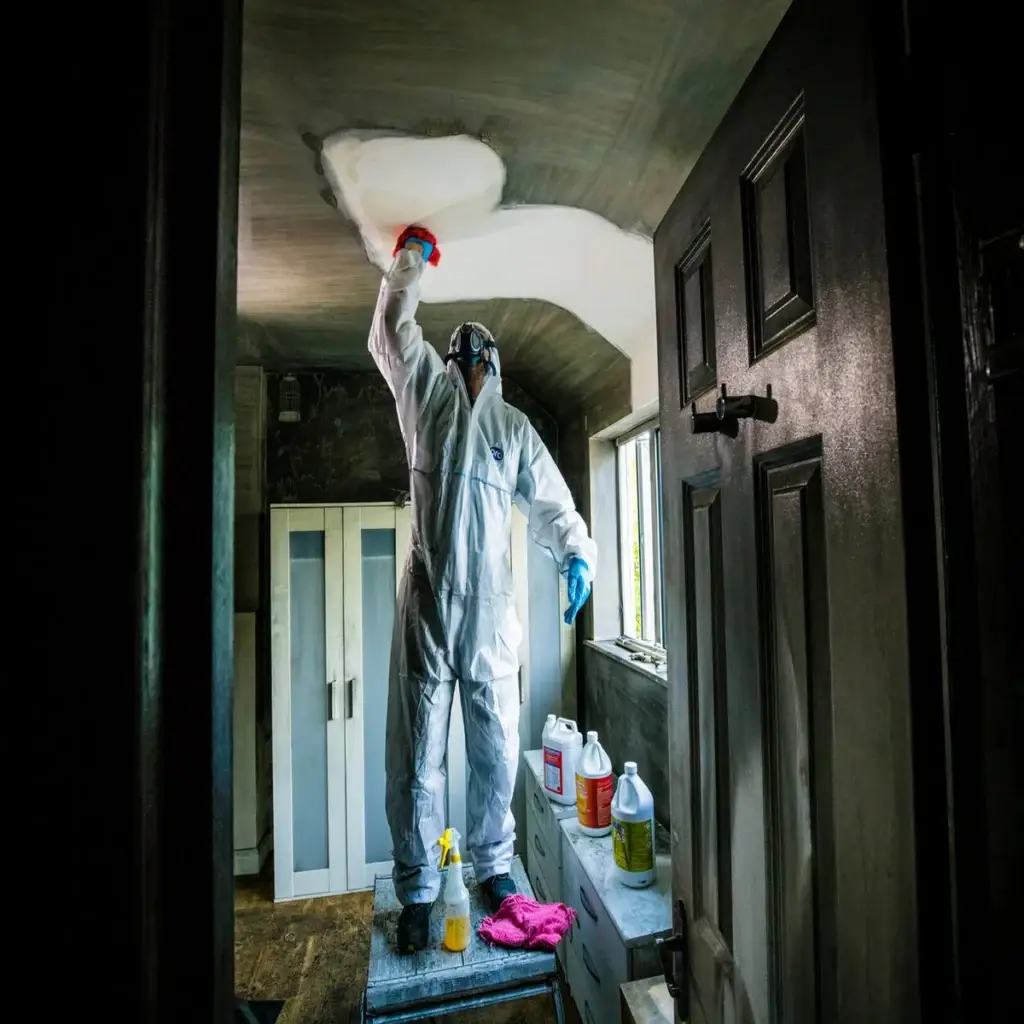
Attempting DIY cleanup after a fire is often a recipe for secondary damage. Improper cleaning techniques can smear soot deeper into the substrate or spread toxic particulates into the air.
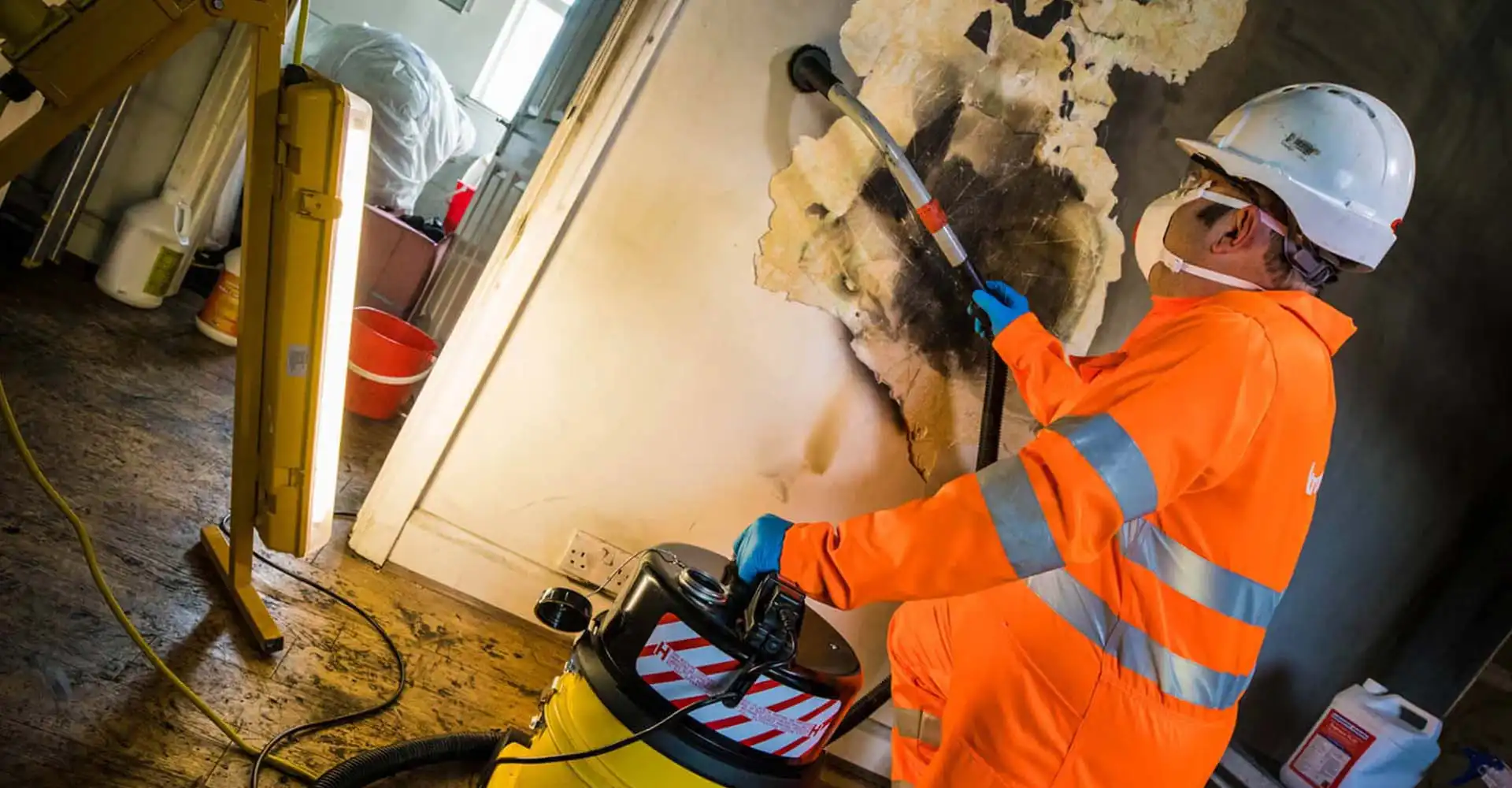
Professional fire and smoke damage repair involves a multi-stage process:
For a real-world example of complex restoration, see our work on the Hertfordshire Council soot cleaning project or the London Hotel fire damage cleanup, where rapid intervention saved significant structural assets.
For most UK property owners, the road to recovery starts with insurance. Documenting the damage correctly is essential for a successful claim. Our guide to fire damage insurance claims provides a roadmap for navigating this complex process and ensuring your fire damaged property receives the necessary level of care
The window for effective fire and smoke damage repair is short. Within days, the acidic nature of soot can turn treatable damage into a total loss. By understanding the “What” and “How” of fire damage, you can take the rapid action required to restore your property to a safe, pre-loss condition.
If you have suffered fire or smoke damage, contact Ideal Response today for emergency restoration services and professional guidance.

Chris Hedges is Head of Marketing at Ideal Response and the author of every article published on this site. With over 25 years of senior marketing experience across property, legal, and professional services sectors, Chris brings a clear, evidence-led approach to writing about fire damage, flood restoration, and specialist property remediation. His philosophy is simple: cut through the noise, respect the reader's time, and give people the information they actually need.
Explore more articles about damage restoration, specialist cleaning and what we do
If you’re dealing with fire damage, flooding, or an environmental incident, our team is ready to respond. No matter if you have a question or have an emergency that you need help with, call:
If you’d prefer to drop us a message, use our main contact form and upload any pictures of the incident. Would you like us to call you? Fill out the short ‘Request a call back’ form.