Available 24/7 | 0800 088 4170

Available 24/7 | 0800 088 4170
After a fire, getting back to normal is often first on your mind, but it’s important to make sure the building is safe before trying to continue living or working there. The high temperatures reached during a fire affect every part of the building, so many hazards and dangers can result from fire damage. You might not be able to see the full extent of the damage, so it’s important to get professional support to assess whether your home is safe after a fire. Professional fire damage restoration is also essential for preventing further secondary damage occurring over time.
Ideal Response offers assessments and restoration services to help return property to a safe and liveable condition. We work with homeowners and landlords to repair fire damage with care and attention, so you can move on with confidence. In this blog post, we’ll discuss some common hazards caused by fire damage, including electrical systems, pipes and fumes that may linger.
Skip to:
Is it safe to stay in my fire-damaged home?
What are the six most common fire damage hazards?
Structural damage
Electricity and wiring
Gas pipes and systems
Hidden smoke and soot
Ash particles
HVAC systems
Fire damage restoration services at Ideal Response
FAQs
Fire damage affects your electrical wiring, gas and water supply, and even the air quality inside your home. Unfortunately, there are so many possible dangers found in fire-damaged buildings that it is not safe for you or your family to remain on the premises until a full assessment and repairs have been carried out.
While many people wish to check on their belongings or see what has happened, visits to the property should be limited, and only once it has been declared safe to enter by the emergency services. You should not try to deal with fire damage yourself, as without proper training and equipment, you could cause further damage or serious harm to yourself.
Entering the building after a fire is not worth the risk and could lead to you getting hurt or becoming unwell. Prolonged exposure can cause serious conditions, particularly if you are in constant contact with ash, smoke, fumes and soot. Avoid entering the building until it is declared safe by the professionals.
While the fire itself is extremely dangerous, there are many hazards caused by the high temperatures (which can reach up to 1,100°C).
What dangers can result from fire damage? These hazards remain after the fire is out. Below, we’ll discuss how these different hazards occur and how we identify them.
The high heat of a house fire damages most structures, leading to weakened floors and beams, collapsed roofs and more. Even strong materials that withstand the heat longer than most, such as steel and brickwork, may have been compromised. Mortar can crumble and shift, and steel joists can expand and contract, much like pipework, causing shifts in the structures that depend on them.
Depending on the loads these structures are bearing, any change in their capabilities can lead to structural failure later, such as under high winds.
In some cases, structural elements such as walls, floors and staircases will be required to hold heavier loads than normal during refurbishment. Bringing commercial cleaning equipment into the structure without properly testing the integrity of the walls and floors can cause harm.
We always check for structural damage during the early stages after a fire. This could look like visible charring, sagging floors or roofs and cracks in foundations or walls, especially around load-bearing points.
High heat during a fire can melt the plastic insulation around wires and cables. This can lead to short circuits from previously insulated wires touching, damage to electrical equipment such as washing machines or ovens, or even live currents being conducted through metal building structures or equipment.
If water was used to put the fire out, electronics may have water inside their casings. This could lead to shocks or further fires if appliances are used before facilities are checked and refurbished.
Damaged electrics can easily lead to another fire. Soot deposits inside an appliance can also ignite, as soot is pure carbon, so make sure all appliances are assessed before using them again.
Similar to water pipes, gas pipes can warp, expand and become misaligned during a fire. This could cause gas or carbon monoxide leaks, which can be fatal if inhaled for long periods. Leaking gas can also cause another fire or an explosion if ignited.
Your boiler and any filters can be clogged with smoke, causing your central heating to draw smoke particles into the pipes if this isn’t dealt with. Neighbouring properties should also have their venting systems professionally checked for smoke damage to prevent worsening the damage.
Smoke and soot particles can linger in fabrics, only to be inhaled later. Soot is made up of oily, lightweight particles which can travel easily in the air inside a building.
This can cause lung damage through the ‘third-hand smoke’ effect, where a smoke particulate that has settled is later disturbed and inhaled. Those with weakened immune or respiratory systems, particularly infants, asthmatics or the elderly, are at particular risk of health problems caused by smoke damage. Inhaling smoke or soot can cause skin problems, throat infections, lung damage and cancer, so it is vital to eliminate all soot and hidden smoke from the property. This is not something that should be attempted yourself, as different materials require specialist solutions.
Smoke can also damage the structure of the building as it is absorbed into walls and wooden beams.
Ash is very different from soot. It is a solid substance that is easy to see, and is too dense to spread throughout your building unless carried on strong air currents. It is unlikely that you will inhale ash particles. However, people with respiratory conditions such as asthma are at risk from the effects of ash particles. Because of the way it breaks up on contact, ash is extremely difficult to clean up, and this should only be attempted by professionals. Find out more about fire damage clean up costs .
Heating, ventilation and cooling systems are easily damaged by smoke residue and particulates from various burned materials in the building. These can build up in ducting and filters, which may then redistribute these harmful substances into the air later. Ductwork can store toxic gases and flush them into your house the next time the system is used.
Thorough inspection and cleaning of all heating and cooling systems and extractor fans is needed to prevent further problems in the future. All filters should be changed, and ductwork must be professionally cleared.
If your home or property has been damaged in a fire, we’re here to help. Dealing with the aftermath is incredibly stressful, and we understand that you would like to be in your home as soon as possible. This list of the possible dangers that can be caused by fire damage is not comprehensive, but we hope it gives you an overview of the types of hazards faced by anyone entering the building.
If you do enter the building to assess damage or take pictures for insurance, keep visits short, remain downstairs and wear a mask, gloves and a hard hat – and only ever once you’ve been cleared to enter by a professional.
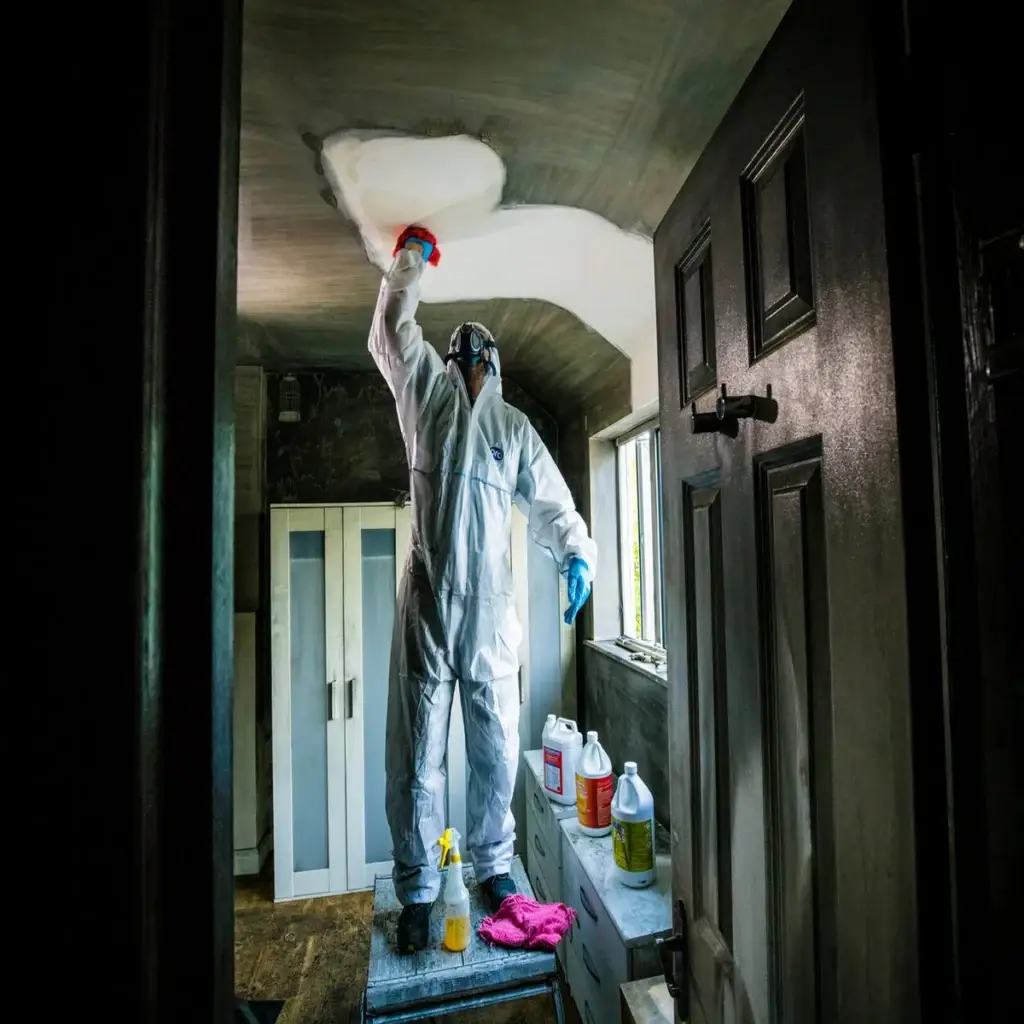
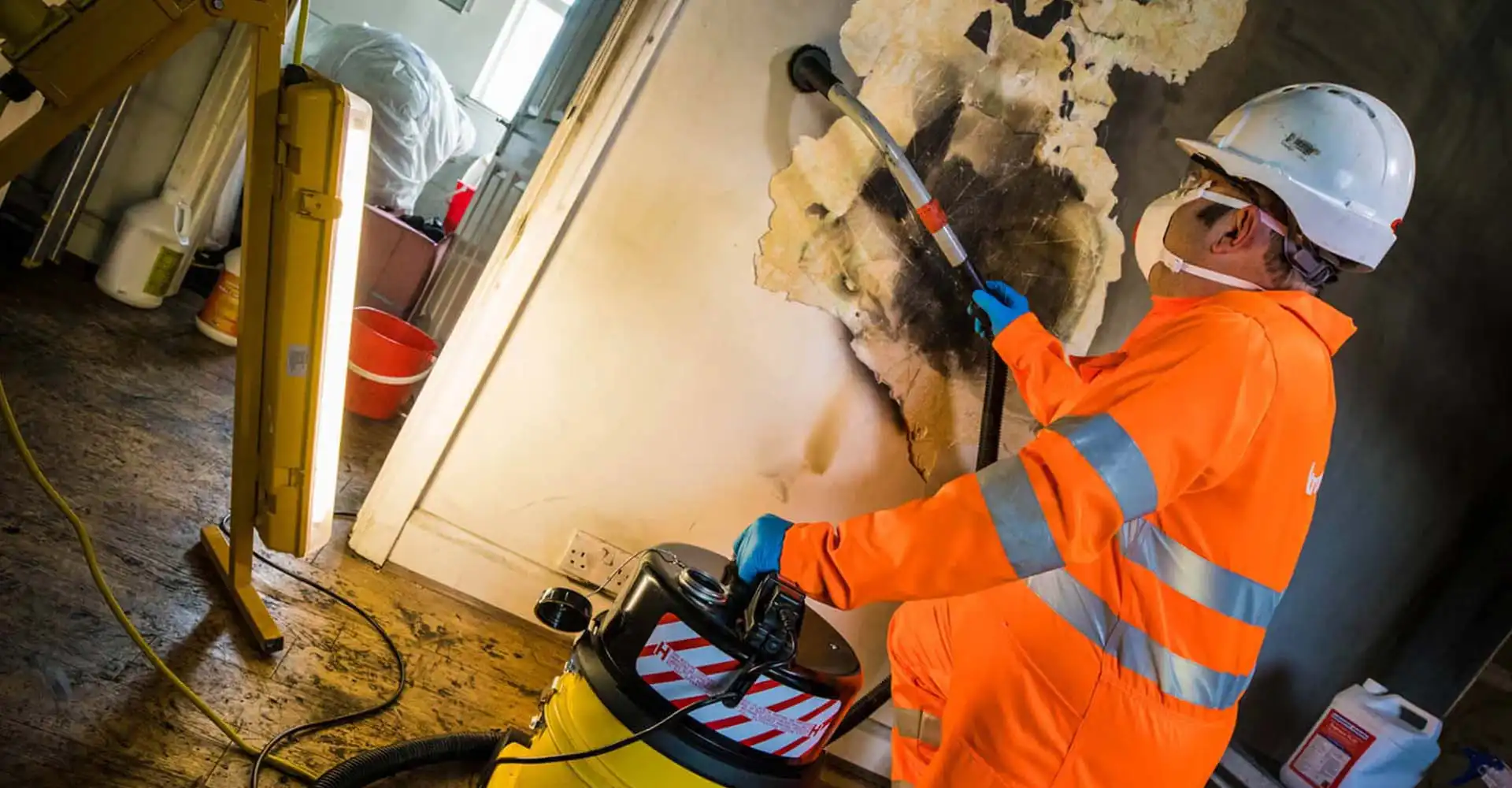
Our specialists do everything they can to make your property safe for you, using advanced techniques and specialised equipment to inspect utilities and remove soot and smoke damage. We are here to support you throughout the process, providing clear reports for your insurance claim and offering professional guidance.
Our fire damage restoration services will help return your home or property to you quickly, so you can get back to normal. We provide smoke and odour removal and soot and ash cleaning to remove all traces of the fire. Once finished, we provide a rigorous final inspection and walk you through all that we’ve done.
To learn more about fire damage restoration and the complex process that goes into a successful project, visit our Fire Cleaning at Major Commercial Facility case study.

Chris Hedges is Head of Marketing at Ideal Response and the author of every article published on this site. With over 25 years of senior marketing experience across property, legal, and professional services sectors, Chris brings a clear, evidence-led approach to writing about fire damage, flood restoration, and specialist property remediation. His philosophy is simple: cut through the noise, respect the reader's time, and give people the information they actually need.
Explore more articles about damage restoration, specialist cleaning and what we do
If you’re dealing with fire damage, flooding, or an environmental incident, our team is ready to respond. No matter if you have a question or have an emergency that you need help with, call:
If you’d prefer to drop us a message, use our main contact form and upload any pictures of the incident. Would you like us to call you? Fill out the short ‘Request a call back’ form.