Available 24/7 | 0800 088 4170

Fire damage restoration for Autoglass commercial unit, Manchester

Sound familiar? Facing something similar? Hit the button below

The Challenge: Assessing the impact of a commercial fire

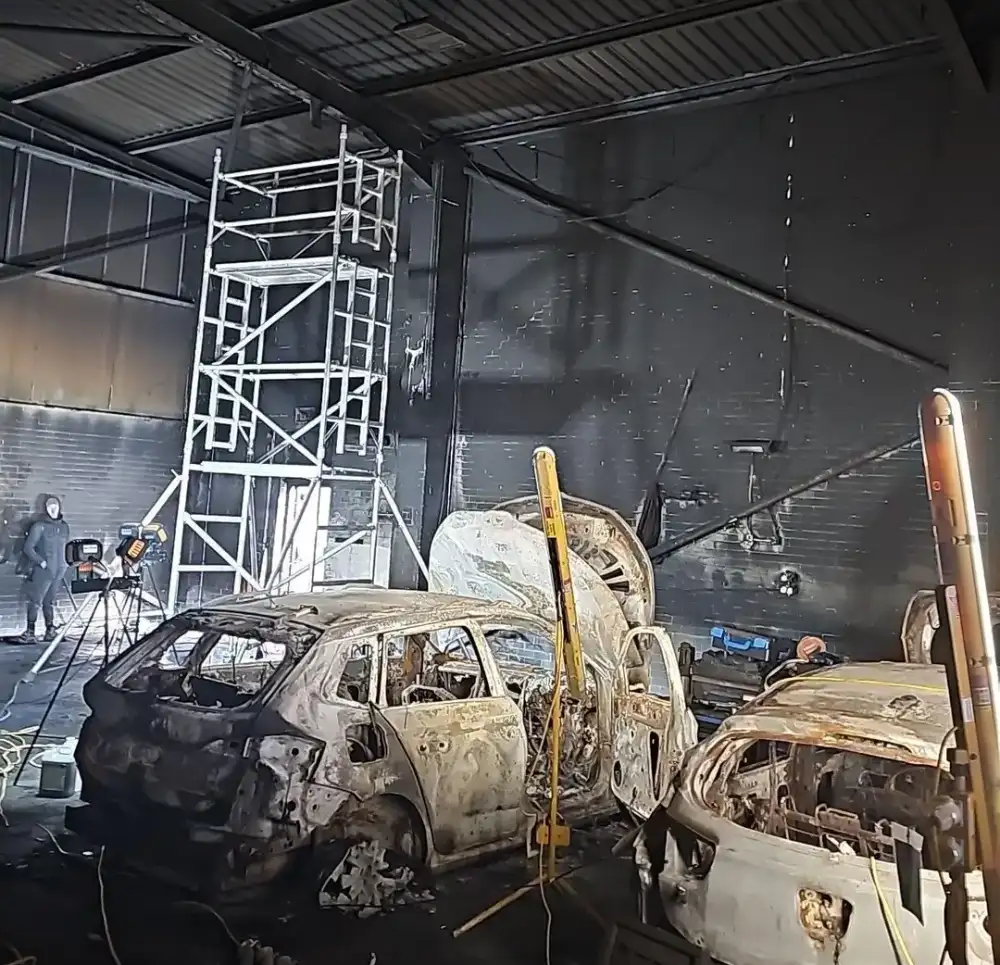
Following a significant fire that originated within the warehouse section of an Autoglass commercial unit in Manchester, the facility was left with extensive structural and aesthetic damage. The warehouse, being the seat of the fire, suffered the most severe impact, but the resulting pressurised smoke gas had migrated throughout the entire building.

The property was contaminated with a thick layer of oily soot and acidic residues, which posed an immediate threat to the remaining glass inventory, specialist automotive equipment, and the structural integrity of the masonry. Ideal Response was commissioned to execute a comprehensive fire damage remediation strategy to return the facility to a safe, pre-loss condition.

Fire damaged commercial unit.
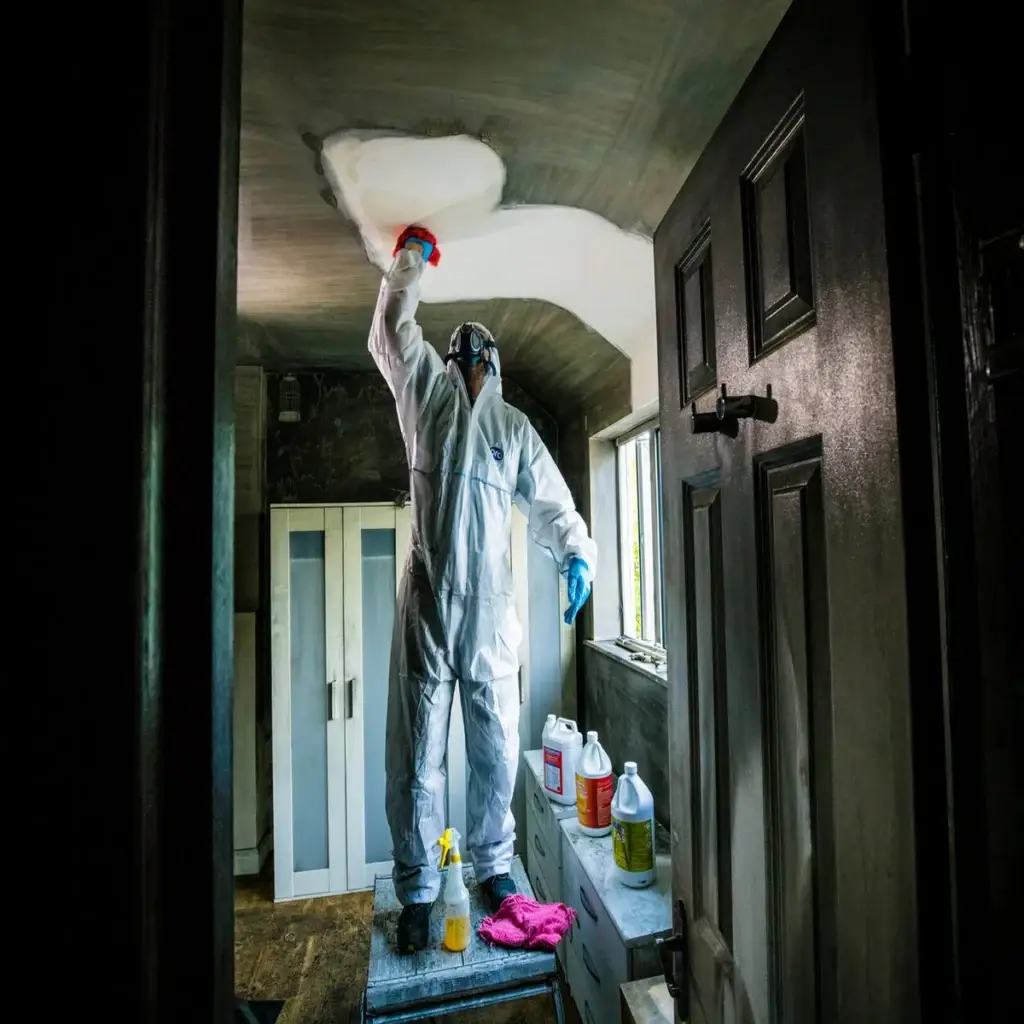
Smoke damaged wall.

Health & Safety: Managing risk during commercial fire restoration

Ensuring the safety of both our technicians and the client’s staff is the foundational priority of every fire damage remediation project. The combination of structural compromise and toxic by-products requires a rigorous approach to risk management.

Key Hazards & Mitigation Strategies

  • Soot and Ash (Particulate Matter): Smoke and soot contain microscopic, carcinogenic particulate’s’ that pose severe respiratory and dermal risks. We mitigate this through the mandatory use of full-body Tyvek suits and P3/N95 rated respirators to prevent inhalation and skin absorption.
  • Electrical Hazards: Fires often melt insulation and expose live wiring, while the water used during firefighting creates a high-conductivity environment. Our team conducts immediate electrical isolation and utilises battery-operated or 110v PAT-tested equipment to prevent electric shock.
  • Working at Height: In large-scale facilities like the Manchester Autoglass warehouse, soot settles on high-level steelwork and rafters. To ensure safe HEPA vacuuming and manual washdowns, we utilise IPAF-certified operators and secure mobile elevating work platforms (MEWPs).
  • Hazardous Chemicals: Fire-damaged properties often contain Volatile Organic Compounds (VOCs) and corrosive acids produced during combustion. Furthermore, the professional biocides used for mould prevention require careful handling; our technicians follow strict COSHH (Control of Substances Hazardous to Health) assessments for every chemical deployed.

The Ideal Solution: Multi-phase restoration

Phase 1: Site Stabilisation

The immediate priority was to secure the environment. Our team performed a rigorous safety assessment to identify structural hazards and electrical risks. Emergency boarding and temporary power solutions were implemented to ensure a safe working environment and to prevent secondary damage from exposure to the elements.

Phase 2: Technical Strip-Out

Materials beyond economic salvage, including charred insulation, compromised drywall, and fire-damaged fixtures—were systematically removed. This was essential to expose structural substrates for deep cleaning and to remove primary sources of lingering smoke odours.

Phase 3: Contents Removal and Asset Listing

The unit contained significant stock and specialist tools. Every item was catalogued in a comprehensive asset list, noting its condition and whether it was destined for off-site specialist cleaning or environmentally responsible disposal. This provided the client and insurer with a transparent audit trail.

Phase 4: HEPA Vacuuming and Manual Washdown

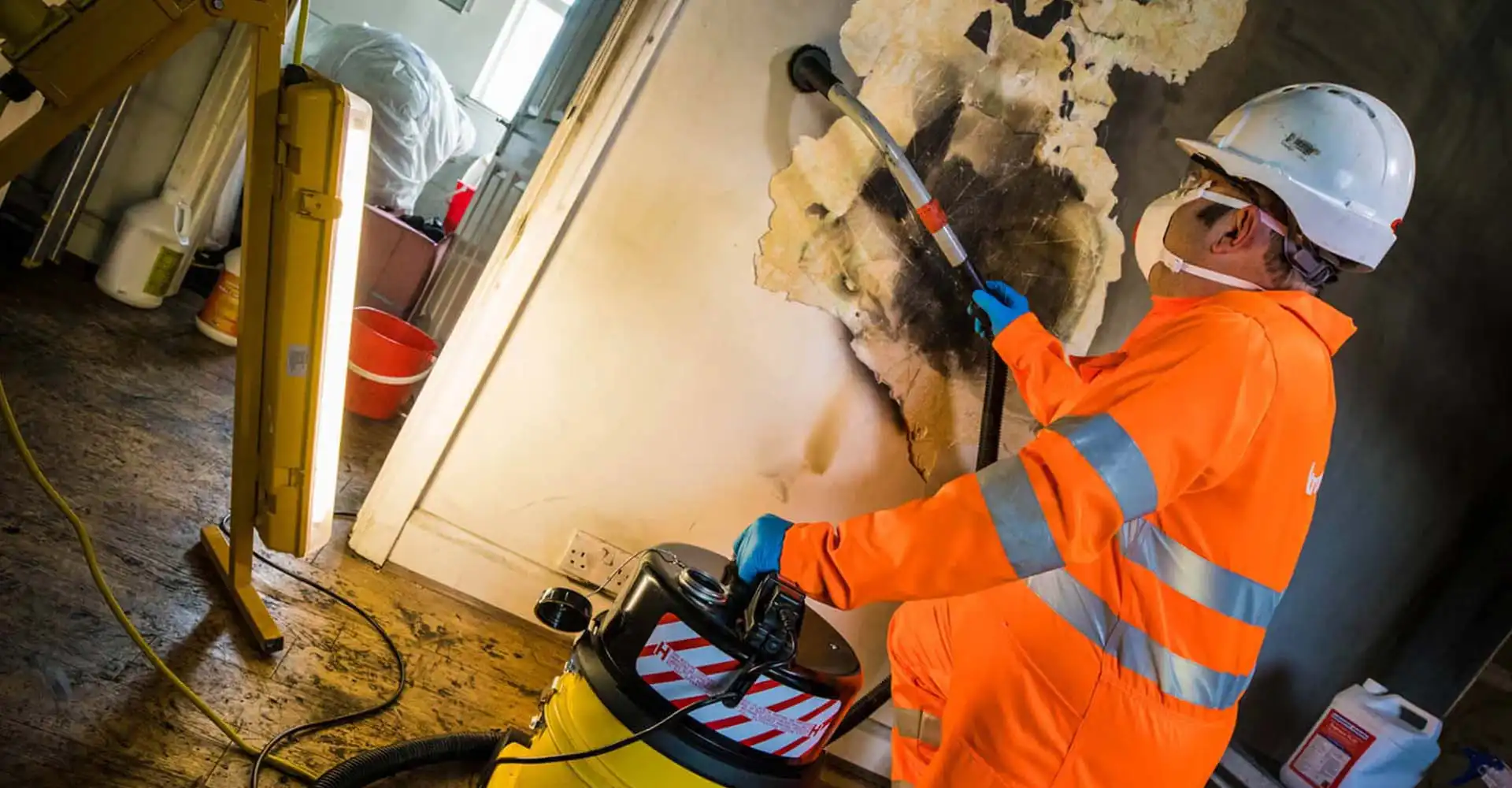
Technicians utilised industrial-grade HEPA H13 vacuuming to extract loose soot from all surfaces, including high-level steelwork. This was followed by a manual washdown using antimicrobial surfactants to neutralise the acidic film left by the smoke, preventing the permanent etching of glass and metal surfaces.

Phase 5: DOFF Surface Cleaning

For heavily contaminated masonry and concrete floors, we deployed the DOFF Steam Cleaning System. Using high-temperature steam (up to 150°C) at low pressure, the system lifted deeply embedded oily soot and carbon deposits without saturating the substrate.

Phase 6: Mould Prevention (ULV Fogging & Fungicidal Washdown)

To mitigate risks from water used during firefighting, we performed a fungicidal washdown of all damp-affected areas, followed by ULV (Ultra-Low Volume) Fogging. This dispersed a fine mist of biocide into wall cavities and voids, ensuring total coverage and long-term prevention. By carrying this out during the fire restoration works it reduces the chances of mould growth occurring and mitigates the need for future mould removal.

Phase 7: Odour Neutralisation via Thermal Fogging

We utilised Thermal Fogging for permanent smoke odour eradication. This process creates a smoke-like vapour that penetrates porous materials at a molecular level, neutralising trapped smoke molecules rather than just masking the smell.

Phase 8: White Glove Test & Quality Assurance

In the final phase, a rigorous “White Glove Test” was conducted across all remediated surfaces, including hard-to-reach high-level rafters and internal cavities. This manual verification ensures that 100% of soot and ash traces have been removed, meeting the stringent hygiene standards required for automotive glass storage and commercial re-occupation.

Washdown of fire damage.
Wet vac for fire restoration.

The Result: A clean, compliant facility ready for re-instatement

Through this structured eight-phase remediation process, Ideal Response successfully decontaminated the Manchester Autoglass unit. The combination of HEPA extraction, DOFF steam cleaning, and thermal fogging ensured the property was safe for re-occupation.

  • 100% Odour Removal: Successful neutralisation of all smoke particulates.
  • Asset Protection: Mitigation of acidic corrosion on high-value automotive glass and equipment.
  • Compliance Guaranteed: Full audit trail and hygiene certification provided for insurance and health and safety requirements.

If your commercial facility has suffered fire damage, contact the experts at Ideal Response for rapid, accredited remediation services.

Post fire restoration.
Cleaned walls post fire.

Fire damage restoration for Autoglass commercial unit, Manchester

The Challenge: Assessing the impact of a commercial fire Following a significant fire that originated within the warehouse section of an Autoglass commercial unit in Manchester, the facility was left with extensive structural and aesthetic damage. The warehouse, being the seat of the fire, suffered the most severe impact, but

Rapid oil spill remediation in Buckinghamshire business park

Compassionate hoarder clean-up in Gateshead

Other case studies

Explore more case studies where we have restored and made safe

Contaminated sand.

Commercial oil spill remediation in Northampton

The Situation: Commercial oil contamination A delivery truck caused a significant oil spill outside a commercial unit in Northampton, resulting in immediate contamination of the external brickwork and parking area. The client had attempted initial mitigation by placing surface oil and contaminated absorbents into a bin. However, because the spill...

READ MORE

Extensive black mould growth.

Mould remediation & structural drying in London

The Situation: Extensive mould & elevated moisture levels Ideal Response was contacted by a landlord (SE8) in London, whose tenants were dealing with significant mould growth within their flat. The situation had become urgent as the tenants were unhappy with the living conditions, and the landlord needed a professional solution...

READ MORE

Oil spill contained with sand.

Rapid oil spill remediation for Cennox in Camberley

The Situation: Lorry oil spill at industrial unit An industrial unit in Camberley, operated by Cennox, faced an urgent environmental and safety challenge after a lorry leaked a significant amount of oil directly outside their facility. Given the nature of the site, the oil posed several immediate risks: Prior to...

READ MORE

Speak to our team

If you’re dealing with fire damage, flooding, or an environmental incident, our team is ready to respond. No matter if you have a question or have an emergency that you need help with, call:

0800 088 4170

If you’d prefer to drop us a message, use our main contact form and upload any pictures of the incident. 

Would you like us to call you? Fill out the short ‘Request a call back’ form.

Request a call back