Hoarder Clean-Up Gateshead | Ideal Response

Available 24/7 | 0800 088 4170

Phased hoarder clean-up for a family home in Gateshead

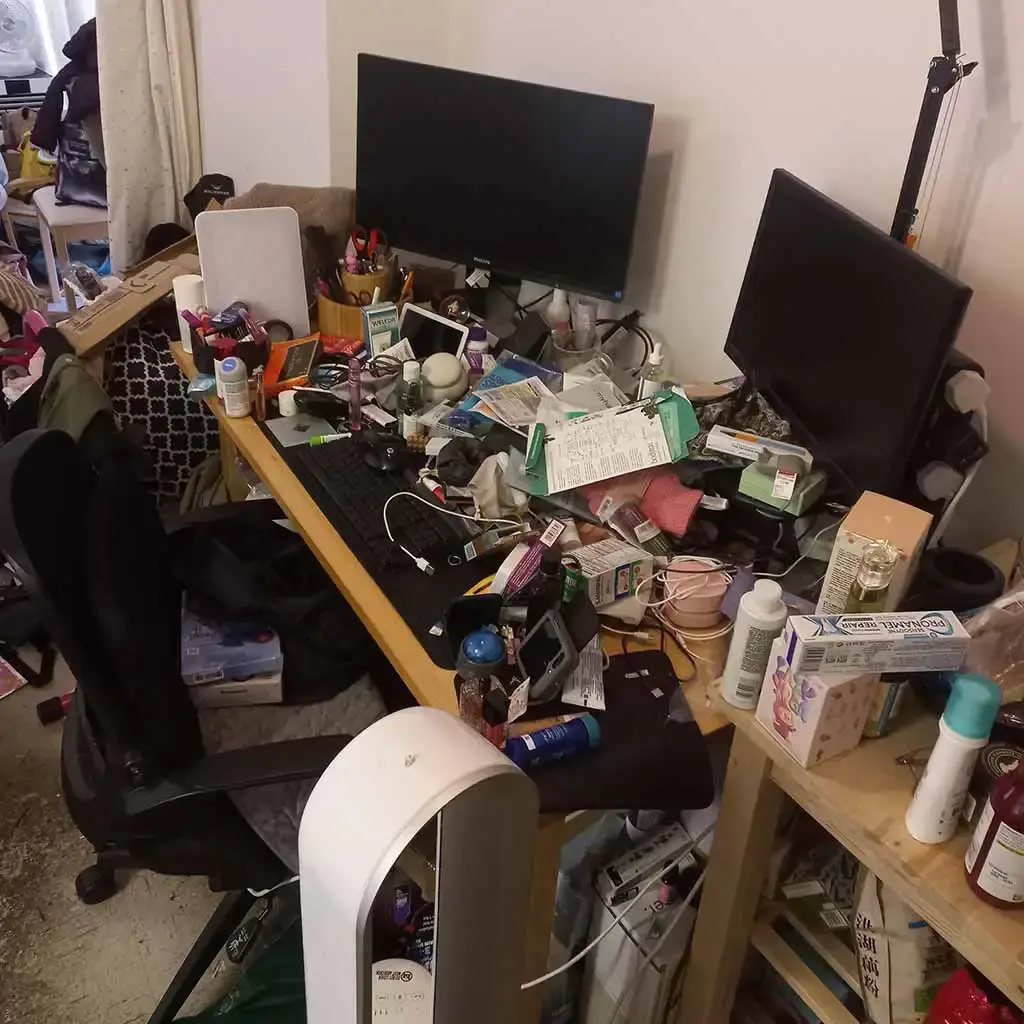
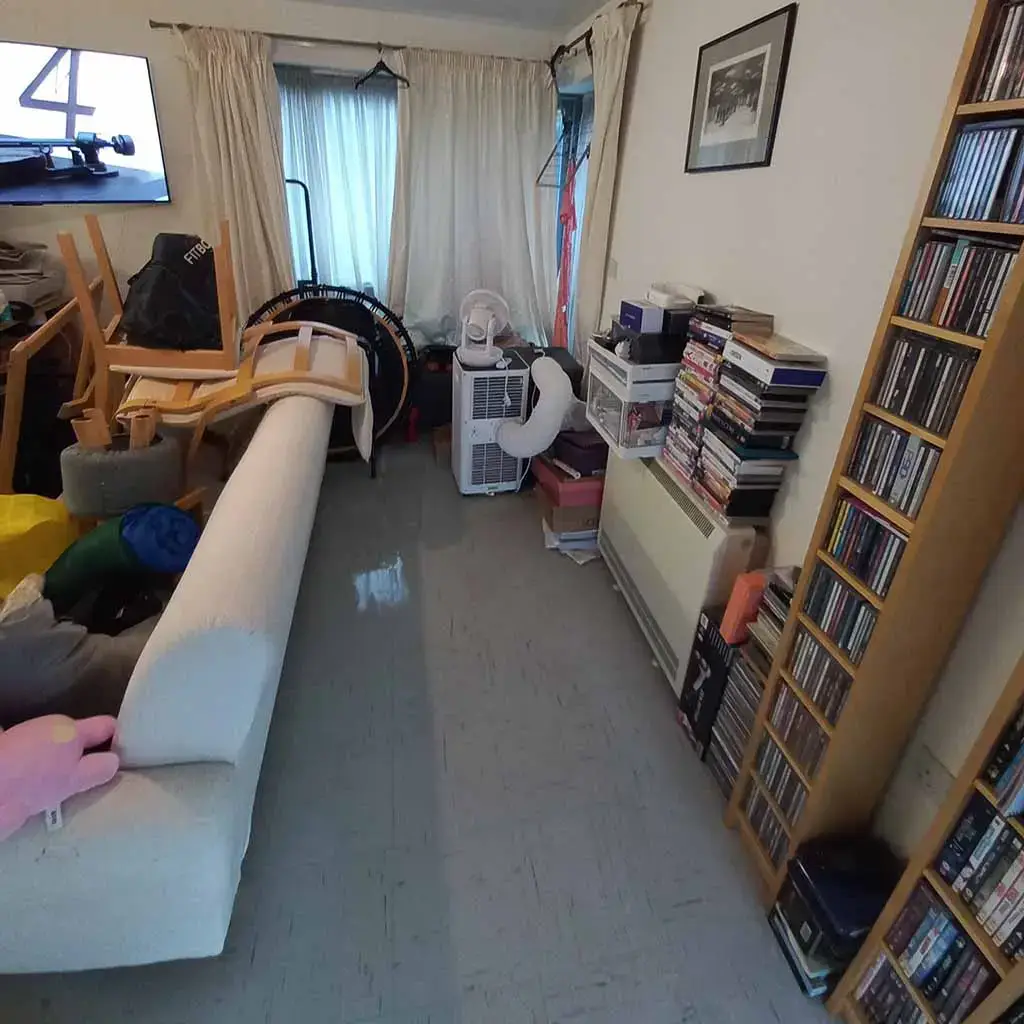
A family in Gateshead contacted Ideal Response after long-term hoarding had left a relative’s home heavily cluttered and increasingly difficult to use. Narrow routes through accumulated belongings were restricting movement between rooms, while the volume of material meant potential contamination and other hazards could remain hidden beneath the hoard.

The family needed the property cleared, but the response could not be treated as a simple bulk-removal exercise. Priority areas had to be agreed, access needed to be opened progressively and the occupant’s requirements had to remain central to decisions about how the property was cleared.

Ideal Response used a phased approach, working through priority rooms and removing a van load of waste during each visit. Once sufficient access had been created, the exposed areas were professionally cleaned and treated, with ULV antimicrobial fogging used as the final hygiene stage.

Inside a heavily hoarded house in Gateshead
Location
Gateshead, Tyne and Wear
Approach
Phased Clearance
Service
Hoarder Cleaning
Sector
Residential

The first challenge was creating safe access

Project insight

This project demonstrates why the order of work matters in a heavily cluttered property. Cleaning cannot properly address surfaces that remain buried beneath accumulated contents, while aggressive bulk clearance can overlook the needs of the people involved. Creating access first, agreeing priorities and allowing hygiene cleaning to follow the clearance produced a more controlled route through the property.

The family’s priorities shaped the order of clearance

Why the work was split into phases

Cleaning started as the hoard stopped hiding the surfaces

From restricted rooms to usable space

Access comes before decontamination

Related information

Hoarder CleaningSpecialist Cleaning

Need urgent help?

Call our team 24/7 on 0800 088 4170.

Send an Enquiry

Long-term accumulation had reduced the usable space within the property and created narrow routes between areas. Before the team could progress with wider clearance and cleaning, those access restrictions needed to be addressed in a controlled way.

Working progressively also reduced the need to move large volumes of material through already restricted spaces at once. Opening the property in stages created safer working routes and gave the team better access to areas that had previously been hidden by the hoard.

Hoarder cleaning is rarely just a question of what can be removed fastest. The family had specific requirements for the property, so the team worked with them to identify priority areas and progress the clearance accordingly.

This helped keep the project structured while respecting the personal nature of the contents. It also meant that progress could be concentrated where it would make the greatest practical difference first.

The volume of material meant the property could not realistically be treated as a single rapid clearance. A full van load of waste was removed during each visit, with the team returning to continue the work and progress the remaining areas.

That phased approach gave the clearance a defined rhythm: create access, work through the agreed area, remove the waste generated and then continue into the next priority space.


Removing accumulated contents exposed areas that had previously been inaccessible for routine cleaning. Once those surfaces could be reached, the project moved beyond clearance into hygiene cleaning and decontamination.

Professional cleaning was followed by ULV antimicrobial fogging as the final treatment stage. The fogging complemented the physical cleaning carried out once the surfaces were accessible.


The methodology followed the physical reality of the property rather than treating clearance and cleaning as separate, one-off tasks. Restricted access was opened progressively, priority areas were cleared in agreement with the family and waste was removed in manageable loads. As previously hidden surfaces became accessible, the team could move into the cleaning and hygiene stage. ULV antimicrobial fogging then formed the final treatment step after the physical clearance and cleaning had created the conditions for it to be used effectively.

The phased programme removed the accumulated waste and opened the property back up, allowing previously obstructed areas to be accessed and cleaned.

The strongest outcome was not simply that material had left the house. The property moved from an environment dominated by the hoard to one in which the family had usable space and a clearer basis for whatever they chose to do next.


Steve Kiddell
Biohazard Cleaning Specialist
“In a heavily hoarded property, you cannot treat the hygiene problem properly until you can reach the surfaces underneath the contents. The first part of the job is therefore about creating controlled access and working through the hoard methodically. Once those areas are exposed, the cleaning and decontamination stages can actually address the environment that has been hidden.”

Relevant qualification(s): [Insert verified relevant qualification(s) before publication]

Living space full of hoarded items
Early stage of a hoarder clean and organised items

The hoarded property in Gateshead showing the living room before and during the hoarder clean.
