
What is hoarding? A UK guide to understanding and overcoming it
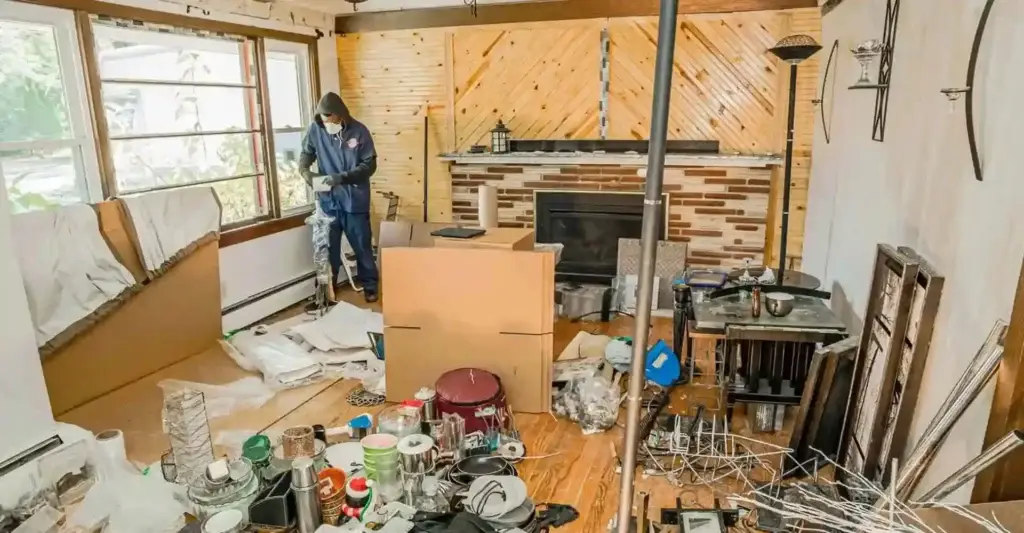
Hoarding touches many lives throughout the UK, it may not always be directly but it could well be through friends and family suffering with the disorder. With so much stigma attached to hoarding disorder it’s important that people have a reliable guide to hoarder to help dispel the negativity and misunderstanding. In this blog we […]
Antiques containing mercury: UK Guide to the hidden dangers
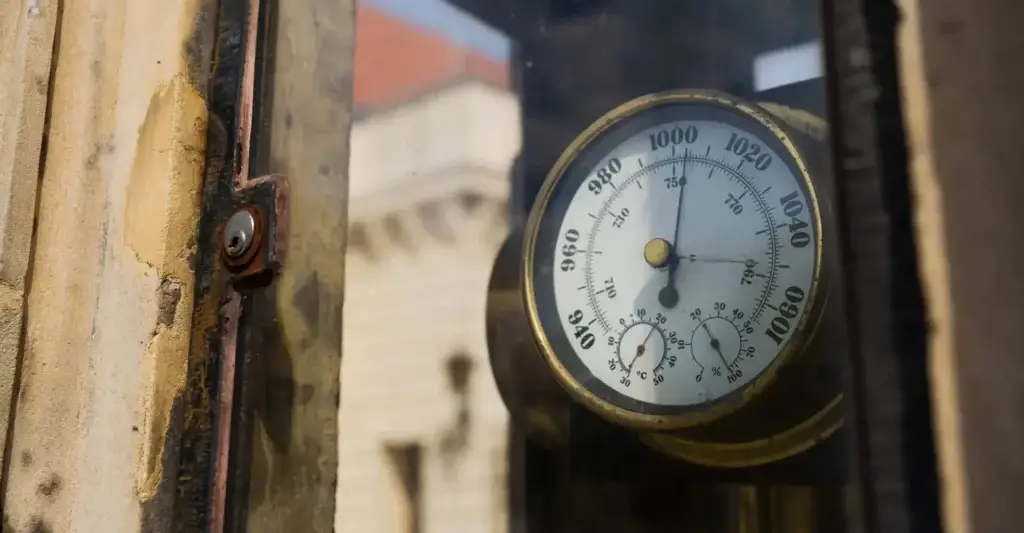
Yes, many older antiques can be a hiding spot for mercury, posing a significant health risk if the substance is released. Common items to check include vintage mirrors (in their silvered backings), old clocks (in the pendulum), and barometers (as the liquid in the column). As a toxic heavy metal, mercury can be dangerous if […]
What is bromine and what are the safe disposal and recycling methods?
Bromine is a highly reactive, toxic, and corrosive halogen element existing as a reddish-brown liquid, used widely in water treatment, flame retardants, and pharmaceuticals. Due to its hazardous nature, bromine is classified as hazardous waste under UK regulations. Safe disposal methods include neutralisation using reducing agents, adsorption with activated carbon, or incineration at licensed facilities. […]
How to effectively deal with a flooded basement in the UK
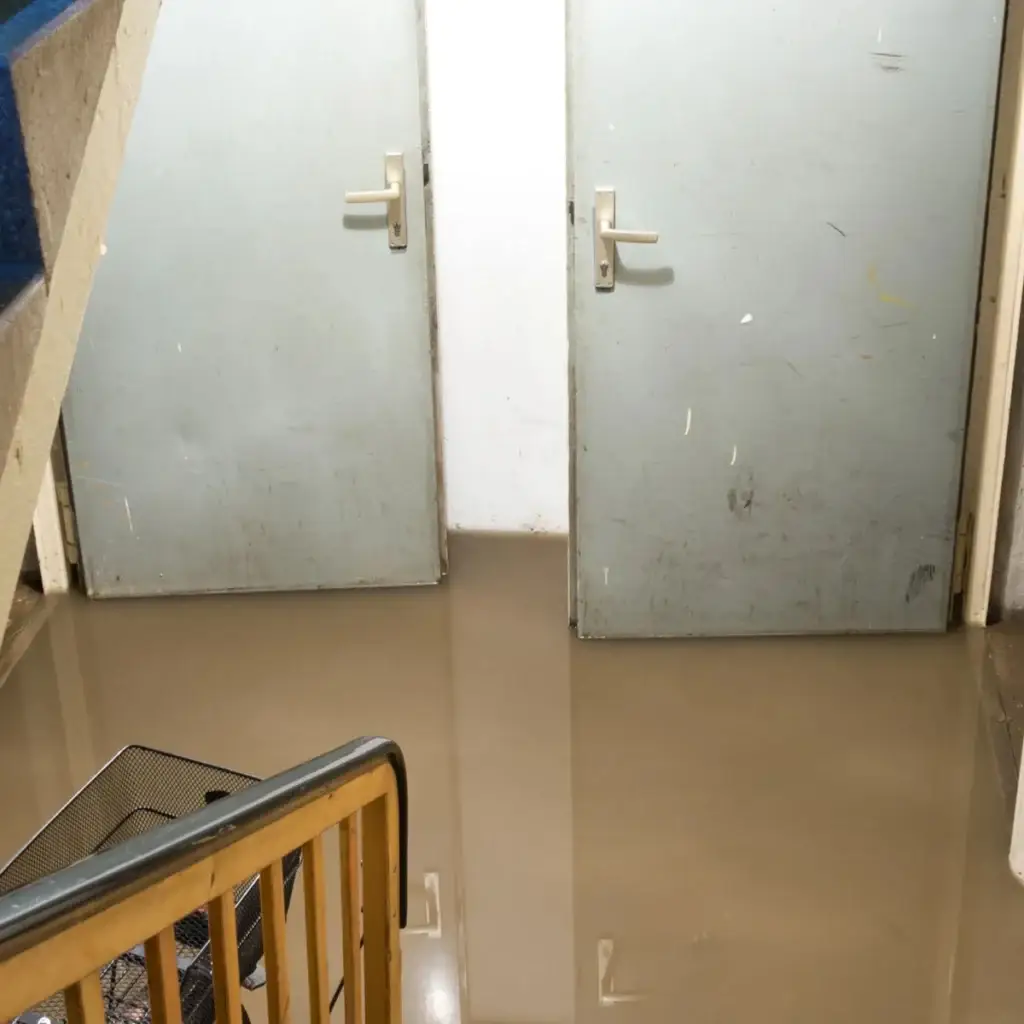
To effectively deal with a flooded basement in the UK, immediate and cautious action is vital to prevent extensive damage. First, prioritise safety: do not enter if water levels are high until electricity is safely turned off. Identify the flood’s cause, then focus on removing water as quickly as possible. For significant or contaminated floods, […]
Ten top tips for preventing property fires in the UK
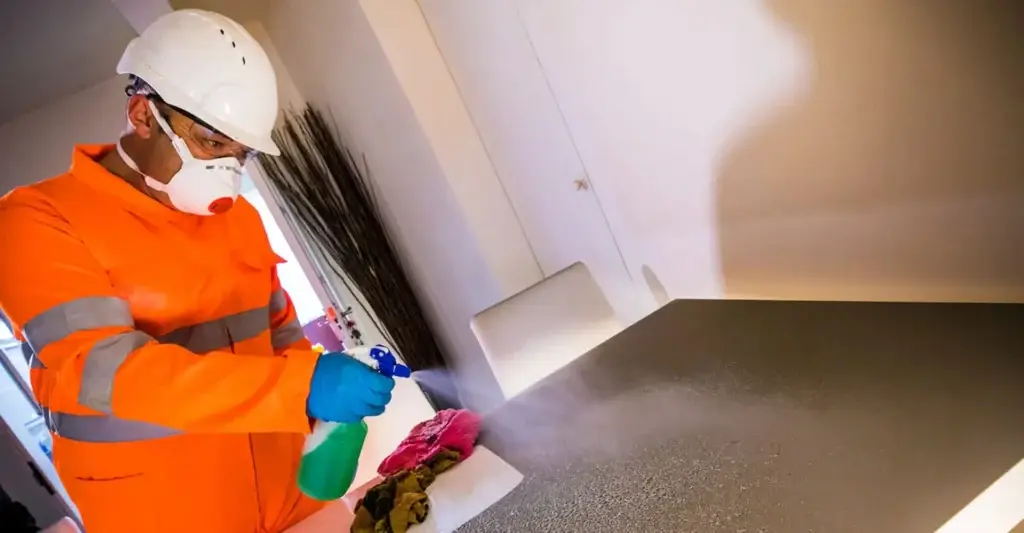
Preventing property fires in the UK is crucial, given thousands of incidents annually, most of which are preventable through proactive measures. Key strategies for fire safety at home or work include regular fire risk assessments and having a clear emergency evacuation plan. Essential equipment like smoke alarms must be installed and maintained, with fire safety […]
How to effectively deal with a fire-damaged property in the UK
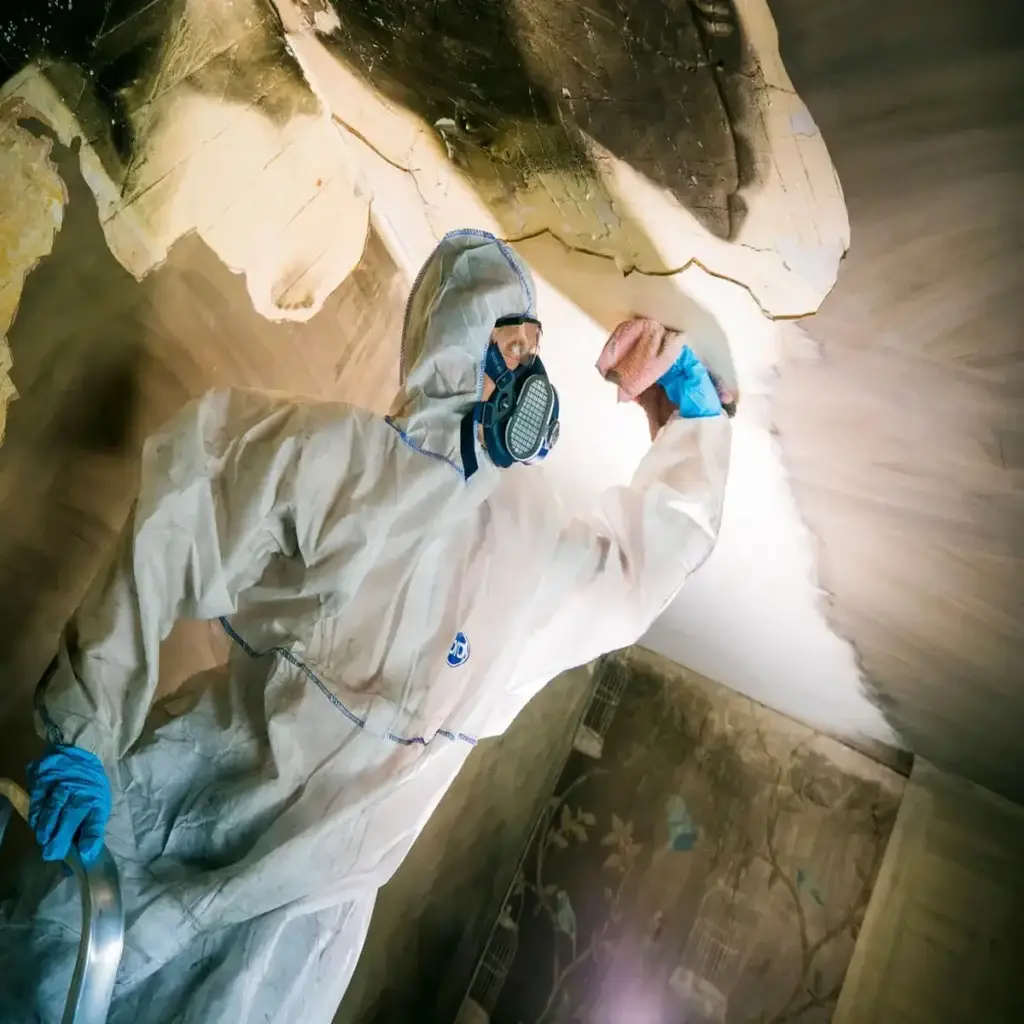
A fire can be a traumatic and devastating event. Once the flames are out, the real work begins. Fire damage extends far beyond what you can see; it includes hazardous soot, corrosive smoke residue, and water from firefighting efforts. Before you re-enter your property, it is absolutely critical to wait for official clearance from the […]
How to get rid of cigarette smell: Complete guide for UK property

Ridding your property of stubborn cigarette smell, caused by persistent ‘third-hand smoke’ residue, requires thorough effort. Begin by ensuring good ventilation (opening windows and using fans) and placing baking soda or activated charcoal to absorb odours. A crucial step is deep cleaning all surfaces: wash walls, ceilings, and hard floors with appropriate cleaners, and steam […]
Efflorescence: The salty deposits affecting your UK property

Efflorescence refers to white, powdery salt deposits commonly found on brickwork, stone, or concrete, affecting over 60% of UK buildings, particularly new ones, due to our wet climate. It forms when soluble salts within building materials are dissolved by moisture (such as rain, groundwater, or condensation) and then crystallise on the surface as the water […]
Classification of fire in the UK: Causes, dangers & extinguishers

In the UK, fires are classified into six distinct categories to determine the most effective extinguishing method: Class A fires involve solid combustibles like wood and paper, best tackled with water or foam; Class B fires are fuelled by flammable liquids such as petrol, requiring foam, CO2, or dry powder; Class C fires involve flammable […]
Fuel & oil storage regulations in the UK: Expert guide to compliance
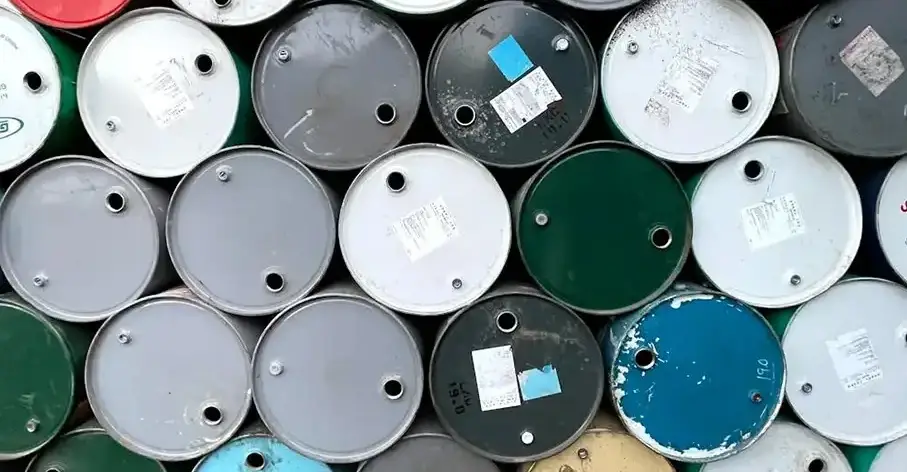
UK fuel oil storage regulations are crucial guidelines for safely storing oil at homes, businesses, and farms, primarily to prevent pollution and ensure environmental protection. While specific rules vary by premises and quantity, key requirements generally include compliance with building regulations, using approved tanks, and most importantly, implementing secondary containment systems (bunds) capable of holding […]