Available 24/7 | 0800 088 4170

Available 24/7 | 0800 088 4170
Key Takeaways: Immediate action & compliance
Whether it is a leak from a domestic heating tank or a commercial vehicle incident, cleaning up oil spills is a high-stakes task that requires a balance of immediate containment and technical decontamination. Oil is a “persistent” pollutant, meaning it does not evaporate or dissipate naturally, it migrates, penetrates, and contaminates. The only way to ensure it’s complete remediation is with professional oil spill removal and decontamination.
Skip to:
What are the most common causes of oil spills?
What should you do immediately after an oil spill?
Can you remove oil from porous surfaces?
Why is professional oil spill remediation vital?
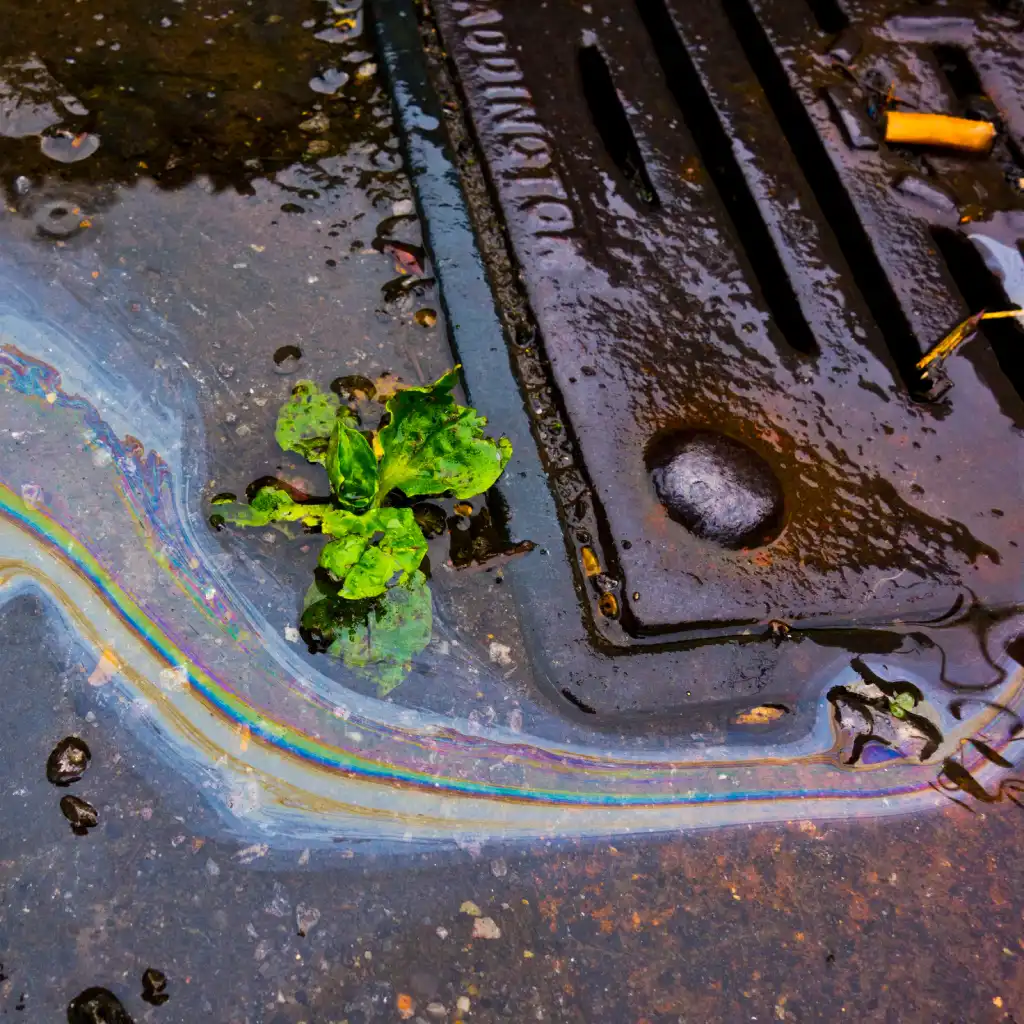
In the UK, oil spills typically originate from three primary sources. Understanding the source is vital for determining the appropriate remediation strategy:
Identifying the causes of oil spills in the home early can often prevent a minor leak from becoming an environmental crisis. Understanding these primary causes of oil spills also allows for the prevention of them. By ensuring that systems are in place and equipment is always professional maintained, you can drastically reduce the chances of an oil spill incident occurring, both at home and in commercial premises.
The priority is containment. Every minute the oil remains standing, it is sinking deeper into the ground or masonry.
For a detailed step-by-step on the first 24 hours, refer to our what to do after an oil spill guide. You can also check out one of our oil spill case studies to see what the oil spill cleaning process looks like from beginning to end. Visit our Rapid Oil Spill Remediation case study, you can read through it or watch our in-depth video case study.
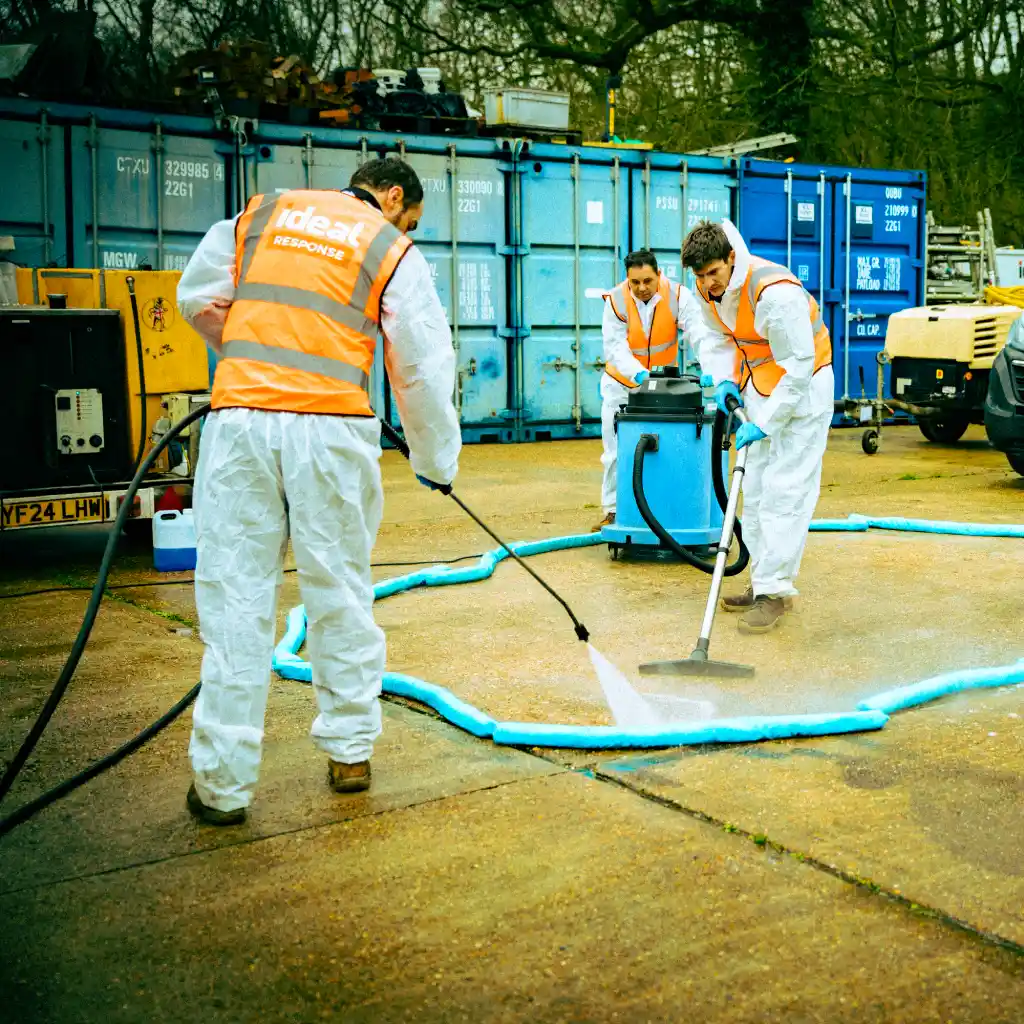
A common mistake is attempting to wash oil away with a hose. This actually thins the oil and allows it to penetrate deeper into the sand and sub-base of the paving.
Effective oil removal from driveways requires:
Cleaning up oil spills is not just about removing the visible stain; it is about environmental safety and structural protection. Oil is highly acidic and can degrade the binders in tarmac or weaken the mortar in brickwork over time.
Furthermore, property owners must adhere to strict oil storage regulations in the UK to prevent future incidents. Professional remediation provides the “Duty of Care” documentation and waste transfer notes required to prove the site has been returned to a safe state. For a comprehensive overview of the technical process, see our ultimate oil spill guide.
Check out our Rapid Oil Spill Remediation for Cennox case study to see why cleaning up oil spills is a staple of Ideal Response. We have been carrying out oil spill remediation services across the UK for over 20 years.
The complexity of oil spill cleaning lies in the invisible migration of the fuel. By acting quickly and utilising professional-grade enzyme solutions, you can avoid the catastrophic costs of deep soil excavation and potential legal fines.
Contacting Ideal Response for oil spill cleaning
As we have established throughout this article, time is of the essence when it comes to oil spill remediation. Every second counts. That’s why Ideal Response operates 24/7, 365 days a year, ensuring that when you need emergency oil spill cleaning our teams of certified experts are always available.
Facing an urgent spill? Contact Ideal Response for 24/7 emergency support and certified environmental remediation.

Chris Hedges is Head of Marketing at Ideal Response and the author of every article published on this site. With over 25 years of senior marketing experience across property, legal, and professional services sectors, Chris brings a clear, evidence-led approach to writing about fire damage, flood restoration, and specialist property remediation. His philosophy is simple: cut through the noise, respect the reader's time, and give people the information they actually need.
Explore more articles about damage restoration, specialist cleaning and what we do