Hoarding disorder is a complex psychological condition that goes far beyond simply being “untidy” or having a cluttered home. It is often a silent struggle, where the accumulation of items becomes so overwhelming that it compromises the safety and functionality of a living space.
Understanding the hoarding signs and symptoms is the first step toward seeking help, whether for yourself or a loved one. In this guide, we explore the red flags to look for and the professional path toward restoration.
Skip to:
What defines hoarding disorder?
Hoarder cleaning vs. decluttering
The risks of unaddressed hoarding
What defines Hoarding Disorder?
Before diving into the symptoms, it is important to understand the context. Hoarding is officially recognised as a mental health condition. Unlike a hobbyist who collects specific items (like stamps or coins), a person with hoarding disorder finds it incredibly difficult to part with items regardless of their actual value.
For a deeper look at the legal and clinical definitions in the UK, refer to our complete UK guide to hoarding. Alternatively, you can read one of our hoarding case studies and get a better grasp of what professional hoarder clean-up looks like. Check out our Compassionate Hoarder Clean-up in Gateshead or Major Hoarder Clean-up Service case studies to learn more.
Primary hoarding signs and symptoms
The symptoms of hoarding usually develop over time and can be categorised into emotional, behavioural, and physical signs within the home.
1. Inability to discard possessions
The most prominent symptom is a persistent difficulty discarding or parting with possessions. This is driven by a perceived need to save items or the intense distress associated with throwing them away.
2. Excessive acquisition
Many individuals struggle with “compulsive buying” or acquiring free items (such as flyers or discarded furniture) that they do not have space for.
3. Loss of living space
A key physical sign of hoarding is when rooms can no longer be used for their intended purpose. For example:
Beds that cannot be slept in.
Kitchens where the stove or sink is inaccessible.
Hallways that are blocked, creating significant fire risks.
4. Social isolation and functional impairment
Hoarding often leads to reclusive behaviour. An individual may stop inviting friends or family over due to shame, or they may prevent tradespeople from entering the home to perform essential repairs.
Hoarder cleaning vs. Decluttering
It is a common mistake to confuse hoarding with heavy clutter. However, the approach to solving these issues is vastly different. While decluttering is an organisational task, hoarding requires a specialist, empathetic approach that considers the psychological state of the occupant.
Understanding the difference between hoarder cleaning vs. decluttering is vital to ensure you don’t cause further trauma to the individual involved. To get a better understanding of what a professional hoarder clean is, visit our Major Hoarder Clean-up case study.
The risks of unaddressed hoarding symptoms
If hoarding signs are ignored, the environment can quickly become hazardous. Common risks include:
Biohazard risks: Trapped moisture, pest infestations, and mould growth.
Structural damage: The weight of accumulated items can strain floor joists.
Fire hazards: Blocked exits and flammable materials near heat sources.
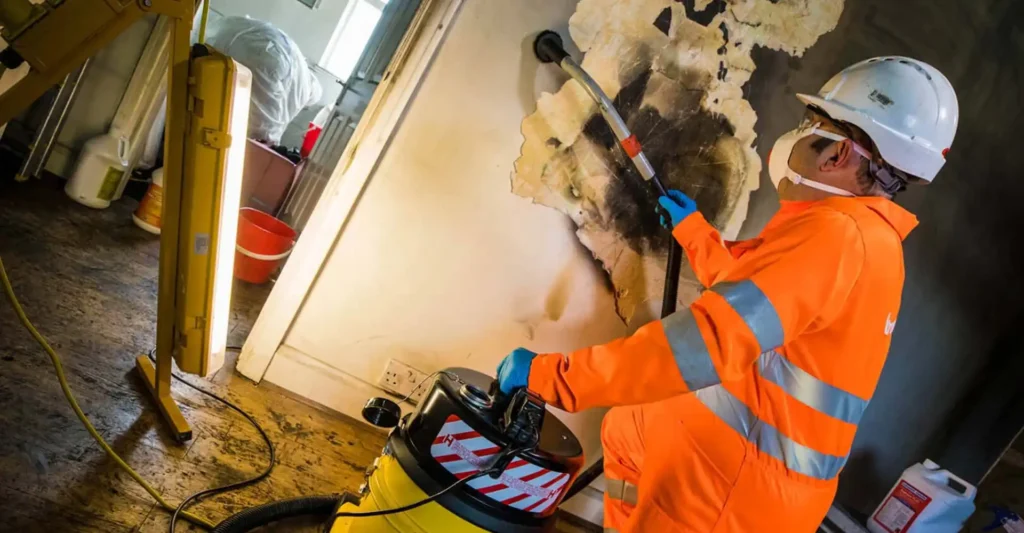
In cases where the environment has become dangerous, specialist hoarder remediation is required to safely remove biohazards and restore the home to a habitable state.
How hoarding impacts your health and safety
While hoarding is often associated with clutter, the physical impact on a living environment can lead to serious health and safety concerns. Over time, an overwhelmed home stops being a safe haven and begins to pose risks to the occupants and the property itself.
Air quality and respiratory health
When large volumes of items are kept in a confined space, air circulation is restricted. This leads to a build-up of dust, allergens, and moisture.
-
Dust and allergens: Accumulated items trap high levels of dust and pet dander, which can trigger asthma or other breathing difficulties.
-
Mould growth: Moisture trapped behind stacks of items can lead to hidden damp and mould growth, further affecting the air you breathe. Visit our Mould Toxicity Symptoms blog to learn more.
Biohazards and hygiene
In more severe cases, it becomes difficult to maintain basic hygiene. This can introduce biohazards into the home that require professional specialist cleaning to resolve.
-
Pest infestations: Clutter provides ideal nesting spots for rodents and insects, which can carry bacteria and diseases.
-
Sanitary issues: If access to kitchens or bathrooms is blocked, it can lead to the build-up of food waste or other organic matter, creating a high-risk biological environment.
Physical safety and fire risks
The physical structure of a hoarded home presents daily hazards that increase the risk of accidents.
-
Trip and fall hazards: Narrowed walkways and unstable stacks of items make it much easier to trip or suffer an injury from falling objects.
-
Fire safety: Hoarded materials act as fuel, allowing a fire to spread much faster than usual. Furthermore, blocked exits can make it incredibly difficult for occupants to escape or for emergency services to enter the building.
Taking the first step & seeking help
Identifying the symptoms is the catalyst for change. Once an individual is ready to move forward, the process must be handled with care, methodology, and respect.
We recommend following a structured approach to ensure the safety of everyone involved. You can view our step-by-step guide to hoarder cleaning to see how a professional team manages the transition from a hoarded environment to a clean, safe home.
The importance of seeking professional help cannot be stressed enough. Both for the psychological side as well as the cleaning. Hoarder cleaning an immediate problem but doesn’t help to heal the root of the issue. Seeking support groups, therapy or counselling could be the path to a long-term resolution. For help with the cleaning and remediation you can contact our team today and we can help your reclaim your home in no time at all.
Call our emergency response team 0800 088 4170
Hoarding signs and symptoms FAQs
What are the 5 stages of hoarding?
The hoarding scale typically ranges from Level 1 (minor clutter, no functional impairment) to Level 5 (severe structural damage, blocked exits, and presence of biohazards). Identifying which stage a property is in is crucial for determining whether standard cleaning or professional hoarder remediation is required.
What is the difference between collecting and hoarding?
The primary difference lies in organisation and functionality. Collectors typically take pride in their items, keep them organised, and display them. Hoarding is characterised by disorganised accumulation that results in the loss of living space and causes significant distress or functional impairment.
What are the first signs of hoarding disorder?
The earliest signs often include difficulty deciding what to keep, extreme anxiety when attempting to discard junk mail or containers, and the gradual accumulation of items on surfaces like dining tables or spare beds until they are no longer usable.
Is hoarding a mental illness or a habit?
Hoarding is officially classified as a mental health disorder in the DSM-5 and by the NHS. It is not simply a “bad habit” or “laziness,” but a complex psychological condition often linked to anxiety, depression, or past trauma.
How do you help someone with hoarding symptoms?
Helping a hoarder requires empathy rather than judgment. Avoid clearing the home without their permission, as this can cause severe psychological trauma. Instead, encourage professional support and consult a step-by-step guide to hoarder cleaning to understand the sensitive nature of the process.
Why is hoarding considered a biohazard?
Hoarding becomes a biohazard when the volume of items traps moisture (leading to black mould), attracts pests (infestations), or conceals rotting food and animal waste. In these instances, standard cleaning is insufficient and specialist decontamination is required to make the air quality and environment safe again.

Tahlia Ibrahim - Delivery Manager
Tahlia has over four and a half years of in-depth experience across various facets of the disaster recovery industry. Having progressed through roles in marketing and sales to her current position, Tahlia possesses a comprehensive understanding of the entire business operation, from initial client contact to meticulous service delivery. A certified BioSweep Specialist, she excels in advanced odour elimination techniques, ensuring thorough restoration.