
In 2026, the landscape of rented housing in the UK is shifting in ways that landlords and tenants cannot afford to ignore.
The Renter’s Rights Act 2026 (part of the wider Renters (Reform) Bill) introduces obligations that bring damp and mould from the margins of property management to its legal centre. The legislation doesn’t just encourage good practice; it sets clear expectations and potential consequences for those who fail to act.
For years, renters have complained that mould is too often dismissed as cosmetic or blamed on lifestyle. The new Act challenges that perspective and reshapes how damp and mould must be managed across the private rented sector.
This blog explains what the Renter’s Rights Act 2026 means in practice, its close connection to mould and damp, and why it matters for landlords, tenants and property professionals.
Skip to:
Mould as a legal risk, not just an aesthetic problem
What the Renter’s Rights Act 2026 requires
Why mould is being treated as a priority
How landlords should respond: Practical steps
When mould needs specialist intervention
What happens if a landlord fails to act
Mould as a legal risk, not just an aesthetic problem
Mould is not just ‘unsightly,’ but it can signal underlying moisture problems that affect both the fabric of the building and human health.
In the UK:
- According to recent surveys, approximately 25% of privately rented homes report visible mould or damp issues.
- Health research suggests that damp and mould exposure can increase the risk of respiratory conditions, especially in children and older adults.
These statistics are not abstract. They are the reason policymakers are treating damp and mould as more than a maintenance concern, they are now a legal risk.
Under the Renter’s Rights Act 2026, landlords must demonstrate not only that they have responded to complaints, but that they have properly investigated and resolved root causes of mould and damp in a timely and documented way.
What the Renter’s Rights Act 2026 requires
The Act introduces key changes to how mould must be viewed in the rented sector:
1. Defined timescales for action
Landlords are expected to act quickly when damp or mould issues are reported. ‘Reasonable delay’ is no longer sufficient, and responses must be prompt, with clear evidence of investigation.
2. Duty to investigate, not just treat surfaces
Mould remedied with surface cleaning alone will not satisfy legal expectations. Landlords must identify and fix the underlying cause, whether condensation, leaks, rising damp or ventilation issues.
3. Documentation and evidence
Landlords must retain records that demonstrate a robust response, including:
- Investigation reports
- Moisture assessments
- Repair histories
- Communication logs with tenants
This shift means landlords cannot hope it goes away; they must prove they acted reasonably and effectively.
The tenant’s perspective
For tenants, the Act provides assurance that mould and damp are taken seriously:
- Complaints cannot be ignored or brushed off as ‘condensation from cooking’
- Persistent issues must be logged and addressed within legal timeframes
- Tenants have strengthened standing to escalate concerns to local authorities
For many renters, this is a welcome change after years of frustrations and health impacts blamed on lifestyle rather than building defects.
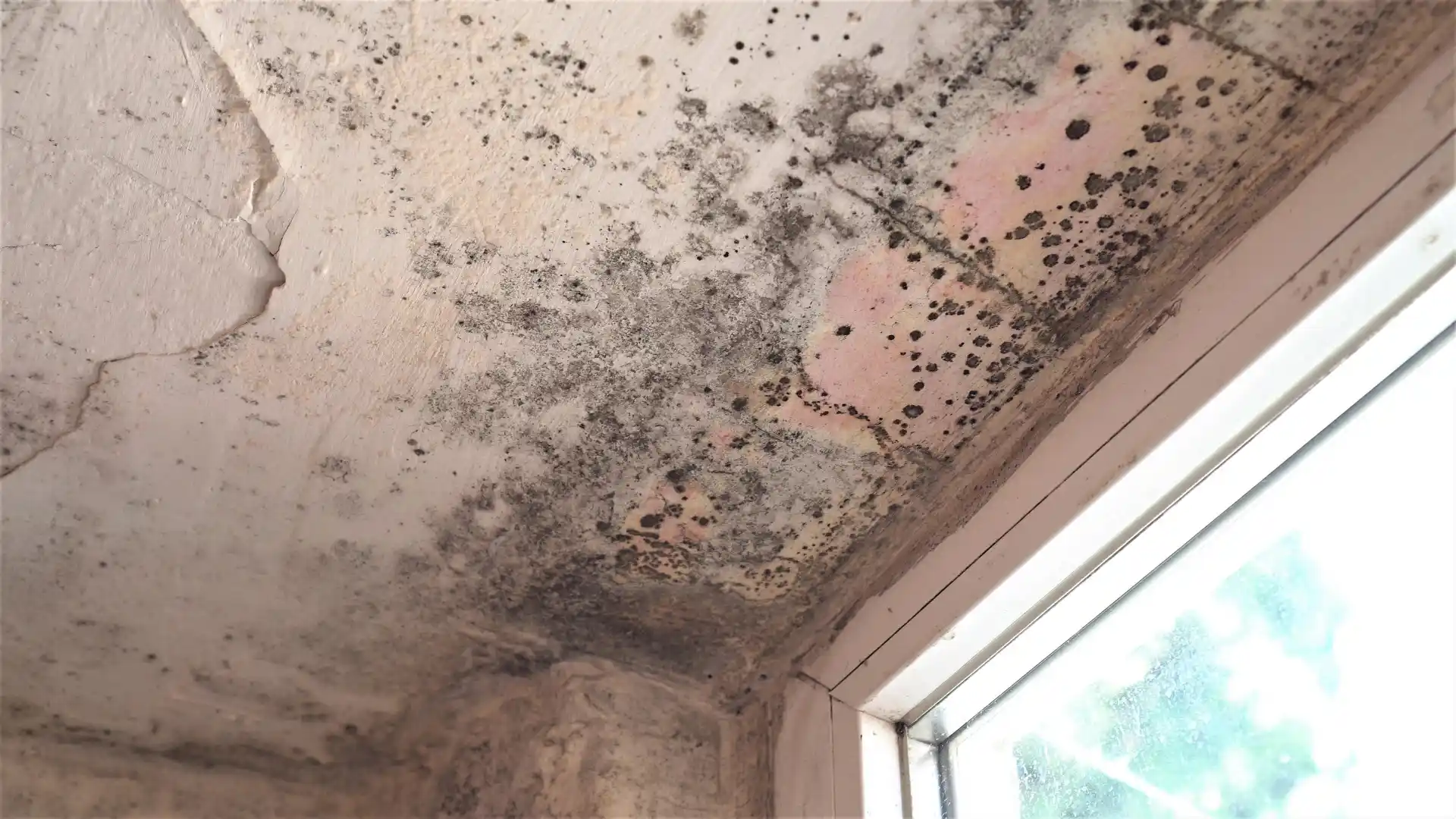
Why mould is being treated as a priority
There are three main drivers behind the policy shift:
1. Health evidence
Research links damp and mould exposure to asthma exacerbation and respiratory infections, particularly in vulnerable groups.
2. Widespread complaints
Data shows that damp and mould are among the top housing disrepair issues reported in the private rented sector.
3. Legal precedents
Case law increasingly holds landlords accountable for failure to manage moisture hazards, not just cosmetic issues.
In 2025 alone, local authorities issued thousands of enforcement notices related to serious damp hazards.
How landlords should respond: Practical steps
To comply with the Renter’s Rights Act 2026, landlords should:
- Actively monitor complaints and follow up promptly
- Commission professional mould surveys rather than cosmetic fixes
- Identify moisture sources before remediation
- Document all investigations and actions
- Involve specialists when causes are unclear or complex
This is not simply good housekeeping, it’s legal risk management.
When mould needs specialist intervention
Not all mould can be resolved by airing out rooms or wiping surfaces. Professional intervention is usually needed when:
- Mould recurs after cleaning
- The cause is unknown or complicated
- There are signs of structural moisture ingress
- The property has a history of leaks or damp patches
This is where professional mould surveys and remediation provide evidence of compliance and fix the source, not just the symptom.
Read our Mould remediation & Structural Drying case study to learn more.
What happens if a landlord fails to act
Under the Renter’s Rights Act 2026, enforcement tools include:
- Improvement notices from local authorities
- Civil penalties
- Rent repayment orders
- Claims linked to health impacts
Ignoring mould issues is not just poor customer service, it now exposes landlords to legal and financial consequences.
A shift in mindset: From maintenance to compliance
For too long, mould and damp have been treated as minor property issues. The Renter’s Rights Act 2026 changes that mindset and places mould firmly within the category of legal responsibility.
The era of ‘temporary fix and hope it goes away’ is over.
Landlords and property professionals must now invest in:
- Proper investigation
- Long-term remediation
- Clear documentation
…not just surface cleaning.
Conclusion: Mould in 2026: A legal priority
The Renter’s Rights Act 2026 marks a significant evolution in how rented housing in the UK is regulated.
For landlords, it means:
- Faster response expectations
- Higher standards of investigation
- Legal accountability for moisture-related hazards
For tenants, it means:
- Greater assurance that mould issues will be taken seriously
- Clear avenues for escalation
- Better protection for health and home
Mould is no longer just a cosmetic complaint, it’s a legal obligation.
To prepare for these changes, landlords should engage professionals who understand mould cleaning and removal early, document thoroughly, and approach mould and damp remediation with the seriousness it now requires.
If you are a landlord or letting agent needing specialist mould investigation or remediation support, contact Ideal Response’s mould team today.
Renter’s Rights Act 2026 & Mould FAQs
Does the Renter’s Rights Act 2026 make landlords legally responsible for mould?
Yes. The Act strengthens expectations that landlords must investigate and resolve damp and mould hazards properly and promptly. Mould is now treated as a potential housing health risk, not a cosmetic issue, and landlords must be able to demonstrate reasonable action and evidence of remediation.
How quickly must landlords respond to mould complaints in 2026?
Landlords are expected to act without unreasonable delay. While specific timescales may vary depending on severity, urgent mould issues affecting health should trigger immediate inspection and documented action. Delay can increase enforcement risk.
Can landlords still blame mould on tenant lifestyle?
Not without proper investigation. Simply attributing mould to condensation or tenant behaviour is no longer sufficient. Landlords must assess ventilation, insulation, structural issues and moisture sources before reaching conclusions.
Failure to investigate thoroughly may expose landlords to enforcement action.
What evidence should landlords keep to protect themselves?
Landlords should retain:
- Inspection reports
- Moisture readings
- Photographic evidence
- Repair invoices
- Communication records
- Specialist survey reports where appropriate
In 2026, documentation is as important as the repair itself.
Can tenants take legal action over mould?
Yes. Tenants can escalate complaints to local authorities and may pursue claims if mould impacts health or habitability. Courts increasingly consider whether landlords acted promptly and reasonably.
Will local councils be enforcing mould complaints more strictly?
Yes. The Act strengthens enforcement culture across the private rented sector. Local authorities already treat damp and mould as Category 1 hazards under the Housing Health and Safety Rating System (HHSRS), and scrutiny is increasing.
Does professional mould remediation help landlords comply?
Absolutely. Commissioning an independent mould survey and documented remediation demonstrates that the landlord has taken expert advice and addressed the root cause and not just cleaned the surface.
This can significantly reduce legal and financial exposure.
What are the financial risks of ignoring mould in 2026?
Potential consequences include:
- Civil penalties
- Improvement notices
- Rent repayment orders
- Legal costs
- Compensation claims
- Reputational damage
Ignoring mould can cost far more than resolving it properly.
Does the Renter’s Rights Act 2026 apply to small or accidental landlords?
Yes. The Act applies across the private rented sector, regardless of portfolio size. Even single-property landlords must meet the same compliance standards.
What is the biggest mistake landlords will make in 2026?
Treating mould as a cleaning issue instead of a compliance issue.
The legal landscape has changed. Landlords who fail to shift their mindset from reactive maintenance to documented risk management may find themselves exposed.

Chris Hedges - Head of Marketing
With over 25 years' experience, Chris is adept at defining and driving strategy, while also enjoying hands-on operational delivery. He believes in an equal blend of creativity and analytical scrutiny, always finding inventive ways to achieve objectives, underpinned by evidence. Chris’s philosophies are simple: don't overcomplicate, always prioritise customer experience, and bend the rules just enough to cut through the noise and drive momentum and growth.