Available 24/7 | 0800 088 4170

Available 24/7 | 0800 088 4170
The UK's weather has become increasingly severe. Storms Babet, Ciaran, and Henk caused an estimated £573 million in insured losses in the winter of 2023–24 alone, according to the Association of British Insurers (ABI). Thousands of homeowners and business owners were left dealing with structural damage, flooding, and unsafe properties - often with no clear idea of what to do first.
This guide covers everything you need to know about storm damage restoration in the UK: the immediate steps to take, what types of damage to look for, how the restoration process works, and how insurance fits in.
Skip to:
What counts as storm damage in the UK?
What to do immediately after storm damage
What does storm damage restoration involve?
Storm damage vs Flood damage: Key differences
Storm damage insurance in the UK: What you need to know
How long does storm damage restoration take?
Storm damage and mould: A risk that is often underestimated
Choosing a storm damage restoration company
FAQs
Storm damage refers to physical damage to a property caused directly by extreme weather conditions. UK insurers and restoration professionals typically recognise the following as storm damage:
| Damage Type | Common Causes |
|---|---|
| Roof damage | High winds, falling debris, tiles displaced |
| Structural damage | Storm-force winds, subsidence triggered by saturation |
| Flooding / water ingress | Heavy rainfall, overflowing drains, surface water |
| Window and door damage | Wind pressure, flying debris |
| Fence and outbuilding damage | Wind speeds above 40 mph |
| Fallen trees through property | Root saturation combined with wind |
| Chimney stack collapse | Wind damage to ageing or weakened stacks |
The UK Met Office classifies wind speeds above 39 mph (Beaufort Scale Force 8) as a gale. Most insurers require evidence of wind speeds at or above this threshold to validate a storm damage claim - though criteria vary between policies.
The first 24–48 hours after a storm are critical. Acting quickly reduces the risk of secondary damage - particularly water ingress, structural movement, and mould growth.
Do not re-enter a property that has structural damage, exposed electrical wiring, or gas leaks until it has been assessed as safe by a professional. If you smell gas, call National Gas Emergencies on 0800 111 999 immediately.
Take photographs and video of all visible damage before any clearance or temporary repairs begin. This documentation is essential for your insurance claim. Capture wide shots for context and close-ups for detail.
Temporary repairs - such as boarding up broken windows, covering roof damage with tarpaulins, or removing debris blocking drainage - are usually acceptable under most insurance policies and should be carried out promptly to limit further damage. Keep all receipts.
Contact your home or commercial property insurer as soon as possible after the storm. Most policies require you to report damage within a reasonable timeframe. Ask specifically about emergency make-safe cover and whether you need to use an insurer-approved contractor.
For anything beyond superficial cosmetic damage, a specialist property restoration company should assess and treat the damage. Storm damage often involves hidden water ingress, structural movement, or contaminated floodwater that requires professional equipment to identify and remediate.
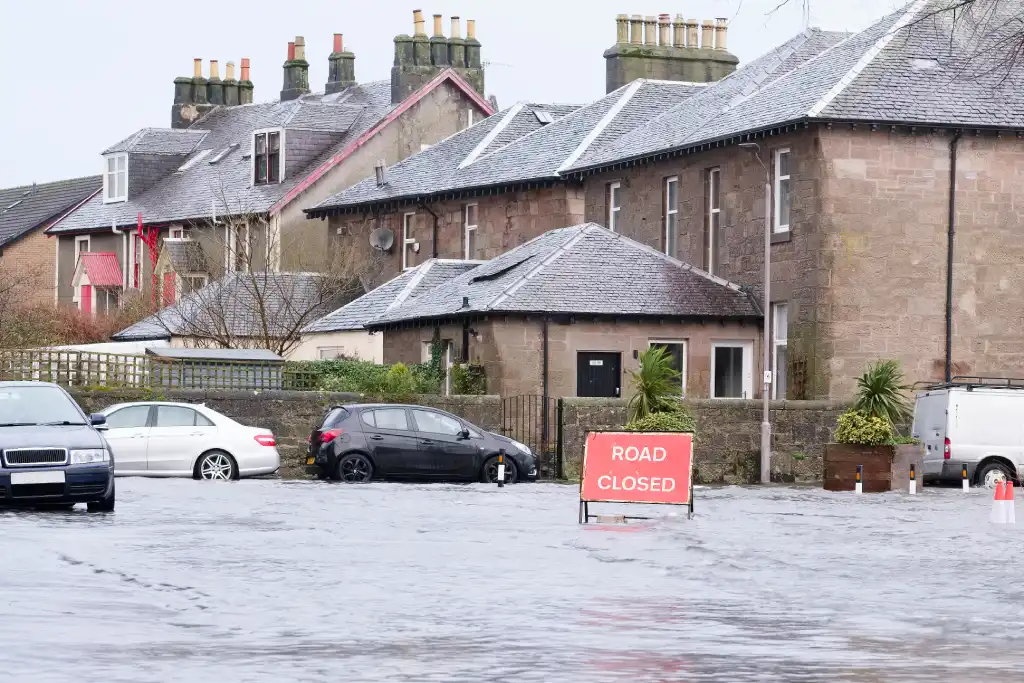
Storm damage restoration is not a single process - it is a staged programme of work tailored to the type and severity of damage. A professional team will typically follow this sequence:
A qualified restoration surveyor will assess the full extent of damage, including hidden moisture behind walls, ceilings, and floors using thermal imaging cameras and moisture meters. This assessment forms the basis of your insurance documentation and the restoration plan.
Where storm-driven water has entered the building, professional structural drying is a priority. Industrial dehumidifiers, desiccant drying systems, and air movers are deployed to draw moisture from the fabric of the building - plasterwork, timber, concrete, and insulation. This process typically takes 7–28 days depending on the severity and materials involved.
Skipping or rushing structural drying is the most common cause of long-term damage after a storm - residual moisture leads to timber rot, mould growth, and structural instability within weeks.
Once the building is dry and safe, structural repairs can begin. This includes roof repairs or replacement, repointing, chimney stack rebuilding, lintel replacement, and any remediation needed to ensure the building envelope is weathertight.
Storm-related water ingress creates ideal conditions for mould growth. If moisture is present for more than 24–48 hours, mould spores can establish in wall cavities, under flooring, and behind plasterboard. Professional mould remediation - not simply cleaning with bleach - is required to prevent recurrence.
With the structure dried, repaired, and free of mould, internal reinstatement can begin: replastering, redecorating, flooring replacement, and the reinstatement of fixtures and fittings. A full restoration project may take weeks to several months depending on the scale of damage.
These terms are often used interchangeably, but they have distinct meanings - particularly in the context of insurance.
| Storm Damage | Flood Damage | |
|---|---|---|
| Cause | Wind, falling debris, structural breach | Rising water, surface water, overflowing rivers |
| Water source | Rainwater forced in by wind | External water entering from ground or drainage |
| Insurance coverage | Usually covered under standard buildings insurance | Often requires separate flood cover |
| Restoration priority | Structural make-safe, then drying | Water extraction, sanitation, then drying |
| Contamination risk | Low to medium | Medium to high (sewage possible) |
If your property has been damaged by both wind and rising water - which is common in severe storm events - your restoration team will need to address both types of damage, and your insurer may require separate assessments for each.
Most standard UK buildings insurance policies cover storm damage that is sudden and caused by an identifiable weather event. This typically includes:
Storm damage claims are frequently disputed or reduced where insurers determine that:
To support a storm damage insurance claim, you will typically need:
A professional restoration company experienced in insurance claims can provide a detailed scope-of-works report that maps directly to insurance requirements, reducing disputes and speeding up settlement.
Timescales vary considerably depending on the type and scale of damage:
| Damage Type | Typical Restoration Time Frame |
|---|---|
| Minor roof damage / broken tiles | 1–3 days |
| Window and door replacement | 1–5 days |
| Structural drying (moderate water ingress) | 7–21 days |
| Structural drying (severe saturation) | 21–42 days |
| Full internal reinstatement | 4–12 weeks |
| Major structural repairs + reinstatement | 3–6 months+ |
Insurance-managed projects can sometimes take longer due to assessment, approval, and tendering processes. If your property is uninhabitable, most policies include alternative accommodation cover - check your policy schedule.
One of the most significant secondary risks from storm damage is mould. When rainwater enters a building and is not fully dried within 24–48 hours, mould colonies can establish in wall cavities, behind plasterboard, under flooring, and within timber structures.
Mould from storm damage is particularly problematic because:
Professional mould remediation following storm damage involves containment, HEPA filtration, anti-fungal treatment, and verification testing - not simply wiping visible growth from surfaces. It's vital to understand the difference between mould removal and mould remediation when and what service you need.

Not all restoration companies are equal. When choosing a contractor to manage storm damage restoration, look for:
Be cautious of contractors who arrive unsolicited after a storm (storm chasers), pressure you to sign work orders before your insurer has been notified, or offer unusually low quotes without a full assessment.

Chris Hedges is Head of Marketing at Ideal Response and the author of every article published on this site. With over 25 years of senior marketing experience across property, legal, and professional services sectors, Chris brings a clear, evidence-led approach to writing about fire damage, flood restoration, and specialist property remediation. His philosophy is simple: cut through the noise, respect the reader's time, and give people the information they actually need.
Explore more articles about damage restoration, specialist cleaning and what we do



If you’re dealing with fire damage, flooding, or an environmental incident, our team is ready to respond. No matter if you have a question or have an emergency that you need help with, call:
If you’d prefer to drop us a message, use our main contact form and upload any pictures of the incident. Would you like us to call you? Fill out the short ‘Request a call back’ form.