Available 24/7 | 0800 088 4170

Available 24/7 | 0800 088 4170
Landlords have a great deal of responsibility when their properties are occupied, but what about when they are vacant? Once a tenancy ends, the gap between that and new tenants occupying it is known as the “void period”, and it can pass by quickly! During this time, it’s a race to get the property up to a safe habitable standard, ready for new tenants to move in. This is when void property cleaning and other legal responsibilities become essential.
In this guide, we look at what void property cleaning is, your responsibilities as a landlord, and when it might be best to use a professional void property cleaning service from Ideal Response.
Skip to:
What is void property cleaning?
Void clean vs end of tenancy clean
Why cleaning between tenancies is important
What are a landlord's legal responsibilities between tenancies
Can a landlord charge a tenant for cleaning after a tenancy?
What does a void property clean involve?
DIY or a professional void property cleaning service?
Void property cleaning is the thorough cleaning of a rental property whilst it sits empty. The result should be that the home is now ready to be lived in again and free from any negative traces the previous tenants may have left behind. It’s an important landlord responsibility and must happen before the new tenants move in, and shouldn’t be confused with the cleaning conducted by a departing tenant when their contract ends.
It’s important to establish that the end-of-tenancy clean and a void property clean are two different things.
| Void property clean | End-of-tenancy clean | |
|---|---|---|
| Who arranges it | Landlord or agent | Outgoing tenant |
| Whenn | While the property is empty, before it is re-let | As the tenant moves out |
| Purpose | Get the property ready to let and compliant | return the home to its original condition |
| Typical scope | Full deep clean, plus any specialist work | Cleaning to the standard set by the inventory |
The two overlap a little. If the tenant does a great job of cleaning the property before they leave, the void clean may be relatively light. If they don’t, the void clean will be considerable and might mean you can claim some costs back from the deposit.
A clean and well-presented property is not just about how good the home looks. It can shape your rental income and your compliance with landlord regulations.

Landlords have many legal responsibilities when the property is both occupied and vacant. Cleaning is only a small part of the picture. Before letting your property again, you’ll have to ensure you fulfil your legal obligations. Failing to do so could result in financial penalties.
Use the void period between tenancies as your chance to get compliant.
| Requirement | How often | Source | Penalty for breach |
|---|---|---|---|
| Gas Safety Record (CP12) | Every 12 months | Gas Safety (Installation and Use) Regulations 1998 | Unlimited fine/prosecution |
| Electrical Installation Condition Report (EICR) | Every 5 years | Electrical Safety Standards in the Private Rented Sector (England) Regulations 2020 | Up to £30,000 |
| Smoke & carbon monoxide alarms | Tested at the start of every tenancy | Smoke and Carbon Monoxide Alarm (Amendment) Regulations 2022 | Up to £5,000 |
| Energy Performance Certificate (EPC, must be at least an E rating, with C targeted from 2030) | Valid for 10 years | Energy Efficiency (Private Rented Property) Regulations 2015 | Up to £5,000 |
The alarm test is one of the most common for landlords to forget between lets. Even if the alarms are recently installed and tested, the legal requirement is that they are tested on the first day of a new tenancy. Underpinning all this is your duty to provide a property that is safe and fit for human habitation. Local councils assess rental conditions under the Housing Health and Safety Rating System (HHSRS) within the Housing Act 2004. Tenants can take action under the Homes (Fitness for Human Habitation) Act 2018. A void property, left damp, mouldy or hazardous, doesn’t just become much harder for you to let, it could see you face enforcement action or prosecution.
No, not for professional cleaning. The introduction of the Tenant Fees Act 2019 means that asking a tenant to pay for professional cleaning at check-out is not allowed.
However, a landlord can:
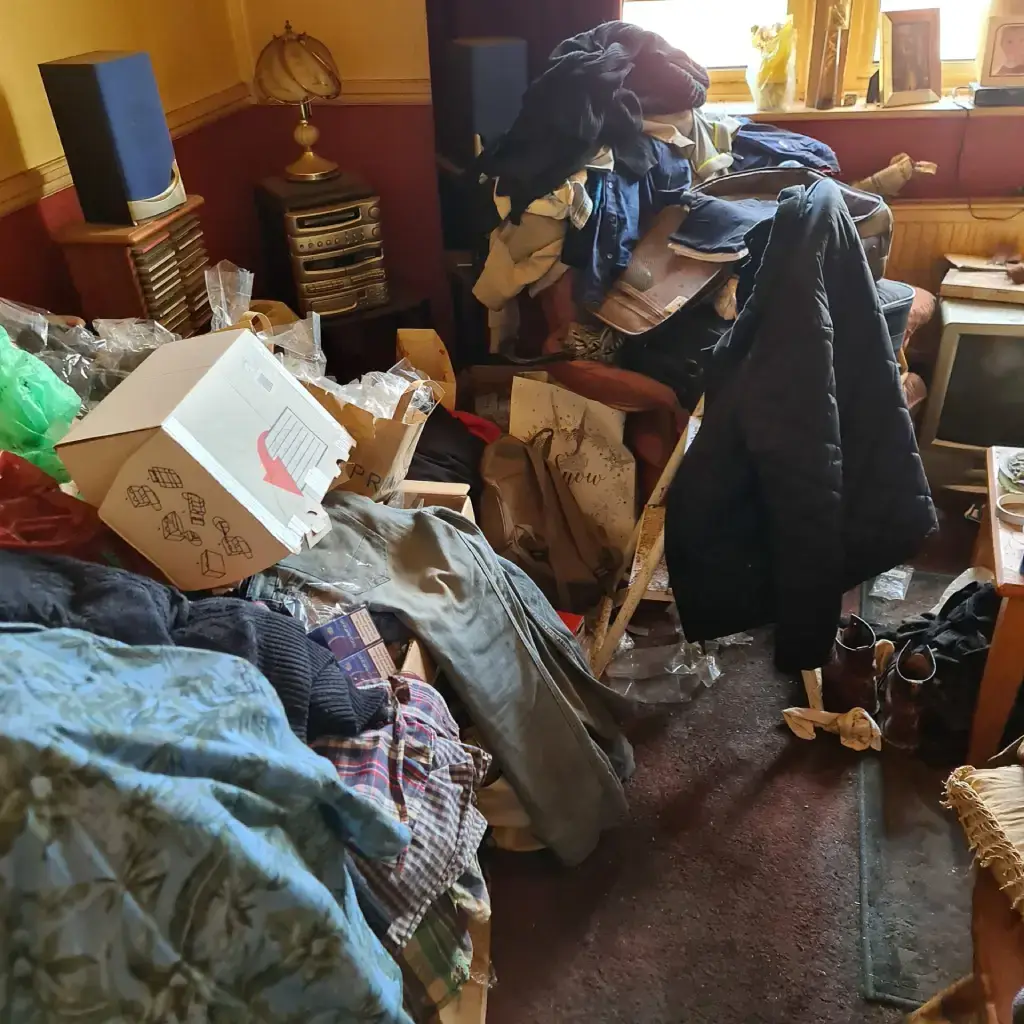
A void property clean involves bringing the property up to a safe, habitable condition. The scope of the clean will depend on the condition it has been left in.
A standard turnaround clean is a top-to-bottom clean that would normally include:
Some voids go beyond a standard clean. If the property has been neglected, damaged or become hazardous, specialist cleaning may be required. This helps you get your property back to a habitable state quickly and ensure tenant safety once you let it again.
Each of these jobs comes with a substantial health and safety risk and should not be tackled without professional help.
For a lightly used property that is still in good condition, a hands-on landlord could complete the cleanup themselves or source some trusted cleaners to ensure everything is in good condition. However, if the property has been left empty for a considerable time or you know it to be in less-than-ideal condition, a professional company may be best.
Think about hiring someone like Ideal Response when:
There is no fixed price. The total cost will depend on the size of the property, its condition, whether any specialist work is required and the level of clearance. The best way to understand the potential costs is to get a site assessment from Ideal Response. Then you can benefit from an expert inspection of the job at hand.
If you are a landlord needing a void property clean, contact Ideal Response . We are available 24/7 nationwide. Our specialist teams can attend residential and commercial properties across the country, ensuring they are made safe for the next tenants. Speak to our team today by calling 0808 303 1170 to see how we can keep your void times minimal and keep your property compliant.
Explore more articles about damage restoration, specialist cleaning and what we do

Chris Hedges is Head of Marketing at Ideal Response and the author of every article published on this site. With over 25 years of senior marketing experience across property, legal, and professional services sectors, Chris brings a clear, evidence-led approach to writing about fire damage, flood restoration, and specialist property remediation. His philosophy is simple: cut through the noise, respect the reader's time, and give people the information they actually need.


If you’re dealing with fire damage, flooding, or an environmental incident, our team is ready to respond. No matter if you have a question or have an emergency that you need help with, call:
If you’d prefer to drop us a message, use our main contact form and upload any pictures of the incident. Would you like us to call you? Fill out the short ‘Request a call back’ form.


