Whether it is the result of a property fire or years of tobacco use, smoke odour is one of the most stubborn and invasive challenges a property owner can face. It doesn’t just sit in the air; it physically bonds to surfaces, penetrates porous materials, and can remain for years if not correctly treated.
Many people search for how do you get smoke out of a house and reach for “masking” sprays or air fresheners. However, to achieve permanent results, you need a true odour eliminator that neutralises the microscopic particulates at the molecular level.
In this guide, we explore the science behind smoke damage, the hidden health risks of lingering odours, and why a professional smoke odour removal service is the only way to return your property to a safe, neutral state.
Skip to:
The risks of lingering smoke odour
How do you get smoke out of a house?
The science of lingering smoke: Why it doesn’t air out
When organic materials burn, whether it’s tobacco in a cigarette or timber in a house fire, they release carbon particulates, oils, and resins. These particles are microscopic, often smaller than 0.1 microns, allowing them to penetrate deep into:
Wall cavities and insulation.
The fibres of carpets and soft furnishings.
Porous building materials like plasterboard and wood.
HVAC systems and ductwork.
This is why “opening the windows” is rarely effective. As the temperature changes or humidity rises, the surfaces “off-gas,” releasing the trapped odour back into the room.
The health and structural implications of smoke
Smoke odour is more than a nuisance; it is a sign of chemical contamination.
1. Health risks: “Third-hand” smoke
Lingering cigarette smoke (often called third-hand smoke) and fire soot contain carcinogens and heavy metals. Prolonged exposure can lead to respiratory distress, skin irritation, and is particularly dangerous for infants and those with pre-existing conditions like asthma.
2. Structural corrosion
Fire smoke is often acidic. If left on surfaces, it can cause permanent discolouration, pitting of metals, and the degradation of electronic components. To understand the full scope of these risks, see our guide on what dangers can result from fire damage.
How do you get smoke out of a house?
If you are dealing with a minor, localised smell, you might look for the best odour eliminator available to consumers. Common DIY steps include:
-
Deep cleaning: Using vinegar-based solutions to wipe down hard surfaces.
-
Fabric laundering: Washing all curtains and steam cleaning upholstery.
-
Charcoal/HEPA Filtration: Using air purifiers to catch airborne particulates.
However, as highlighted in our smoke odour elimination guide, these methods only address the surface. For deep-seated contamination, particularly after a fire, you must follow a fire damaged property guide to ensure no hidden toxins remain. To learn more about the professional smoke odour removal process, visit our Domestic Soot & Ash Deposit Cleaning case study. You can also check out our Domestic Cigarette Smoke, Staining & Tar Removal case study for a better look at what it takes to remove cigarette odour from a property.
Professional smoke odour removal service: Technical methods
A professional smoke odour removal service uses industrial-grade technology to break down odour molecules rather than just covering them up. At Ideal Response, we utilise several advanced methods:
1. Ozone Treatment
Ozone generators create O3 molecules that react with smoke particles. This oxidation process physically breaks down the chemical bond of the odour, effectively acting as a molecular odour eliminator.
2. Hydroxyl Generators
Similar to ozone but safer for use in occupied environments, hydroxyl generators use UV light to create atmospheric hydroxyl radicals that neutralise odours and volatile organic compounds (VOCs).
3. Thermal Fogging
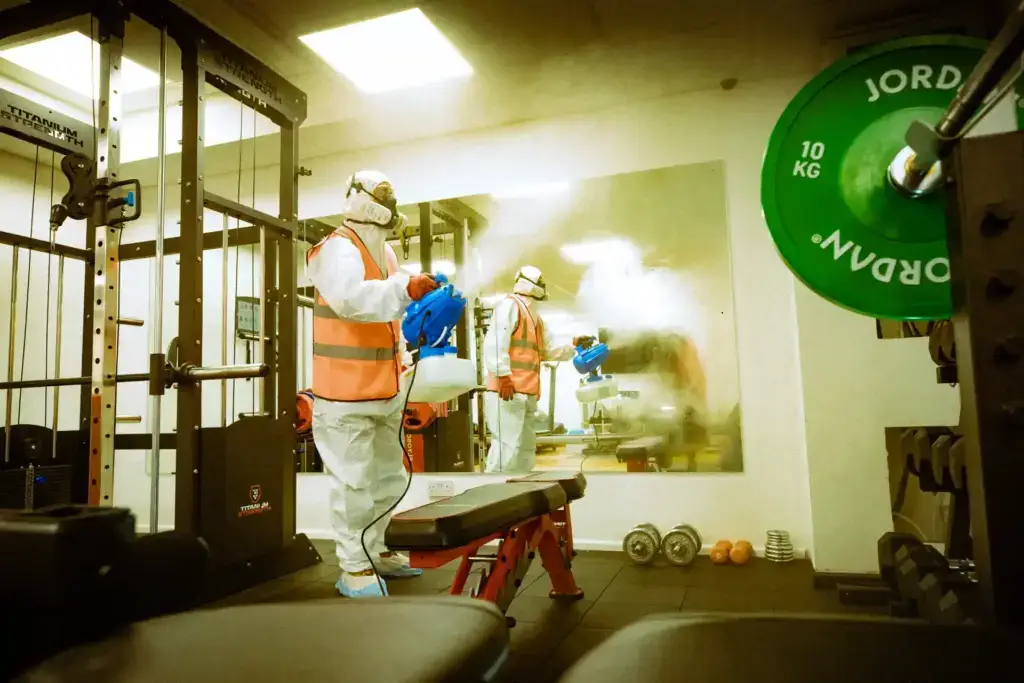
This method involves heating a neutralising agent into a fine mist (fog) that mimics the behaviour of smoke. The “fog” penetrates the same cracks and pores that the smoke did, neutralising the odour at the source.
4. HEPA Air Scrubbing
Industrial air scrubbers “wash” the air, passing it through multi-stage filters to remove 99.97% of particulates, ensuring the breathing environment is safe.
Why choose a professional service?
Whether you are a landlord dealing with a tenant who smoked indoors or a homeowner recovering from a kitchen fire, the goal is the same: a neutral, safe environment.
DIY methods often result in the smell returning weeks later. A professional service provides:
Guaranteed neutralisation: Ensuring the “musty” or “burnt” smell is gone for good.
Air quality certification: Peace of mind that the air is free from carcinogenic particulates.
Asset protection: Saving expensive furniture and structural elements that would otherwise need replacing.
For cigarette-specific issues, read our detailed breakdown on how to get rid of cigarette smell.
Contact the experts
Don’t live with the lingering reminders of smoke damage. Ideal Response offers a comprehensive smoke odour removal service across London, Kent, and the wider UK.
Ready to breathe clean air again? Contact Ideal Response today on 0800 088 4170 for a professional assessment and a permanent odour elimination solution.
Call our emergency response team 0800 088 4170
Smoke odour removal service FAQs
What is the best odour eliminator for smoke in a house?
The best odour eliminator for smoke is a professional-grade ozone or hydroxyl generator. Unlike sprays or charcoal bags that mask or absorb smells temporarily, these technologies neutralise smoke particulates at a molecular level. For deep-seated odours in porous materials, thermal fogging is often required to reach the microscopic cracks where smoke particles reside.
How long does it take for smoke smell to leave a house?
Without professional intervention, heavy smoke odour from fire or long-term tobacco use can persist for years. While “airing out” may help with superficial smells, the oily resins from smoke bond to surfaces and “off-gas” over time. A professional smoke odour removal service typically neutralises a property within 24 to 72 hours, depending on the severity of the contamination.
Can you ever truly get cigarette smell out of a house?
Yes, cigarette smell can be permanently removed, but it requires more than just painting over the walls. Smoke oils (nicotine and tar) penetrate paint and plasterboard. Removal involves a clinical deep clean with specialized surfactants, followed by air scrubbing and molecular neutralisation (ozone or hydroxyls). If you simply paint over the walls without this process, the smell will return during periods of high humidity.
Does baking soda or vinegar get rid of smoke smell?
Baking soda and vinegar are effective mild cleaners for minor, surface-level smoke odours. However, they lack the chemical strength to reach particulates trapped deep within insulation, wall cavities, or subflooring. For structural smoke damage or fire-related odours, household remedies are insufficient and will not address the hidden health risks of third-hand smoke.
Is it safe to stay in a house that smells like smoke?
Lingering smoke odour is a sign of “third-hand smoke” contamination, which contains toxic particulates and carcinogens. For individuals with asthma, children, or the elderly, staying in a property with heavy smoke odour can lead to chronic respiratory distress and skin irritation. Professional air quality testing and remediation are recommended to ensure the environment is biologically safe.

Tahlia Ibrahim - Delivery Manager
Tahlia has over four and a half years of in-depth experience across various facets of the disaster recovery industry. Having progressed through roles in marketing and sales to her current position, Tahlia possesses a comprehensive understanding of the entire business operation, from initial client contact to meticulous service delivery. A certified BioSweep Specialist, she excels in advanced odour elimination techniques, ensuring thorough restoration.