Available 24/7 | 0800 088 4170

Available 24/7 | 0800 088 4170
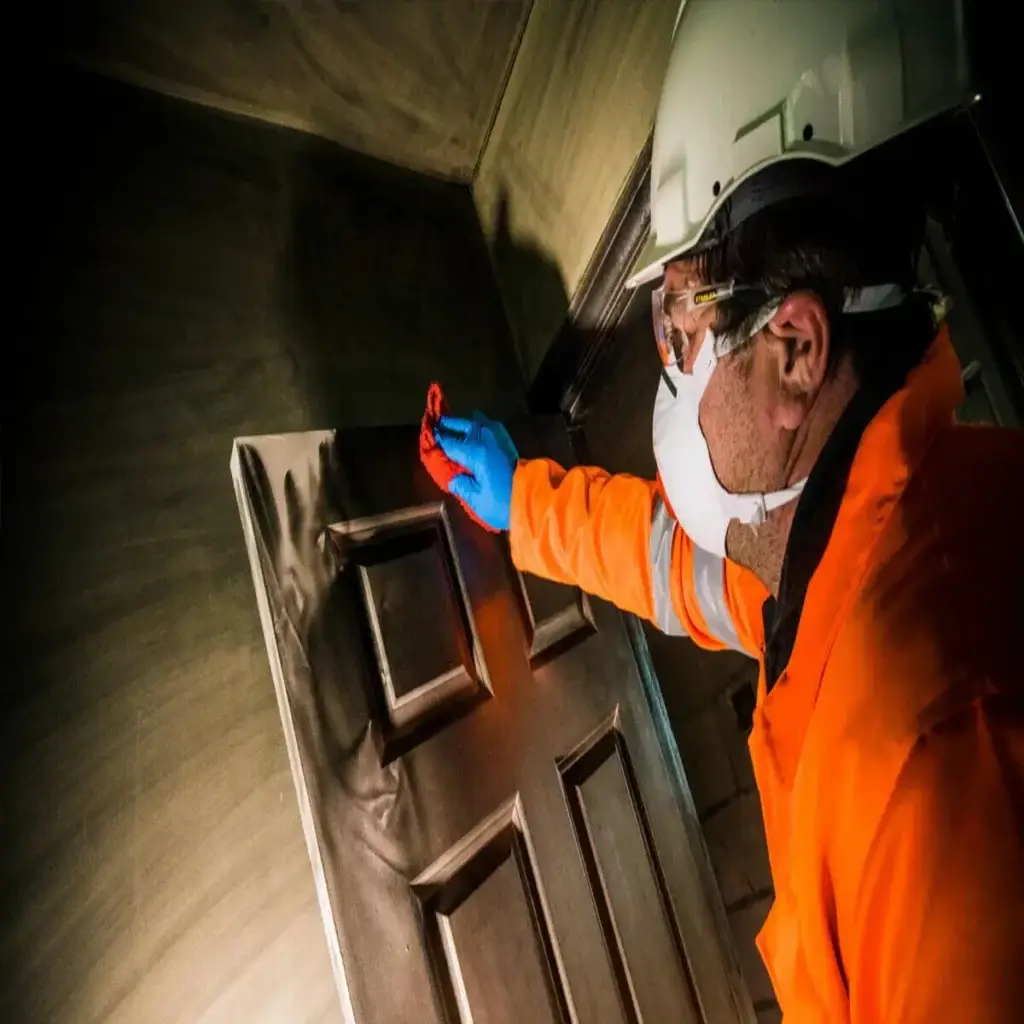
Smoke travels well beyond a fire, leaving residue on walls, ceilings, contents and ventilation, and a smell that lingers. Ideal Response provides smoke damage cleanup for homes and businesses across the UK: we identify the type of smoke residue, clean it with the right method for each surface and treat the odour at its source.
Coverage: UK-wide, including London, Kent and the South East
We clean and decontaminate. We do not carry out building repairs, reinstatement or redecoration; we leave the property clean and ready for your builder or your insurer's contractor. Older soot can stain paintwork, so some surfaces may still need repainting after cleaning.
| Types of smoke | What it leaves behind |
|---|---|
| Protein (kitchen fires) | Almost invisible, strong-smelling film that discolours surfaces and lingers for months |
| Wood (natural materials) | Powdery soot that works into walls, ceilings and hidden cavities |
| Synthetic (plastics) | Thick, sticky black residue with a strong chemical smell; hardest to remove |
| Fuel and oil | Dense, heavy soot that spreads quickly and coats fabrics and porous materials |


A fire at the rear of a supermarket caused extensive damage to the loading bay, CCTV room and bakery.
| Cost factor | Why it matters |
|---|---|
| Type of residue | Protein, synthetic, fuel and wood smoke need different methods; some take longer |
| Extent of spread | More rooms, surfaces and cavities mean more cleaning |
| Surfaces and contents | Painted walls, fabrics, ventilation and porous materials each need their own treatment |
| Odour | Persistent smell may need a separate odour treatment |
Smoke follows air currents and settles out of sight. These are the places we check that are most often missed:
Including rooms the fire never reached.
Upholstery, curtains, carpets and belongings that can be saved.
Ducts and systems that keep spreading smoke residue and smell.
Greasy, near-invisible residue left by cooking fires.
Shops, supermarkets, offices and warehouses, planned around trading.
Smoke residue contains toxic and irritant particles that can be released for weeks after the fire and can affect breathing. Keep exposure to a minimum. Read: is it safe to stay in a property after smoke damage?
Fire residues are acidic and corrosive. The longer they sit, the more they stain and damage finishes and fittings.
Soot and acidic residue can get into electrical systems and cause faults; have them checked before use.
Call the team any time.
Different materials burn differently, and each leaves a residue that needs its own cleaning method. Identifying the type is the first step, and the main reason smoke damage needs a specialist.
| Situation | Typical time on site |
|---|---|
| Light smoke in one or two rooms | 1–2 days |
| Whole house | 3–7 days |
| Commercial premises | Planned around opening hours |
Standards we work to: BDMA practice guidance, HSE and COSHH regulations
Smoke damage cleaning costs vary because each fire leaves different residues. We quote after assessing the type of smoke, how far it has travelled and what it has affected.

“On a fire of this scale, there isn't one process that solves everything. Water from firefighting, damaged structures, soot on retained surfaces, smoke odour and regulated equipment all need different responses. The important part is the sequence: dry and strip back what needs to go, expose what can be retained, clean the fire residues properly and then deal with the remaining odour before the refurbishment team takes over.”
For an emergency, call us. Otherwise send a few details and photos, and the team will get back to you.
Available 24/7
We’ll use your details to respond to your enquiry. View our Privacy Policy