Specialist Cleaning for Heritage Buildings | Ideal Response

Available 24/7 | 0800 088 4170

Heritage building cleaning services

Heritage buildings are a treasured part of the UK’s cultural fabric, but fire, water, pollution and age threaten their integrity. Ideal Response provides heritage building cleaning and restoration for historic and listed buildings, using conservation-aware methods that protect original materials while removing soot, water damage, graffiti, biological growth and pollution staining.

Coverage: fire, water and specialist cleaning UK-wide; masonry, facade and graffiti cleaning in London, Kent and the South East

Ideal Response technicians cleaning Grade 2 Listed building following a fire

Caring for historic and listed buildings

Who it’s for
Owners, trustees, estates teams, architects and conservation officers of historic and listed buildings
What you get
A test patch before cleaning · method statements to support listed building consent · reports for insurers and heritage officers
How we work
Send photos, the listing grade if known, and what has happened, or call 0800 088 4170
How to start
Send the claim reference and policyholder contact, or call 0800 088 4170
Where
Fire, water and guano work UK-wide; masonry, facade and graffiti cleaning in London, Kent and the South East
Not included
Repointing, stone repair, redecoration and reinstatement

Services for heritage and listed buildings

Cleaning historic buildings isn’t one-size-fits-all. Each service is planned around the age, condition and construction of the building.

Conservation-aware methods

Historic buildings have unique vulnerabilities, so simply cleaning isn’t enough: it has to be done in a sympathetic, conservation-aligned way.

Gentle systems

DOFF superheated steam and the TORC vortex system, which clean without abrasion. See brick and stone cleaning.

Material integrity

Methods chosen to respect stone, brick, timber and lime based substrates.

Test patches first

Every method is trialled on a small, discreet area and agreed with you before the full clean.

Listed building consent

Some methods on listed buildings may need consent. We provide risk assessments and method statements to support an application; the decision rests with the owner and the local authority.

Our historic buildings cleaning process

Heritage and listed building cleaning involves careful planning and clear communication, so owners, trustees, architects and conservation officers stay informed throughout.

Step 1 Rapid condition assessmentA fast, careful evaluation of damage and risk, so work can start as soon as it is safe.
Step 2 Conservation-focused planA restoration plan aligned with best practice and the building’s constraints.
Step 3Sympathetic executionMinimally intrusive methods that protect the historic fabric.
Step 4Documentation and reportingClear reports for insurers, stakeholders and heritage officers.
Step 5 Post-treatment monitoringChecking results last and identifying future preservation needs.

Coverage by service

We are asked about heritage buildings across the UK. This is what we cover where:

SERVICE COVERAGE
Fire and smoke damage cleaningUK-wide
Water and flood restoration, specialist drying UK-wide
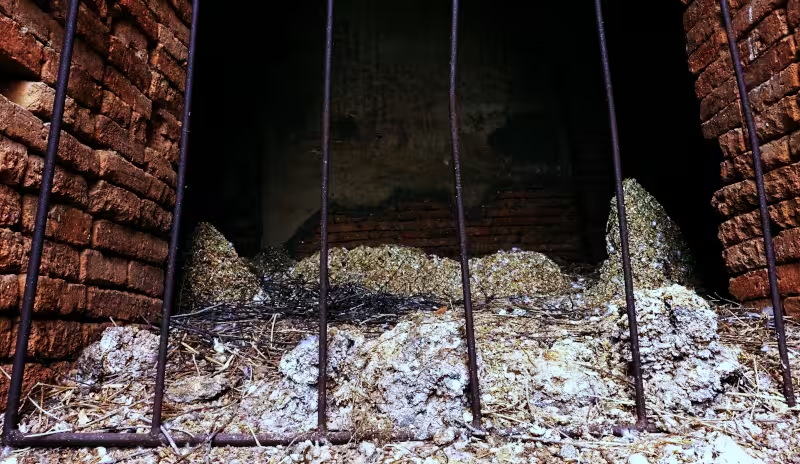
Bird and bat guano removalUK-wide
Brick, stone and masonry cleaningLondon, Kent and the South East
Facade and exterior cleaningLondon, Kent and the South East
Graffiti removal London, Kent and the South East
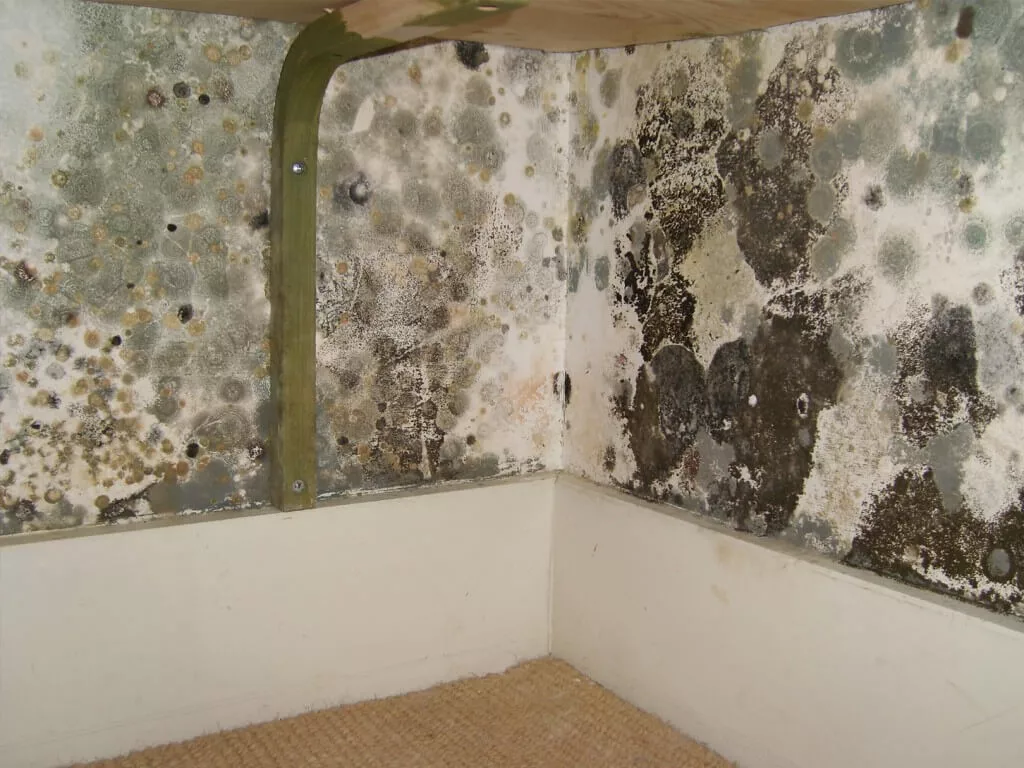
Mould removal London, Kent and the South East

Why choose Ideal Response for heritage building cleaning

Gentle methods first
DOFF steam and the TORC system clean without abrasion, and every method is trialled on a test patch and agreed with you first.
Respect for historic fabric
Methods chosen for stone, brick, timber and lime-based materials, so original features are protected
Paperwork for consent and claims
Method statements to support listed building consent, and reports for insurers, trustees and heritage officers.
Everyone kept informed
Owners, trustees, architects and conservation officers are kept up to date at every stage.
One team for every kind of damage
Fire, water, masonry, graffiti and guano handled by one team, planned around the building as a whole.
Clear about where we work
Fire, water and guano work across the UK; masonry, facade and graffiti cleaning in London, Kent and the South East.

Where our work stops

We clean, dry and protect surfaces. We don’t carry out repointing, stone repairs, redecoration or reinstatement. On listed buildings, some methods may need consent; we can advise, and the decision rests with the owner and the local authority.

From first call to report

Step 1Share photos and the listingSend photos, the listing grade if you know it, and what has happened.
Step 2Assessment and test patchWe assess the building and trial the method on a small, discreet area.
Step 3Method statement and planA conservation-focused plan, with method statements to support consent where it’s needed.
Step 4Clean, record and reportThe agreed work, then a report for owners, insurers and heritage officers.

Recent heritage building projects

Ideal Response technicians in PPE working in one of the fire damaged spaces.
Ideal Response technicians in PPE working in a small fire damaged area.

Fire, mould and drying recovery for listed building

LOCATION
London
Duration
5 - 6 Months
Service
Fire Damage Cleaning
Sector
Legal & Professional Services
The five-phase recovery programme began with soft and hard strip-out and fire cleaning, followed by four-stage mould remediation, large-scale mechanical drying and a final preventative treatment. This sequence addressed each type of damage at the right stage, preserved building materials that could be recovered and kept the wider reinstatement programme on track.

Related services and guides

Book or ask a question

Coverage: fire, water and specialist cleaning UK-wide; masonry, facade and graffiti cleaning in London, Kent and the South East

0800 088 4170
Available 24/7
TALK TO THE TEAMREQUEST A QUOTE

Talk to the team

Tell us about the building and what has happened, and we’ll arrange an assessment.

Available 24/7

JPG, JPEG, PNG, WEBP, HEIC, MP4, MOV, PDF — up to 5 files

We’ll use your details to respond to your enquiry. View our Privacy Policy

Heritage building cleaning services: frequently asked questions

What is heritage building cleaning, and why is it important?
Heritage building cleaning isn’t a single service; it’s how we deliver our fire, water and environmental cleaning for historic and listed buildings, keeping them safe, sound and protected in line with UK conservation standards.
What methods do you use to clean historic buildings safely?
Non-invasive, conservation-appropriate techniques such as steam cleaning, the DOFF and TORC systems, and gentle treatments designed for historic materials. They remove dirt, algae and carbon staining without damaging delicate stone, brick or timber.
Can you remove graffiti, biological growth and pollution staining from heritage buildings?
Yes. We remove graffiti, moss, algae, lichen and pollution staining using gentle techniques suited to historic stonework and brick. This service covers London, Kent and the South East.
How often should a heritage building be professionally cleaned?
It depends on location, exposure and pollution. Urban buildings may need cleaning every 5 to 10 years; rural buildings less often.
How much experience do you have with historic buildings?
Over 20 years of fire, water and environmental work on heritage buildings, from removing graffiti from St Paul’s Cathedral to specialist cleaning in a Grade II listed building after a fire.
Do you cover heritage buildings outside the South East?
Yes for fire, water, drying and guano removal, which we cover across the UK. Masonry, facade and graffiti cleaning cover London, Kent and the South East. Contact the team to find out.