The Problem
Oil and fuel contamination is a major concern for construction sites, with spills posing risks to worker safety, environmental health, and project deadlines. In the UK, thousands of historic underground fuel tanks remain undiscovered, and oil spills on construction sites cost businesses millions in clean-up, fines, and delays.
Our client, a building development company, discovered a buried fuel tank when on-site machinery punctured it during landscaping works. A strong petroleum odour indicated a potential fuel spill and water contamination, raising concerns about:
- Health and safety risks – exposure to hazardous fumes and explosion risk.
- Environmental damage – risk of soil and water contamination.
- Project delays – construction work was immediately halted.
Given the strict deadlines and the risk of Liquidated and Ascertained Damages (LADs), our client needed a rapid, professional response to minimise disruption and financial losses.
The Solution
Specialist Response & Site Assessment
We were contacted late on a Tuesday afternoon, with limited photographic evidence due to safety concerns. Our team knew that additional on-site challenges could arise during the hazardous waste removal, so we prepared for multiple contingencies.
The plan of action included:
- Extracting contaminated water and petroleum using specialist tankers.
- Employing cold-cutting methods to safely open the tank.
- Cleaning the tank interior using a confined-space entry team.
- Conducting gas-free certification to ensure safety.
- Disposing of hazardous waste at a licensed facility.
By Wednesday morning, a Petroleum Uplift Tanker was deployed to site. Initial investigations revealed that the tank contained a water-petroleum mix, a common issue in poorly decommissioned tanks. Even small amounts of residual fuel can pose significant explosion risks, making expert handling crucial.
Safe Contaminated Liquid Removal
Using industrial-grade equipment, our team extracted three tonnes of contaminated liquid from the tank. This level of removal is only possible with large-scale, professional-grade equipment.
Once emptied, the tank was carefully opened using the cold-cutting method. This technique ensures:
- No risk of ignition – essential for working with flammable residues.
- Minimal disruption – allowing a faster cleanup process.
- Precision cutting – ensuring structural integrity is maintained.
Gas monitors were used throughout the process to check for Lower and Upper Explosion Limits (LEL/UEL), ensuring the site always remained safe.
Tank Cleaning & Gas-Free Certification
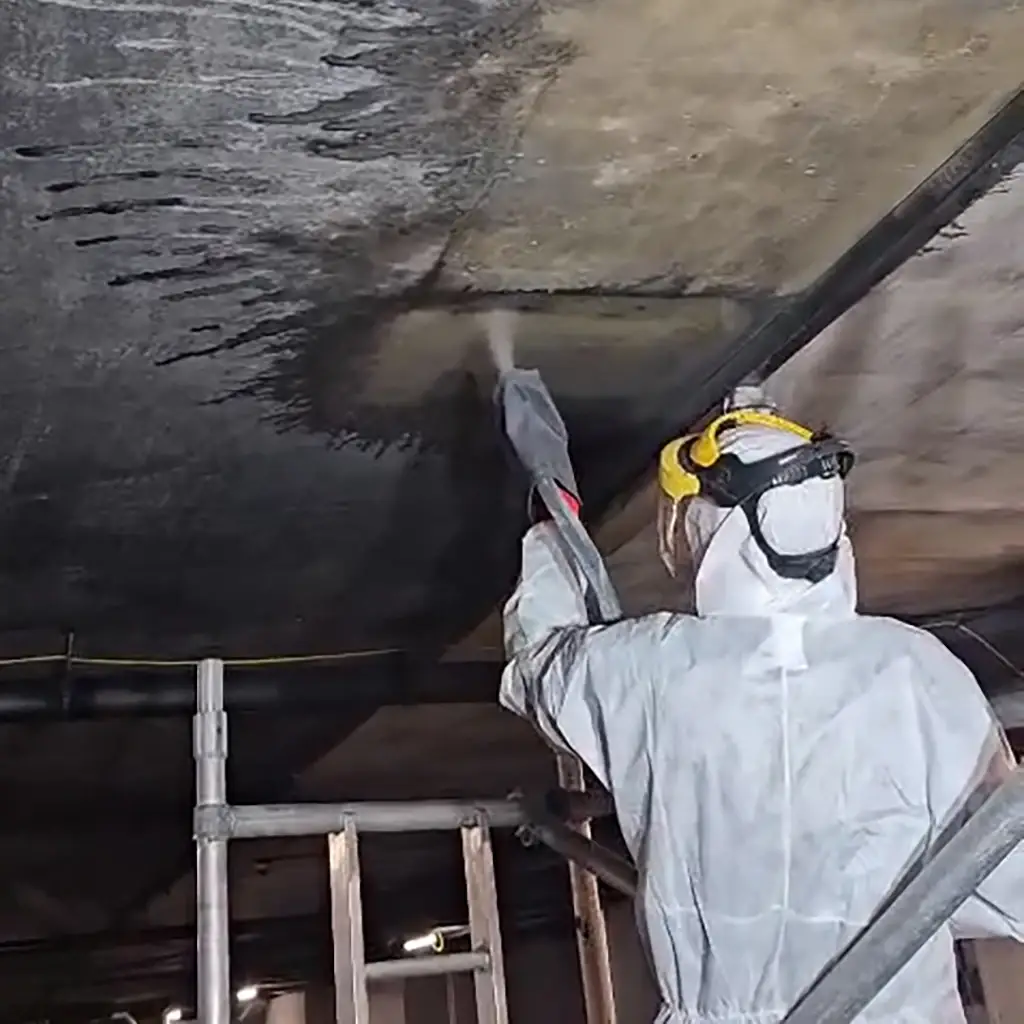
With the tank fully opened, a confined-space cleaning team entered using a tripod and winch system. Fully equipped with gas monitors, PPE, and RPE, they meticulously removed any remaining hazardous residue.
Once cleaned, the site was tested again for gas levels. After passing safety checks, we issued a 72-hour gas-free certificate, allowing the safe removal of the damaged tank and resumption of construction work.
The Result
- Fast and efficient clean-up – we completed the job in under 24 hours, minimising project delays and preventing costly penalties.
- Full hazard removal – oil contamination was safely extracted and disposed of, eliminating environmental and safety risks.
- Certified safe – our client received a gas-free certificate, ensuring compliance with industry regulations.
“Thanks to Ideal Response, we were able to resume construction immediately, avoiding major financial setbacks. Their expertise and rapid response were invaluable.”
By handling all aspects of the clean-up in-house, from contaminant extraction to certification, we ensured a seamless and professional service.
If you are worried about oil contamination on site, talk to one of our team.