Discovering damp in your UK property is a common concern, but an expert damp report is your definitive solution for understanding and effectively tackling the issue. This essential guide, compiled by qualified surveyors, uncovers the hidden root cause of moisture, preventing costly misdiagnosis and ineffective treatments. Don’t let unseen damp jeopardise your home’s integrity; trust Ideal Response’s 20+ years of expertise in comprehensive damp surveys to provide a clear, actionable path to a dry, healthy property. Contact us today for your peace of mind.
Skip to:
Understanding damp and damp reports
What is damp?
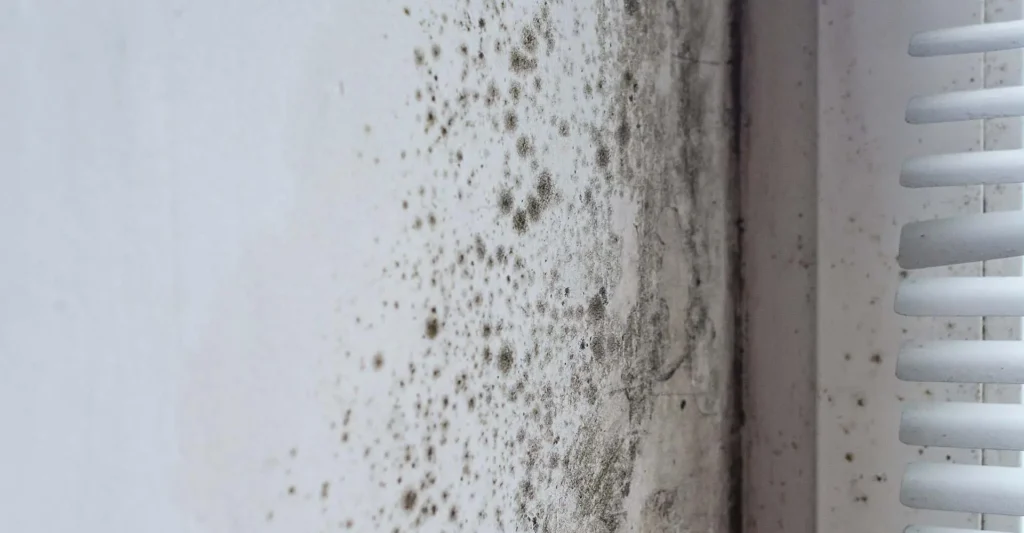
Discovering damp in your property is a tough pill to swallow and one that immediately fills you with a feeling of dread. Maybe it’s a discoloured patch in the corner of a room or peeling paint on the ceiling, the visual signs of damp make it clear that you have an issue on your hands. But it’s what you can’t see that truly matters. Visible damp is a concern, but hidden damp is the real danger. A damp report brings those hidden issues to light after a professional damp inspection is carried out.
Is mould caused by damp?
Many property owners make the common mistake of finding mould and immediately trying to treat the symptoms without first identifying the root cause. It’s a timely and costly mistake that rarely solves the problem and, in many cases, can add to the issues. Your property, bank account and peace of mind will be far better off getting things right the first time around. In this blog we will be breaking down what a damp report is, what to expect from yours and how they benefit your property and peace of mind. At Ideal Response, our decades of experience and knowledge go into every single damp survey that we undertake. Learn more about our comprehensive damp survey services here.
What exactly is a damp report? A deep dive into your property’s diagnosis
From damp inspection to detailed damp report
A damp report is formal and unbiased document that details the findings of a damp inspection carried out by a qualified dampness surveyor. The comprehensive damp report translates complex readings and measurements into clear and actionable jargon-free insights. A lot of work goes into creating a compressive damp report, each step of the process must be carried out correctly by an expert for the final resulting report to be useful. The damp check, damp inspection and damp assessment are all steps that lead to the final report.
Why is a professional damp report vital?
A professional damp report goes far beyond just the identifiable visible signs of damp. It goes under the surface and identifies the precise location and root cause of the damp issue. The experience and expertise of a professional dampness surveyor prevent costly misdiagnosis and removes the chance of ineffective treatment being carried out.
The damp report provides you with the necessary information you need to make the right decision. The reports a first-hand information delivered to you by a certified professional. Our team years of hands-on experience carrying out inspections, proving reports and actioning quality recommendations to solve the root problem.
What does a comprehensive damp report include?
- Executive summary: Your damp survey will begin with a concise overview of the findings and primary recommendations. Giving you a quick snapshot of key information you need to make a decision.
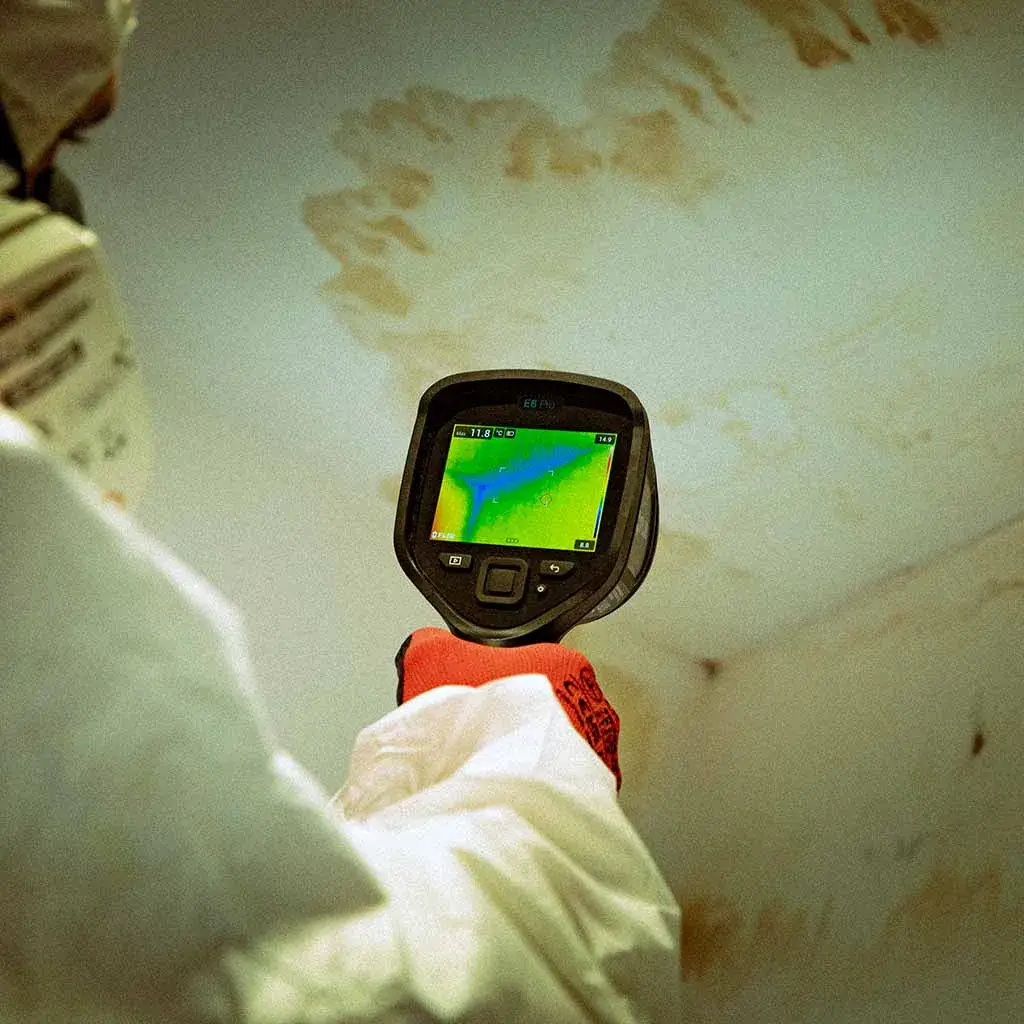
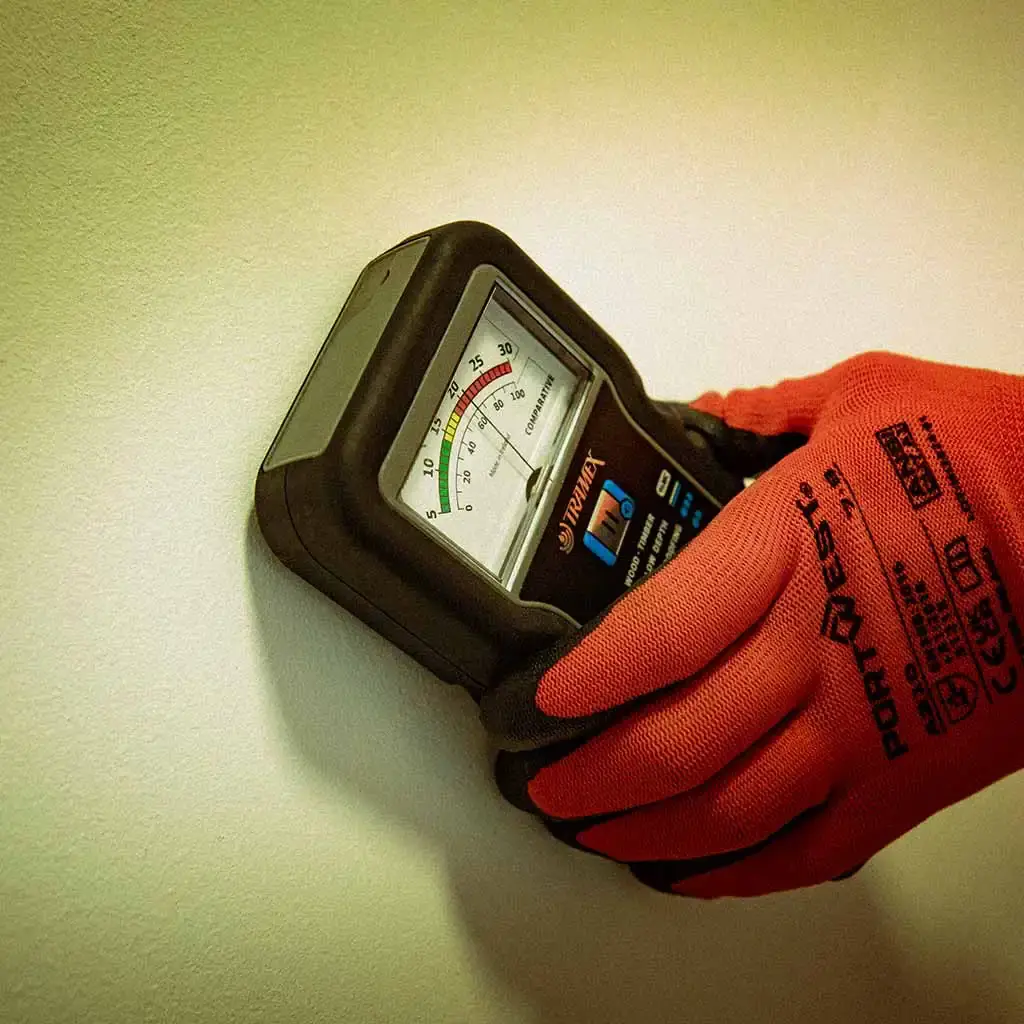
- Detailed findings: A more in-depth breakdown is next. This part of the survey goes into a detail and provides you with technical insights and data gathered during the dampness survey. Precise moisture readings and other measurements taken by the specialist tools are found in this section and will give you an in-depth understanding of the root cause.
- Remedial recommendations: This section provides you with clear actionable steps for treating and permanently resolving the damp issues.
How much does a damp survey cost?
The cost of your damp survey will change depending on a few different factors:
- Size of the property: This is an important factor that contributes to the price of the survey you will receive. Larger properties take more time to survey and more time to accurately identify the type of damp and the root cause of it.
- Location of the property: Another factor that will have a direct impact on the price of the survey is the location of your property. Ideal Response is in Maidstone, Kent so the further away your property is the more time it takes to get there and the more it will cost you.
- Size of the area of concern: Finally, the size of the area being surveyed will play a part in the price of the damp inspection. Naturally, a survey for a small downstairs bathroom will be a lot cheaper than for your entire property, so bare that in mind.
On average you can expect to pay between £250 to £400 for a good basic survey. Click the link to learn more about how much a damp survey costs and get a more in-depth breakdown on why it’s an important investment to help you protect your property.
How much money will a damp survey save me?
A professional damp survey is an investment into your property. One that will provide you with detailed information about the moisture levels of your property. Highlighting areas of concern and uncovering the root cause of the issues. With this information and the detail report you receive upon completion, you are equipped with a clear picture and step-by-step guide on what to do.
In one sense, a damp survey is an investment into your peace of mind. It gives you the answers you’re looking for and is backed up by expert opinion and measurements. In another sense it’s an investment because it uncovers issues early and gives you the opportunity to solve them before they become a real expensive issue.
Does damp cause mould growth?
Yes. Simply put, mould is a symptom of an underlying damp issue in your property. In order for mould to grow and thrive it need the right conditions, excessive moisture being one of the key components. Many property owners make the mistake of thinking that mould is a standalone issue and only take the time to remove the mould without looking beyond the surface and identifying what caused it.
Will mould come back if I don’t treat the damp?
Once again, the answer is unfortunately yes. Without dealing with the moisture issue, it’s just a matter of time before the mould growth comes back. The only way to be sure that you have a long-term mould free property is to accurately identify what type of damp issue you have and to fix it. Once the damp issue is fixed you should hire a mould remediation specialist to ensure that all traces of mould have been removed. Once these two key steps are taken the chances of mould returning are slim to none.
What are the different types of damp?
There are several different types of damp, all which require a different approach to resolve. Treating damp incorrectly can actually make things worse, making an accurate damp survey even more essential.
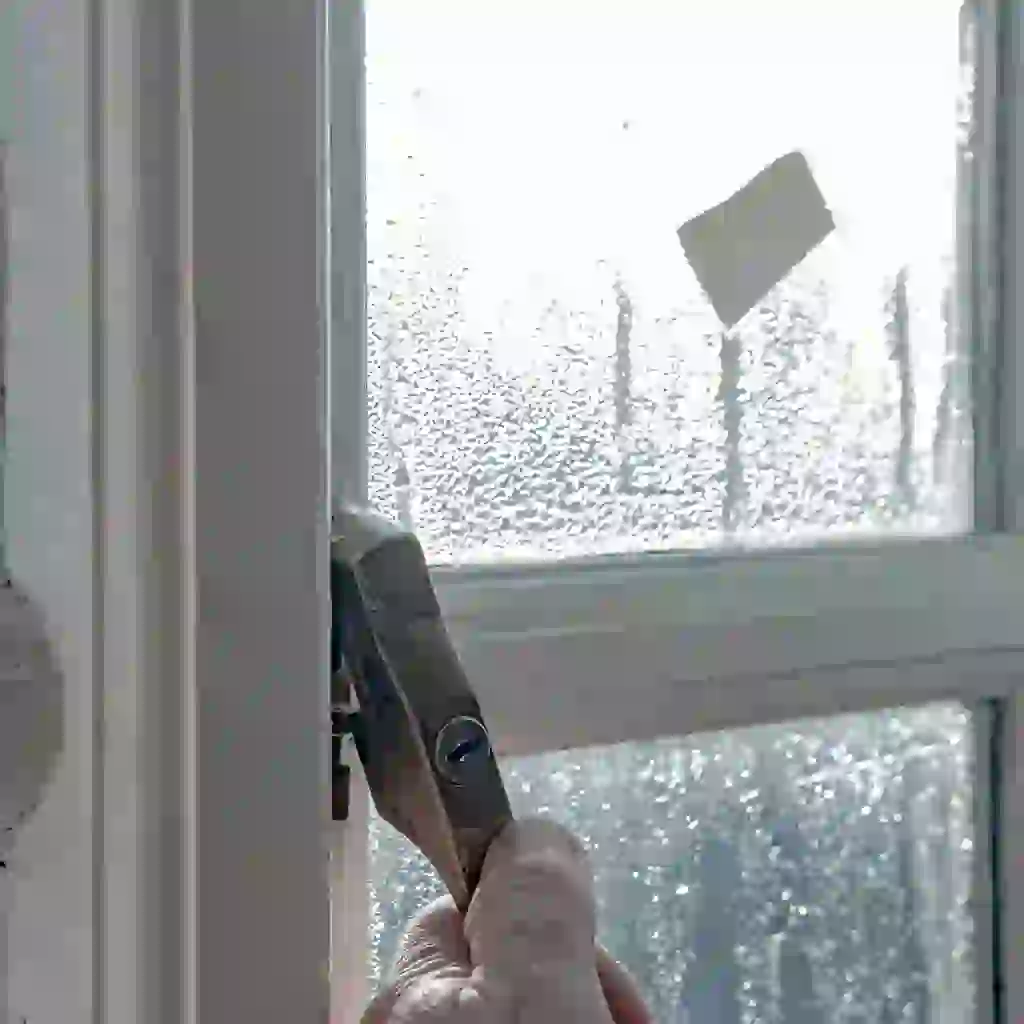
Condensation dampness
This type of damp is the most common in UK homes and also the one that is closely linked with mould growth. Excessive humidity in the air inside your property will eventually condense on cooler surfaces. External walls and windows are often the coolest and through a process called thermal bridging. As water condenses and saturates porous surfaces, it creates the perfect breeding ground for fungi and mould. Hygrometers and moisture meters are essential tools for a damp survey when identify condensation damp, without them it can be hard to accurately determine the root of your moisture troubles.
Rising dampness
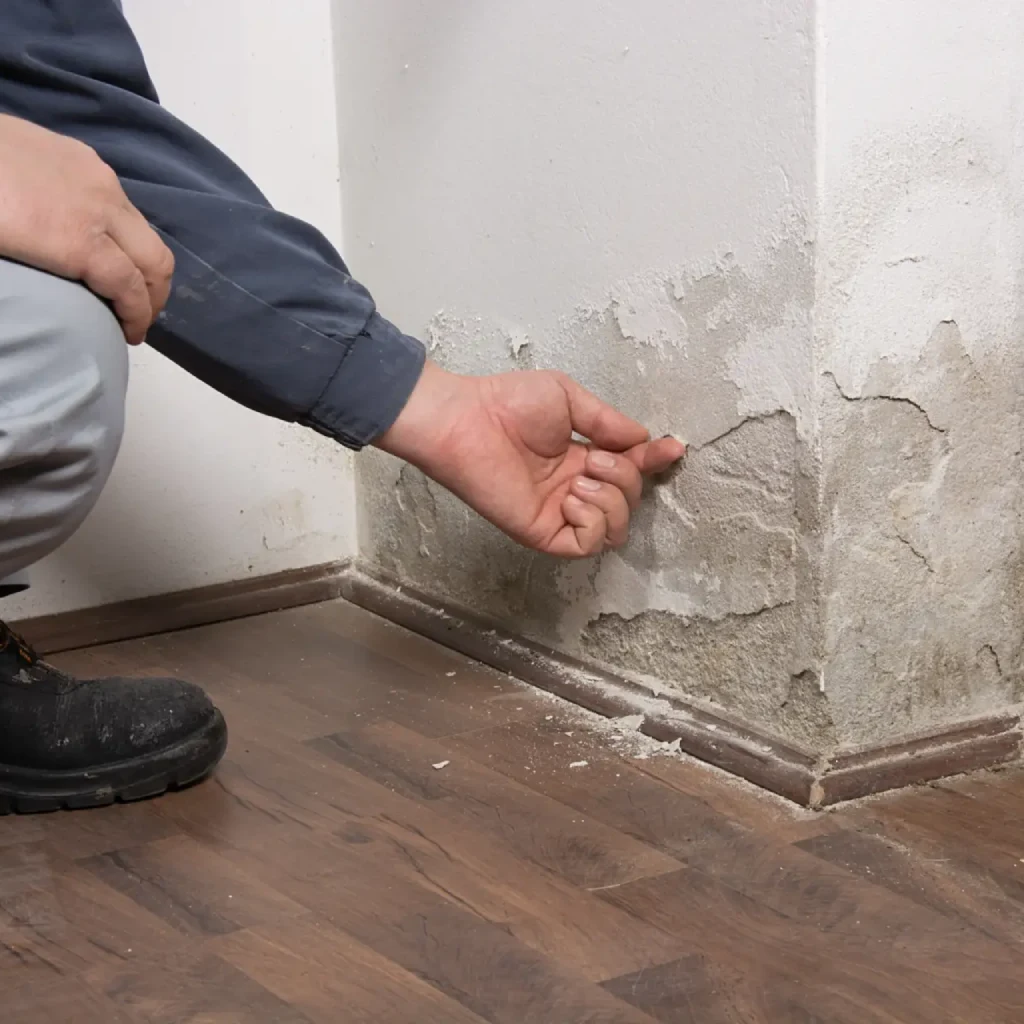
Another common type of dmap that effects UK properties is rising damp. Caused by a damaged, bridged or missing Damp Proof Course (DPC), groundwater is able to travel up through porous material against the forces of gravity through capillary action. Rising damp can only occur at ground level and will leave behind “tide marks” and salty deposits “efflorescence” on your substrate. In order to accurately diagnose this form of damp, you need Salts Analysis and moisture meters. The Salts Analysis Kit is used to test for hygroscopic nitrates and chlorides left behind by groundwater.
Penetrating damp
This form of damp is caused by an exterior defect that allows water to enter your property. The most common defects are cracks in brickwork, damaged roof tiles and broken guttering. Penetrating damp, or water ingress, will cause localised damp patches to appear on walls and ceilings. Without the knowledge and hands-on experience of a professional damp surveyor it can be very difficult to pinpoint the exact location of the water ingress point.
Conclusion: A professional damp survey is an investment
In conclusion, a comprehensive damp report is more than just a diagnosis; it’s your essential blueprint for addressing hidden moisture issues effectively. By investing in a professional damp survey, you gain the precise knowledge needed to tackle the root cause, avoiding costly misdiagnosis and ineffective treatments. This upfront investment ultimately safeguards your property’s structural integrity, protects your finances from escalating damage, and, most importantly, restores your peace of mind. Don’t let hidden damp jeopardise your property, take the right step towards a lasting solution by contacting Ideal Response’s experienced damp surveyors today for a clear path to a healthier, damp-free home.
Need to speak to a specialist urgently? Call 0800 088 4170
Damp survey report: Frequently asked questions
What is the difference between a free damp survey and a paid one?
A free damp survey is often a sales tactic used by a company to promote their own damp-proofing services. This can lead to a biased report and unnecessary work. In contrast, a paid, independent damp survey provides an unbiased, factual diagnosis of your damp problem, ensuring you get an accurate and effective solution. Learn more here.
What are the key signs of damp I should look for in my property?
The key signs of damp include:
A persistent musty or earthy smell.
Visible damp patches or stains on walls and ceilings.
Flaking or bubbling paint and wallpaper.
The appearance of black mould, especially in corners or behind furniture.
A “tide mark” on walls, typically up to one metre from the floor, which can indicate rising damp.
How can a professional damp surveyor tell the difference between rising damp, penetrating damp, and condensation?
A professional damp surveyor uses specialised knowledge and tools to differentiate between the types of damp. They will:
Use a moisture meter to measure moisture levels in different areas of the property.
Inspect the external structure for defects (e.g., faulty gutters, cracked rendering) that indicate penetrating damp.
Check for a failed or bridged damp-proof course (DPC) and look for a one-metre-high rising damp tide mark.
Assess air circulation and humidity to diagnose condensation problems.
How much does a damp survey cost?
The cost of a damp survey can vary, but it generally ranges from £250 to £400. The price depends on factors like the size of your property, its location, and the extent of the suspected damp issue.
Visit another one of our blogs for a more in-depth guide to the cost of a damp survey in the UK.
Will a professional damp report outline a solution and estimated costs?
Yes. A professional damp report is a comprehensive document that details the findings of the survey. It will clearly:
Identify the type and cause of the damp problem.
Provide a clear set of recommendations for remediation.
Often include a quote for the necessary work, giving you a precise understanding of the costs involved in fixing the issue.

Chris Hedges - Head of Marketing
With over 25 years' experience, Chris is adept at defining and driving strategy, while also enjoying hands-on operational delivery. He believes in an equal blend of creativity and analytical scrutiny, always finding inventive ways to achieve objectives, underpinned by evidence. Chris’s philosophies are simple: don't overcomplicate, always prioritise customer experience, and bend the rules just enough to cut through the noise and drive momentum and growth.