Available 24/7 | 0800 088 4170

Burst pipes: A UK homeowner’s quick guide to prevention

Winter in the UK brings with it a certain kind of anxiety for homeowners, and for good reason. As temperatures drop below freezing, the risk of frozen and burst pipes skyrockets. Each year, roughly 2,650 UK properties suffer from burst pipes, with the majority of incidents occurring in January and February. The average claim for burst pipe damage is estimated to be over £10,000, with many cases costing significantly more due to hidden damage.

A burst pipe isn’t just a nuisance; it’s an emergency that can cause catastrophic water damage, structural issues, and even lead to dangerous mould growth. This guide is designed to give you the information you need to protect your home and avoid becoming a flood statistic.

Skip to:

Dangers of a burst pipe

Preventing water pipes from bursting

Signs of a hidden water leak

What to do if a pipe bursts

The dangers of a burst pipe

When a pipe freezes, the water inside expands and puts immense pressure on the pipe, causing it to crack or rupture. When the ice melts, the water is free to escape, and that’s when the real damage begins.

The speed at which you act will determine the extent of the damage. If left undiscovered, a burst pipe can lead to:

  • Severe water damage: From ruined floors and furniture to soaked walls and insulation.
  • Structural issues: Prolonged exposure to water can weaken the foundations and framework of your home.
  • Mould growth: The damp patches created by a burst pipe are the perfect breeding ground for mould. Fungal growth can start in as little as 24-48 hours, posing serious health risks.

How to prevent your water pipes from bursting this winter

Preventing a burst pipe is much easier and cheaper than dealing with the aftermath. Here are some simple but essential steps you can take to protect your home this winter.

1. Insulate your pipes and home

Making sure your pipes are properly insulated is your first line of defence against freezing temperatures. Pipe lagging, or foam insulation, is inexpensive and easy to install. Additionally, ensuring your loft and walls are well-insulated will help your home retain heat, creating a warmer environment for your pipes.

2. Keep your home warm

While it may be tempting to turn the heating off entirely to save money, it’s a huge risk. Keeping your thermostat set to a low temperature, even when you’re not home, will help prevent your pipes from freezing. If you’re going away for a few days, leave your heating on a timer or at a minimum temperature.

3. Locate your stopcock

In the event of an emergency, knowing where your stopcock is could save your home from major flood damage. It allows you to shut off your water supply at the source immediately. Take a moment to find yours today and make sure everyone in your household knows its location and how to use it.

4. Fix leaking taps and pipes

Even a tiny leak can cause big problems. A constant, slow drip can freeze and cause a blockage, leading to pressure build-up and a burst pipe. Get any leaks, no matter how small, fixed by a plumber before winter sets in.

Burst copper pipe

Signs of a hidden water leak

Not all leaks are as obvious as a puddle on the floor. Many burst pipes are caused by small, hidden leaks that have been slowly weakening the pipes for months or even years. Keep an eye out for these subtle signs that you may have a hidden leak:
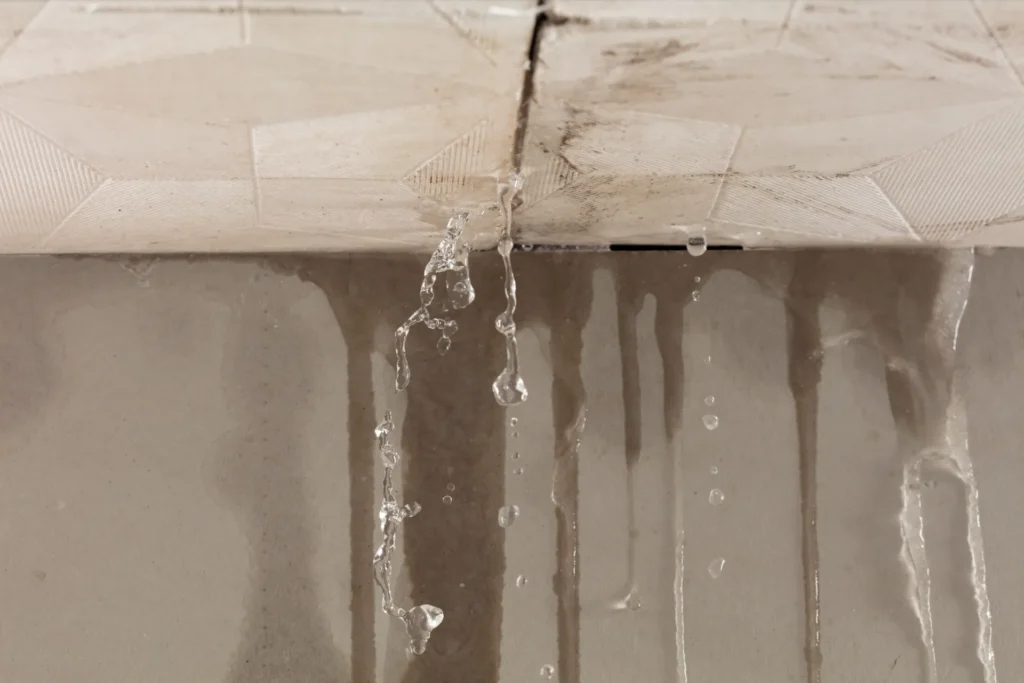
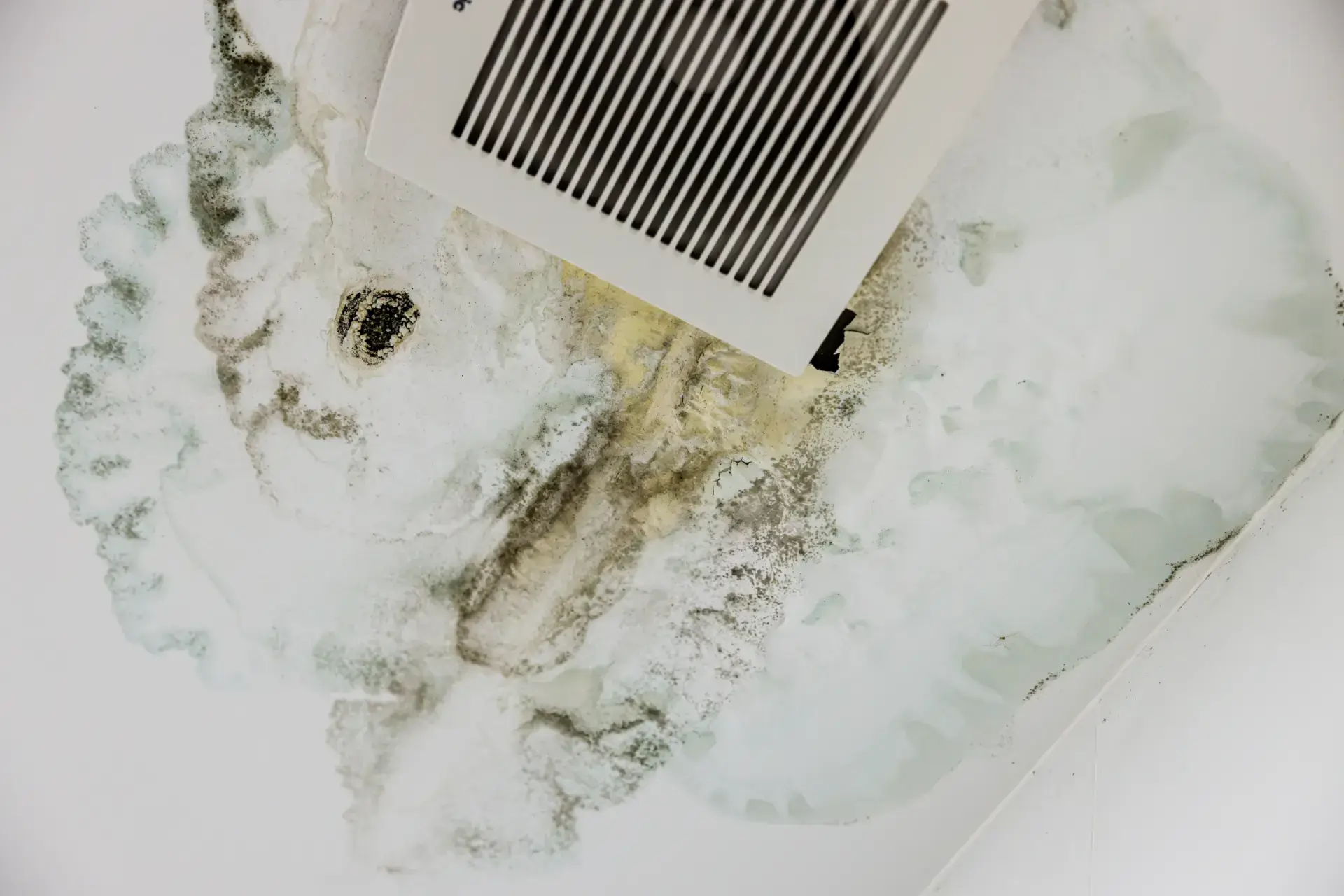
  • Higher water bills: If your bill suddenly spikes without an increase in use, it could indicate a hidden leak.
  • Damp or mould: Damp patches, a musty smell, or mould growth on walls and ceilings without an obvious cause.
  • Lower water pressure: A sudden or gradual drop in water pressure could be a sign of a leak in the system.
  • Discoloured water: Rust-coloured or brown water could indicate corrosion in a pipe, which often precedes a burst.

What to do if a pipe bursts

If the worst happens and a pipe does burst, don’t panic. Acting quickly is key.

  1. Shut off the water: Immediately turn off the main water supply at the stopcock.
  2. Turn off electricity: To prevent any electrical hazards, turn off the power to the affected area.
  3. Document the damage: Take photos and videos for insurance purposes. You may need them to support your claim later.
  4. Contact a professional: The most important step you can take is to get a professional to assess the damage and find the exact source of the leak. While some leaks are obvious, others can be hidden behind walls or under floors, making them difficult to find and repair. A specialist uses non-destructive methods to pinpoint the exact location of the leak, ensuring a quick and effective fix.

Don’t let a hidden leak cause catastrophic damage

Don’t let a hidden leak turn your winter into a nightmare. While you can’t see the leaks slowly weakening your pipes, we can. Our professional leak detection service uses specialist equipment to pinpoint the exact location of the issue, preventing a costly burst and giving you total peace of mind. Taking action now is the most reliable way to protect your home and avoid unexpected emergency repairs.

Concerned about a hidden leak? Contact our specialists for a site survey and to help protect your home from winter damage, or discover more about the service below.

Need to speak to a specialist urgently? Call 0800 088 4170

Frequently asked questions about burst pipes during winter

How can I prevent my pipes from bursting in freezing temperatures?

To prevent pipes from bursting in freezing temperatures, you should insulate vulnerable pipes (especially in unheated areas like lofts and garages), keep your home warm by maintaining a low constant temperature (e.g., 10-15°C) even when away, locate and know how to turn off your stopcock, and fix any leaking taps. Consider having a plumber inspect your plumbing system before winter.

Pipes burst in cold weather primarily because water expands as it freezes. When temperatures drop below zero, water inside uninsulated or exposed pipes turns to ice, increasing pressure within the pipe. This immense pressure can cause the pipe to crack or split, leading to a burst once the ice thaws and water can escape.

If a pipe bursts in your house, immediately shut off your main water supply using your stopcock to stop the flow of water. Next, turn off your electricity at the mains to prevent electrical hazards. Document the damage with photos for insurance purposes, and then promptly contact a professional flood damage clean-up service to mitigate water damage and prevent secondary issues like mould.

Pipes most at risk of bursting in winter are those located in unheated areas of your home, such as lofts, basements, garages, and pipes running along or through external walls. Outdoor taps and pipes in outbuildings are also particularly vulnerable due to direct exposure to freezing temperatures and insufficient insulation.

Yes, pipe insulation (lagging) significantly reduces the risk of pipes freezing and bursting. It works by trapping heat around the pipe, keeping the water inside above freezing point. While not fool proof in extreme cold or if poorly installed, insulating pipes, especially in cold areas, is a highly effective preventative measure against winter pipe damage.

Besides immediate water damage, the consequences of a burst pipe include structural damage to your property (e.g., weakened foundations, rotting timber), extensive mould growth due to persistent dampness (which can appear within 24-48 hours and cause serious respiratory and health issues), and significant financial costs for repairs and restoration.

Keeping your home warm, even at a low constant temperature (e.g., 5-10°C), helps prevent pipes from bursting by circulating warm air throughout the property. This prevents the temperature around your internal pipes, especially those in cupboards, lofts, or near external walls, from dropping to freezing point, thus stopping the water inside from turning to ice and expanding.

Picture of Tahlia Ibrahim - Delivery Manager

Tahlia Ibrahim - Delivery Manager

Tahlia has over four and a half years of in-depth experience across various facets of the disaster recovery industry. Having progressed through roles in marketing and sales to her current position, Tahlia possesses a comprehensive understanding of the entire business operation, from initial client contact to meticulous service delivery. A certified BioSweep Specialist, she excels in advanced odour elimination techniques, ensuring thorough restoration.

Other articles

Explore more articles about damage restoration, specialist cleaning and what we do

Soot damaged property with blackened walls.

Soot damage in your property? Here’s how to clean-up and recover fast

To clean up and recover fast from soot damage in your UK property, immediately prioritise safety by ensuring ventilation and avoiding direct contact with contaminated surfaces, as soot contains toxic and corrosive chemicals that pose serious health risks and cause further property damage. While documenting for insurance, do not attempt...

READ MORE

Water damaged ceiling

Leak detection near me: UK Guide to finding the right expert

Hidden water leaks can cause significant damage, skyrocket water bills, and lead to mould growth if left undetected. Professional leak detection near you is essential for accurately pinpointing these invisible issues using non-invasive techniques like acoustic listening, thermal imaging, and tracer gases. Choosing a local expert leak detection service provider...

READ MORE

Heater on fire near chair

What dangers can result from fire damage?

After a fire, getting back to normal is often first on your mind, but it’s important to make sure the building is safe before trying to continue living or working there. The high temperatures reached during a fire affect every part of the building, so many hazards and dangers can...

READ MORE

Speak to our team

If you’re dealing with fire damage, flooding, or an environmental incident, our team is ready to respond. No matter if you have a question or have an emergency that you need help with, call:

0800 088 4170

If you’d prefer to drop us a message, use our main contact form and upload any pictures of the incident. 

Would you like us to call you? Fill out the short ‘Request a call back’ form.
Request a call back