Available 24/7 | 0800 088 4170

Available 24/7 | 0800 088 4170
Diesel spills can occur suddenly and often without warning. A leaking vehicle, overfilled fuel tank, damaged storage container or delivery incident can release diesel onto driveways, car parks, roads or commercial premises within seconds.
While the spill itself may appear minor at first, diesel spreads quickly across surfaces and can penetrate porous materials such as concrete, asphalt and soil. If it reaches drainage systems, it can also travel much further than the original spill location.
For property owners, businesses and facilities managers, dealing with a diesel or oil spills quickly is essential to prevent contamination, protect surfaces and avoid wider environmental issues.
Professional diesel spill clean-up services help contain the fuel, remove residues and restore affected areas safely.
Skip to:
Quick summary: Diesel spill clean-up
Diesel spills in the UK: Key statistics
Why diesel spills are a serious issue
Common causes of diesel spills
Environmental risks of diesel spills
How diesel affects different surfaces
When professional diesel spill clean-up is needed
How professional diesel spill clean-up works
Conclusion: Why rapid diesel spill response matters
FAQs
Diesel spills require careful management to prevent contamination and environmental damage.
Key points to understand:
Responding quickly significantly reduces the risk of long-term contamination.
Fuel spills are more common than many people realise, particularly in urban and industrial environments where vehicles and fuel storage systems are used daily.
Some important figures highlight the scale of the issue:
These statistics highlight why fuel spills must be dealt with quickly and responsibly.
Diesel is a petroleum-based fuel containing hydrocarbons that can persist in the environment if not properly removed.
Once spilled, diesel can spread rapidly across surfaces before gradually soaking into materials or entering drainage systems. This can lead to several problems:
For commercial sites, spills may also create environmental compliance concerns if contamination spreads beyond the immediate area.
Diesel spills can occur in a variety of situations:
In many cases, what begins as a small spill can quickly spread if not contained.
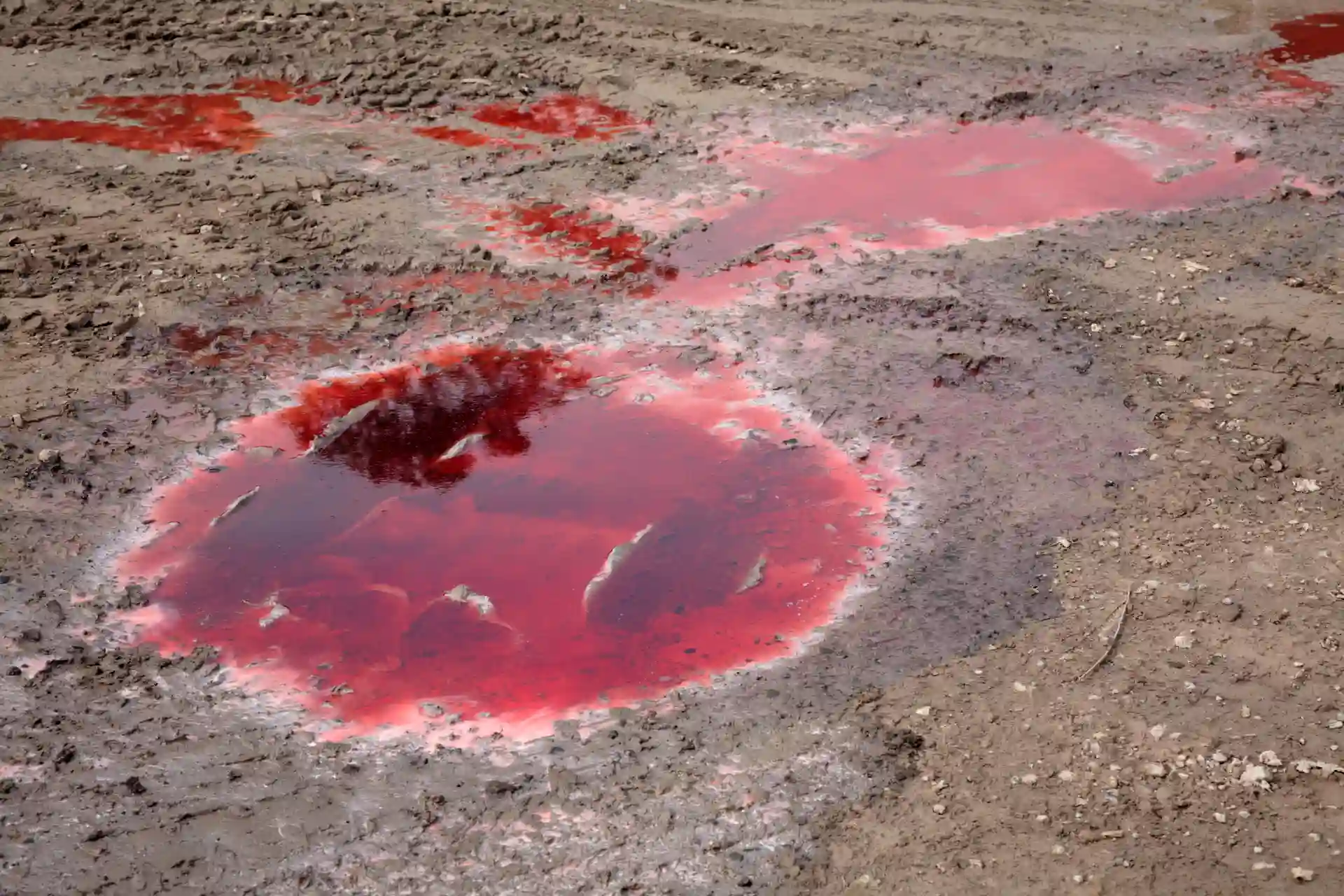
Diesel spills are not only a surface contamination issue, they can also present environmental risks. If diesel enters drainage systems, it may eventually reach rivers, streams or groundwater. Hydrocarbon contamination can harm aquatic environments and is taken seriously by environmental regulators.
For businesses and property owners, preventing fuel from entering drainage systems is therefore a priority following any spill.
One of the main challenges with diesel contamination is how easily it can penetrate certain materials:
Because of these risks, prompt clean-up is always recommended.
Some minor spills can be contained quickly, but many situations require specialist assistance. Professional spill response is often recommended when:
Specialist cleaning teams have the equipment and expertise required to manage contamination safely.
Professional spill response typically involves several key stages:
This approach helps return the affected area to a safe and usable condition.
Diesel spills can occur unexpectedly, but the impact can extend far beyond the initial incident. Because diesel spreads quickly and can penetrate surfaces such as concrete, tarmac and soil, even a relatively small spill can result in persistent contamination if it is not dealt with promptly.
In the UK, fuel pollution incidents are reported to environmental regulators every year, and even small quantities of diesel can contaminate vast amounts of water if they reach drainage systems or waterways.
For property owners and businesses, acting quickly after a spill is the most effective way to minimise environmental risk, prevent long-term surface damage and restore affected areas safely.
Professional diesel spill clean-up services ensure that contamination is properly contained, removed and managed in accordance with best practice.
Ideal Response provides specialist diesel, fuel, chemical and oil spill response services across the UK, helping homeowners, businesses and property managers deal with fuel contamination quickly and effectively.
If you are dealing with a diesel spill on your property or commercial site, contact Ideal Response today for expert advice and rapid professional assistance. Acting early can prevent the problem from becoming far more serious.

Chris Hedges is Head of Marketing at Ideal Response and the author of every article published on this site. With over 25 years of senior marketing experience across property, legal, and professional services sectors, Chris brings a clear, evidence-led approach to writing about fire damage, flood restoration, and specialist property remediation. His philosophy is simple: cut through the noise, respect the reader's time, and give people the information they actually need.
Explore more articles about damage restoration, specialist cleaning and what we do