Available 24/7 | 0800 088 4170

Available 24/7 | 0800 088 4170
A hidden water leak is a source of immense stress for any homeowner. The anxiety of a rising water bill and the fear of structural damage are immediate, but often, the biggest concern is the cost. Will you have to pay thousands of pounds just to find the source of the problem? The short answer is: in most cases, yes, your home insurance policy can help. However, the details are critical. This guide will walk you through the specifics of UK insurance coverage, explain the crucial ‘Trace and Access’ clause, and show you exactly what to do to ensure your claim is successful.
Skip to:
The financial threat of a water leak
What is ‘Trace and Access’?
You have the right to choose your own contractor
Why your claim depends on a professional service
Simple steps to a successful insurance claim
What you must know to avoid a rejected claim
Next steps and talk to the team
FAQs
Before we delve into the insurance details, it’s essential to understand the scope of the problem. A water leak isn’t just a nuisance; it’s a major financial risk. According to the Association of British Insurers (ABI), UK insurers pay out a staggering £1.8 million every day for ‘escape of water’ claims. Water damage is the most common reason for home insurance claims, and the average cost is well over £2,500. However, the cost of a hidden leak can skyrocket if it requires extensive investigation or causes significant structural damage.
This is where your insurance policy becomes your most important ally.
Most home insurance policies don’t just cover the damage caused by a leak, they also cover the cost of finding it. This is thanks to a specific clause known as ‘Trace and Access’ cover.
So, what is it?
The ‘trace’ part refers to the process of professionally locating the source of the leak. This involves using non-destructive, specialist equipment such as thermal cameras, acoustic listening devices, or tracer gas to pinpoint the exact location of the leak without ripping up your floors or walls.
The ‘access’ part refers to the cost of getting to the leak once it has been located. For example, it would cover the cost of removing floorboards, cutting into a wall, or lifting tiles to expose the pipe that needs repairing. It also covers the cost of repairing the area that was disturbed in the process of gaining access.
It’s crucial to understand that Trace and Access typically does not cover the cost of repairing the leak itself (e.g. replacing the pipe). This cost is usually covered under a separate Escape of Water clause in your buildings insurance policy.
When you call your insurer about a claim, they will almost always try to direct you to a list of their ‘approved’ or ‘preferred’ contractors. This is because they have pre-negotiated, lower rates with these companies.
However, in the UK, you have the legal right to choose your own contractor for leak detection and repairs.
Your insurer cannot force you to use their supplier. While they may try to influence your decision by suggesting it will simplify the process, choosing an independent professional offers several advantages:
It’s important to check your policy for any clauses about an ‘additional excess’ for not using an approved supplier, but know that you can often challenge these terms. Always inform your insurer that you are choosing your own contractor and will be sending them a formal report for their review.
Your insurance company will only cover the cost of finding a leak if the method used is considered ‘reasonable’ and non-destructive. This is a key reason why attempting a DIY search is a major mistake.
An unprofessional, destructive search could lead to your insurer refusing to reimburse you for the costs of repairing the damage you caused. A professional leak detection service, however, provides two things your insurer needs to approve a claim:
By hiring a professional such as Ideal Response, you are not just finding the leak, you are building a compelling case for your insurance claim.
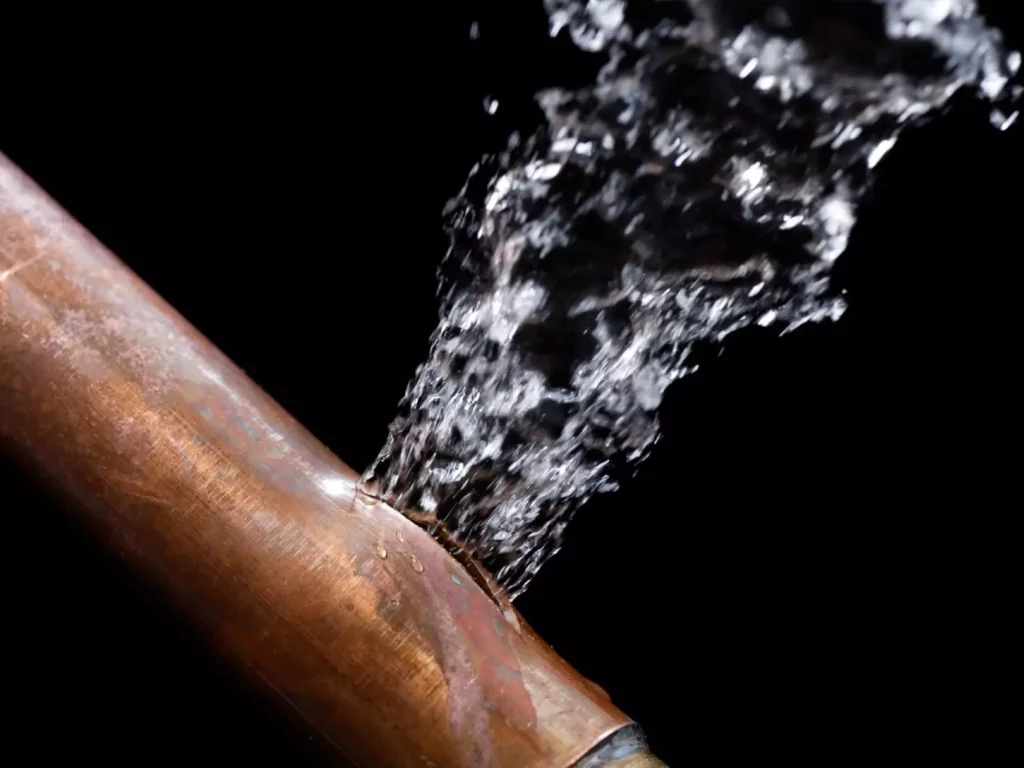
Facing a leak can feel overwhelming, but following a clear process can streamline your insurance claim and save you stress and money.
It is important to remember that a professional leak detector can provide a quote on site for repair (if it is more than a temporary or simple fix). By following these steps, you demonstrate to your insurer that you acted responsibly and that your claim is legitimate.
While Trace and Access cover is a fantastic safety net, there are a few reasons your claim might be rejected:
A professional leak detection service not only finds your leak but also provides the necessary documentation to protect your claim.
Discover how our leak detection service identified the cause of water ingress in the basement of a 1900s property and stopped further secondary damage. Read the case study.
A hidden water leak is a silent threat to your home and your finances. But thanks to Trace and Access insurance cover, you don’t have to face the financial burden alone. The key is to act quickly, understand your policy, and call in an independent professional. By taking these steps, you not only protect your property but also take control of the situation and turn a moment of crisis into a straightforward, manageable solution.
Don’t let an unseen leak damage your home and your finances. Contact our professional team for a non-destructive assessment that your insurance company will trust.

Chris Hedges is Head of Marketing at Ideal Response and the author of every article published on this site. With over 25 years of senior marketing experience across property, legal, and professional services sectors, Chris brings a clear, evidence-led approach to writing about fire damage, flood restoration, and specialist property remediation. His philosophy is simple: cut through the noise, respect the reader's time, and give people the information they actually need.
Explore more articles about damage restoration, specialist cleaning and what we do
If you’re dealing with fire damage, flooding, or an environmental incident, our team is ready to respond. No matter if you have a question or have an emergency that you need help with, call:
If you’d prefer to drop us a message, use our main contact form and upload any pictures of the incident. Would you like us to call you? Fill out the short ‘Request a call back’ form.