Available 24/7 | 0800 088 4170

Available 24/7 | 0800 088 4170
Winter in the UK is the peak season for domestic fires. Between December and February, fire brigades respond to over 40% more house fires than the rest of the year. Heating failures, candles, overloaded sockets, and portable heaters all contribute to the surge.
While the flames may only last minutes, the aftermath often lingers for weeks. Smoke permeates walls and furniture, soot corrodes metals, and water used in firefighting can create damp and mould in just a few days. Many homeowners and landlords are shocked by how much fire damage restoration actually costs, especially the hidden expenses nobody mentions.
In this guide, we’ll break down the real costs of winter house fire cleanup, the restoration process, and how to protect your property and insurance claim.
Skip to:
Why winter fires cause more damage than summer fires
The hidden costs after a winter house fire
Insurance coverage and common pitfalls
The winter fire restoration process
Why acting quickly matters
Act fast with Ideal Response after a winter fire
FAQs
Closed windows and running heating systems trap smoke inside. This means smoke contamination penetrates deeper into fabrics, furniture, and even electrical wiring.
These factors make accidental ignition more likely and fires more destructive.
Icy roads, dark evenings, and holiday schedules can increase response times, giving smoke and heat more opportunity to spread.
Many people expect the major cost to come from burnt walls or furniture. In reality, the most expensive damage is often hidden.
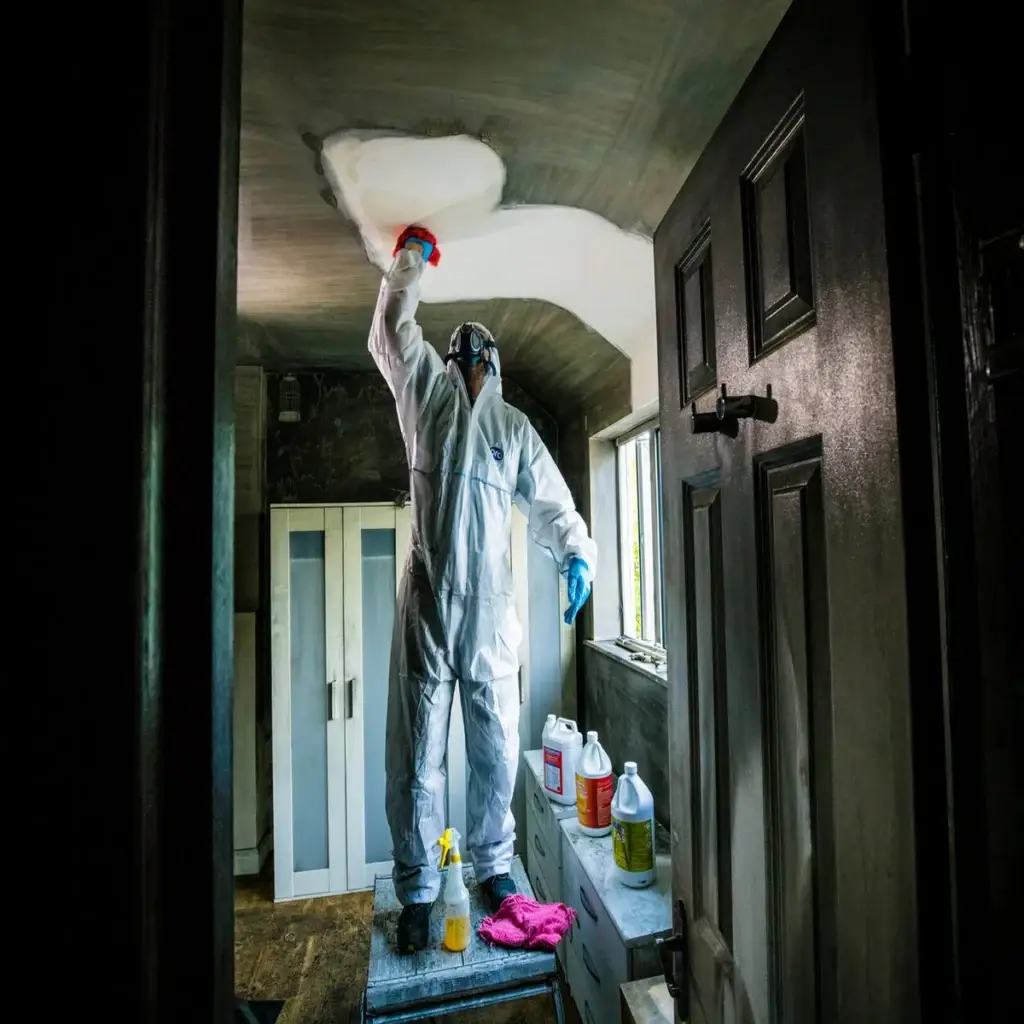
Smoke particles cling to walls, ceilings, carpets, soft furnishings, and ventilation systems. Winter conditions worsen the problem since ventilation is limited.
Professional treatment includes:
DIY solutions only mask odours temporarily and cannot remove deeply embedded smoke molecules.
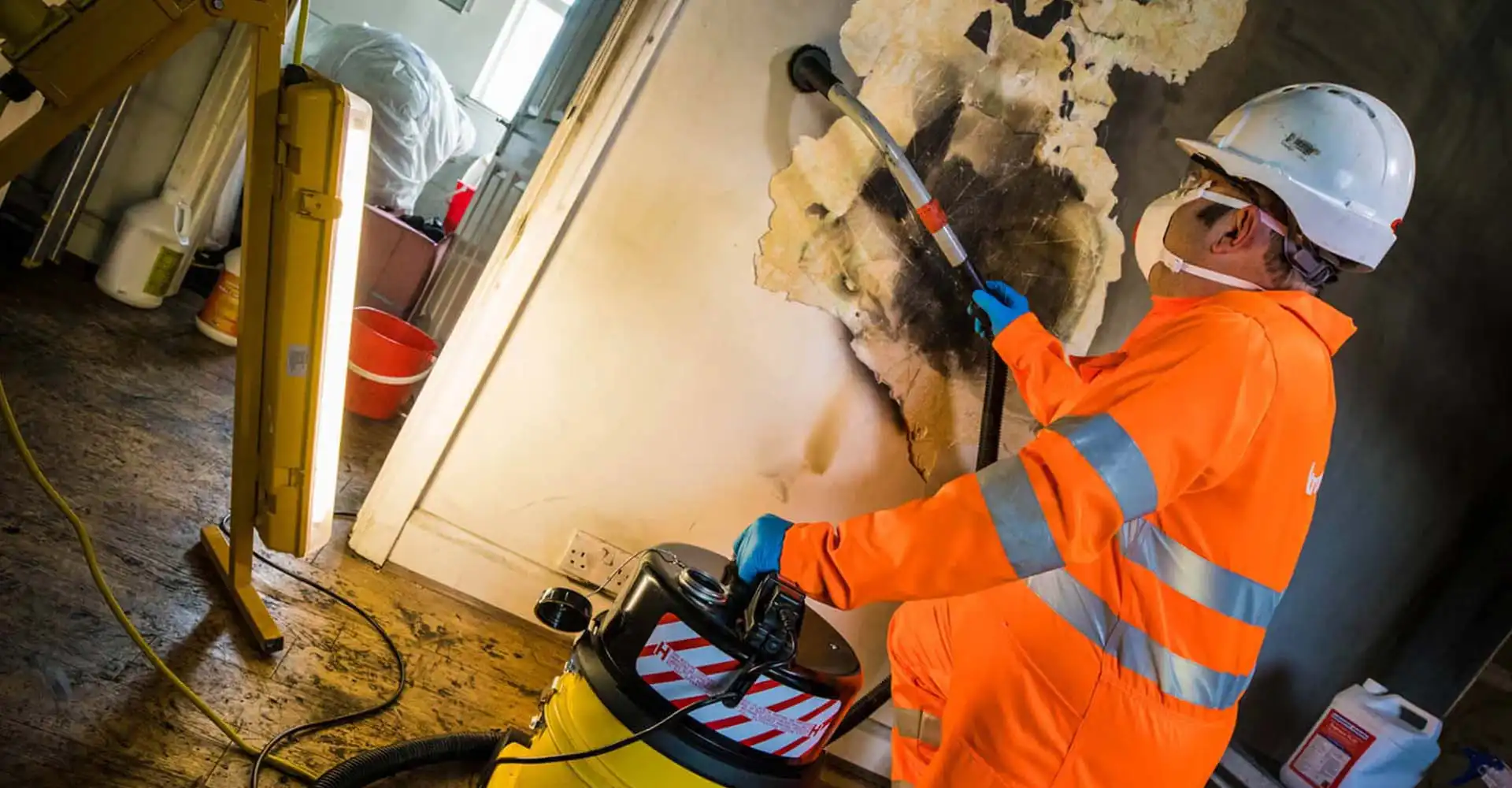
Soot is acidic and corrosive. It can begin damaging metals, light fixtures, and electronics within hours.
Professional cleaning involves:
This is labour-intensive and requires specialist chemicals and training (COSHH-compliant).
Firefighting often leaves properties saturated. Water can warp floors, saturate insulation, and promote mould within 48 hours.
A professional drying programme includes:
If the property is unsafe, insurers may cover temporary housing. Winter fires tend to create more smoke and water damage, extending the restoration timeline and the time you are displaced.
Fabrics exposed to smoke may require replacement or specialist cleaning. Smoke can permanently embed in soft furnishings in as little as 10 – 15 minutes.
Soot is conductive. Fire can damage sockets, fuse boxes, lighting, and appliances. A qualified electrician is essential to certify the property safe to occupy.
Most UK home insurance policies cover fire and smoke damage, but exclusions are common:
Typically covered
Often not covered:
Knowing the limitations before a claim is submitted can save time and stress.
A professional restoration team follows a clear workflow:
Delaying even 24 hours can lead to:
Insurers and restoration experts strongly recommend rapid intervention to protect health, property, and claim value. To learn more about the professional fire damage restoration process, check out our Smoke & Soot Deposit Cleaning case study. This case study will give you a better idea of what each stage of fire damage cleaning consists of and what success looks like from start to completion.
Winter fires leave more than visible damage. Smoke, soot, and water can silently destroy a property long after the flames are out. Acting quickly with a professional fire damage restoration company not only restores your home or business but also protects your health, ensures insurance compliance, and prevents long-term issues like mould and permanent odours.
Ideal Response provides comprehensive, rapid support across the UK, including:
We work with homeowners, landlords, commercial clients, and insurers to restore properties quickly, safely, and thoroughly.
When a winter fire strikes, every hour matters. Contact our experts immediately to minimise damage, secure your property, and ensure the restoration is done right.

Chris Hedges is Head of Marketing at Ideal Response and the author of every article published on this site. With over 25 years of senior marketing experience across property, legal, and professional services sectors, Chris brings a clear, evidence-led approach to writing about fire damage, flood restoration, and specialist property remediation. His philosophy is simple: cut through the noise, respect the reader's time, and give people the information they actually need.
Explore more articles about damage restoration, specialist cleaning and what we do
If you’re dealing with fire damage, flooding, or an environmental incident, our team is ready to respond. No matter if you have a question or have an emergency that you need help with, call:
If you’d prefer to drop us a message, use our main contact form and upload any pictures of the incident. Would you like us to call you? Fill out the short ‘Request a call back’ form.