Factory Deep Cleaning Eastbourne | Ideal Response

Available 24/7 | 0800 088 4170

Factory deep clean for an Eastbourne steel fabricator

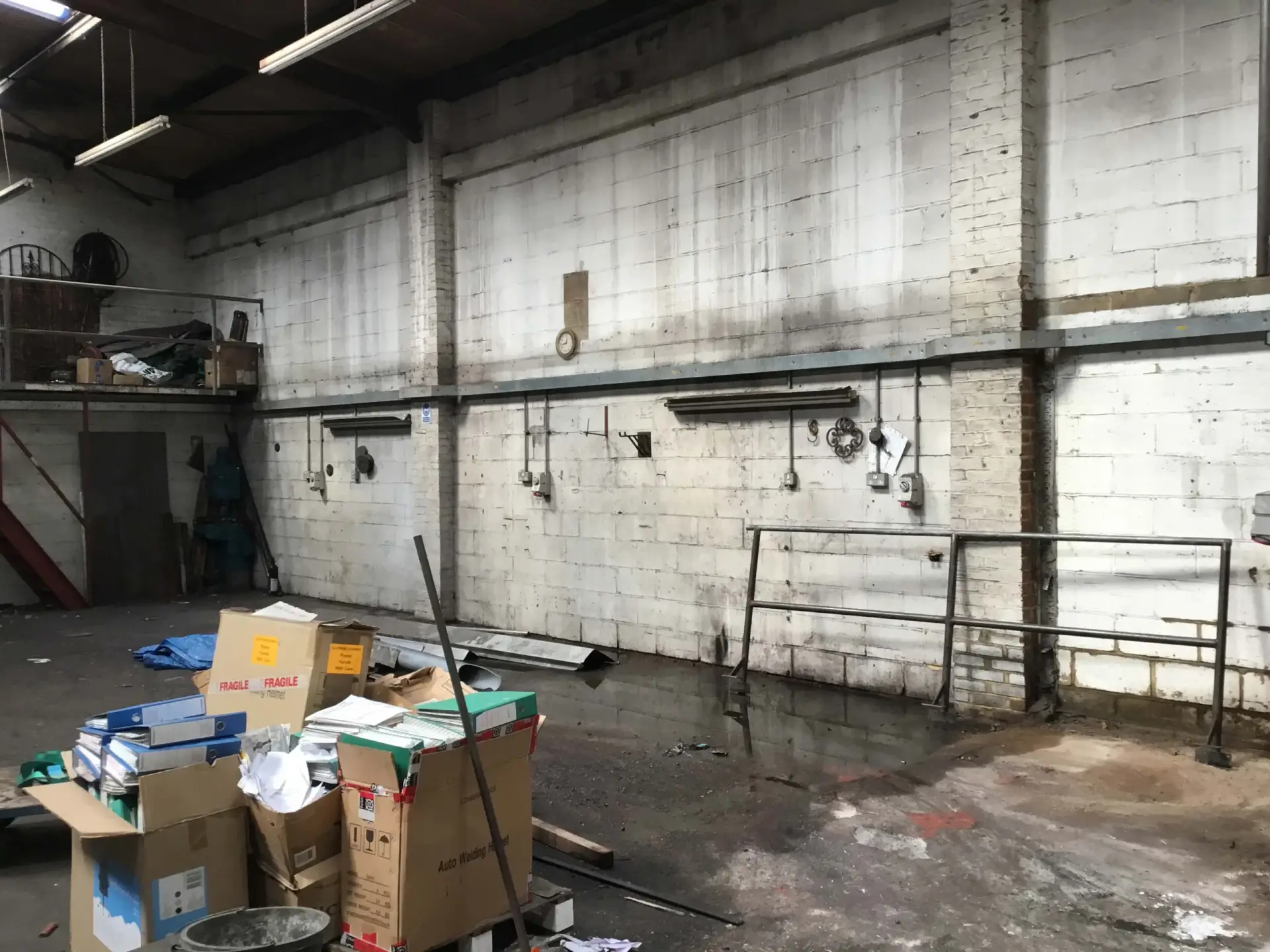
After moving to new premises, an Eastbourne steel fabrication business needed its former factory professionally cleaned before the unit was handed back to the landlord. Years of fabrication activity had left dirt, grease and grime across the concrete floor, painted block walls and ceiling and wall cladding.

The condition of the different surfaces meant this was not simply a matter of making the warehouse look presentable. Painted walls needed to be prepared for redecoration, the concrete slab carried embedded contamination, and the water-resistant plasterboard cladding required realistic expectations because staining and shadowing could remain even after thorough cleaning.

Ideal Response surveyed the unit before work began and developed a four-day internal cleaning programme covering the ceiling, walls and floor. DOFF steam cleaning, specialist detergents and mechanical cleaning were combined with controlled wastewater recovery so the cleaning process itself did not create an uncontrolled discharge.

Dirty factory walls and floor in Eastbourne
Location
Eastbourne, East Sussex
Duration
4 Working Days
Service
Commercial Deep Cleaning
Sector
Manufacturing

A handover clean shaped by years of fabrication

The factory had accumulated different types of contamination across different substrates. The concrete slab carried years of dirt, grease and grime, while the painted block walls needed cleaning before they could be decorated. Higher-level cladding had also accumulated bonded dirt over time.

Because the unit was being returned to the landlord, the objective was to improve the condition of the whole internal space for handover rather than concentrate on one isolated area.

The survey set realistic expectations before work began

A site survey was carried out before the cleaning programme was agreed. This allowed the condition and construction of the factory to be assessed and the cleaning methods to be planned around the actual surfaces present.

Importantly, the limitations of the cladding were addressed before mobilisation. The customer was advised that shadowing and staining could remain visible after cleaning because of the material make-up. A successful industrial clean should be judged against what the substrate can realistically achieve, not against an assumption that every aged surface will look new.

Different surfaces called for different cleaning methods

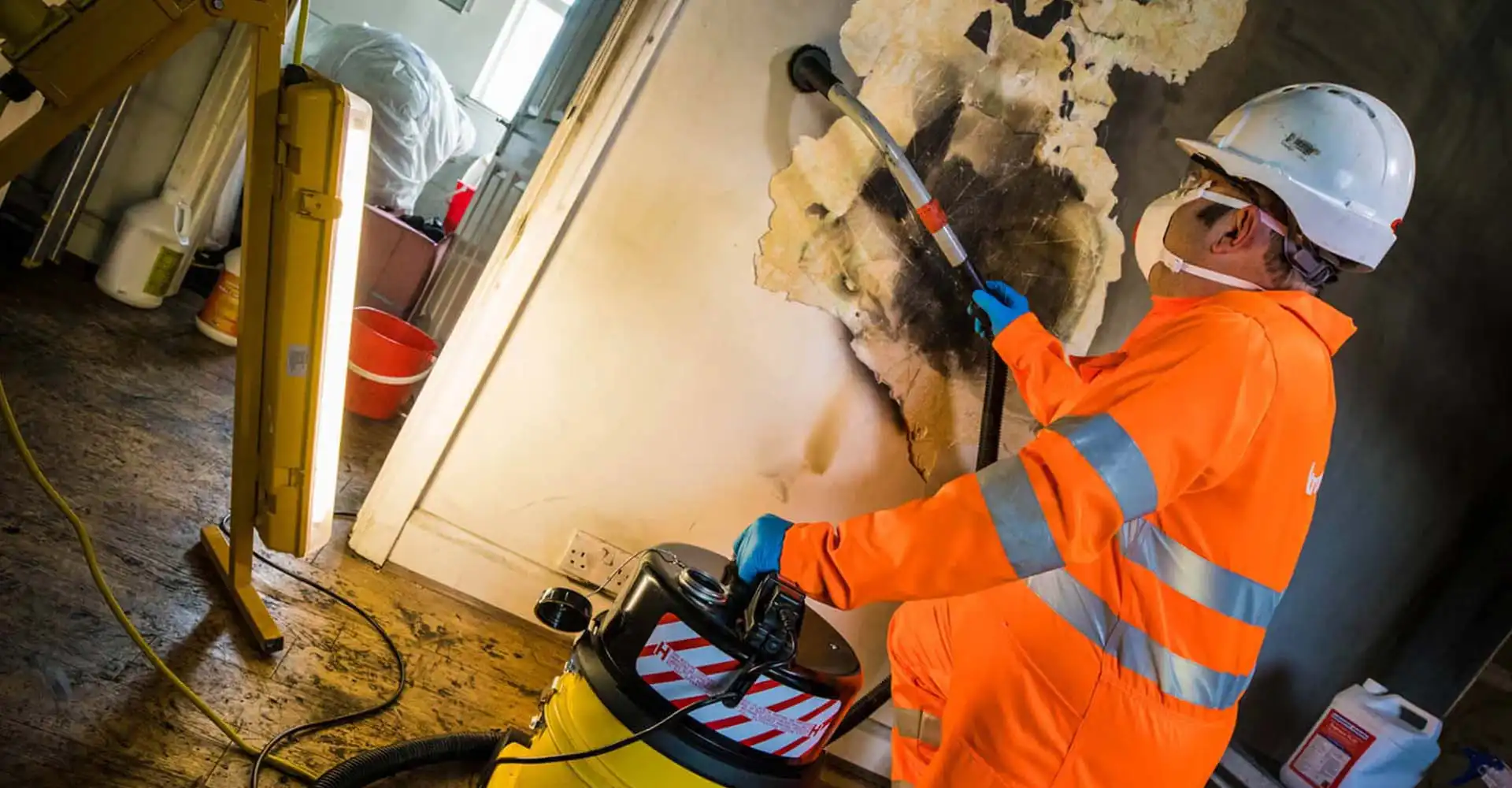
The internal clean covered the factory ceiling, walls and floor. A Stonehealth DOFF Integra system was used as part of the cleaning methodology for built-up contamination, with specialist cleaning products supporting the treatment of dirt and grease.

The concrete floor required a different approach from the cladding and painted walls. Mechanical cleaning was used to work on accumulated grime and grease across the slab, while the wider programme was sequenced so contamination and wastewater generated during cleaning could be controlled.

Wastewater had to leave the factory in a controlled way

Water management formed part of the method from the outset. Rather than allowing cleaning water to run to drain, wastewater was recovered using wet-vac equipment and transferred into an IBC tank for removal.

This made containment part of the cleaning process itself. For an industrial deep clean, how residues and wastewater are managed can be just as important as the equipment used to release contamination from the surface.

Four days of cleaning prepared the unit for handover

The cleaning programme was delivered across four days, covering the internal ceiling, walls and concrete floor. The work removed accumulated dirt, grease and grime and prepared the unit for the next stage of its handover.

The finish was judged against the limitations identified at survey. Areas of aged cladding could retain shadowing or staining because of the substrate itself, so the outcome was a thoroughly cleaned industrial unit rather than an unrealistic promise that every original surface would be visually restored to new condition.

Clean and restored are not the same thing

Related information

Commercial Cleaning ServicesSpecialist Cleaning

Need urgent help?

Call our team 24/7 on 0800 088 4170.

Send an Enquiry
The methodology was built around the factory’s mix of surfaces and the need to control what the cleaning process produced. Steam cleaning and specialist detergents were used where suited to bonded contamination on walls and cladding, while the concrete slab required mechanical cleaning to work on embedded dirt and grease. As cleaning progressed, wastewater was recovered rather than discharged to drain and transferred into contained storage for removal. Surface treatment and waste control therefore formed part of the same coordinated process.

Project insight

This project shows why a pre-clean survey can be particularly valuable in industrial buildings. Different substrates respond differently to cleaning, and years of use can leave permanent staining as well as removable contamination. Agreeing those limitations in advance allowed the cleaning programme to focus on what could be improved safely and effectively while setting a credible standard for the final handover.

Renatas Rinkevicius
Exterior Cleaning Specialist
“On an older industrial surface, a successful deep clean does not always mean returning the material to an as-new appearance. You need to separate removable dirt and grease from staining or shadowing that has become part of the substrate. Establishing that at survey stage helps us choose the right method and gives the customer a realistic benchmark for the finished clean.”