Prison Deep Cleaning Hampshire | Ideal Response

Available 24/7 | 0800 088 4170

Deep cleaning prison shower blocks and serveries in Hampshire

A Category B men’s prison in Hampshire required specialist deep cleaning across shower blocks and serveries in three occupied wings. Years of heavy use had left dirt and grime across a mixture of stainless steel, tiled, painted and vinyl surfaces, with flaking wall paint and peeling floor coatings adding to the maintenance challenge.

The environment shaped the job as much as the cleaning itself. Works could only take place between 6pm and 9pm, and each wing had to be completed individually so that cleaning activity fitted around the prison’s operating routine.

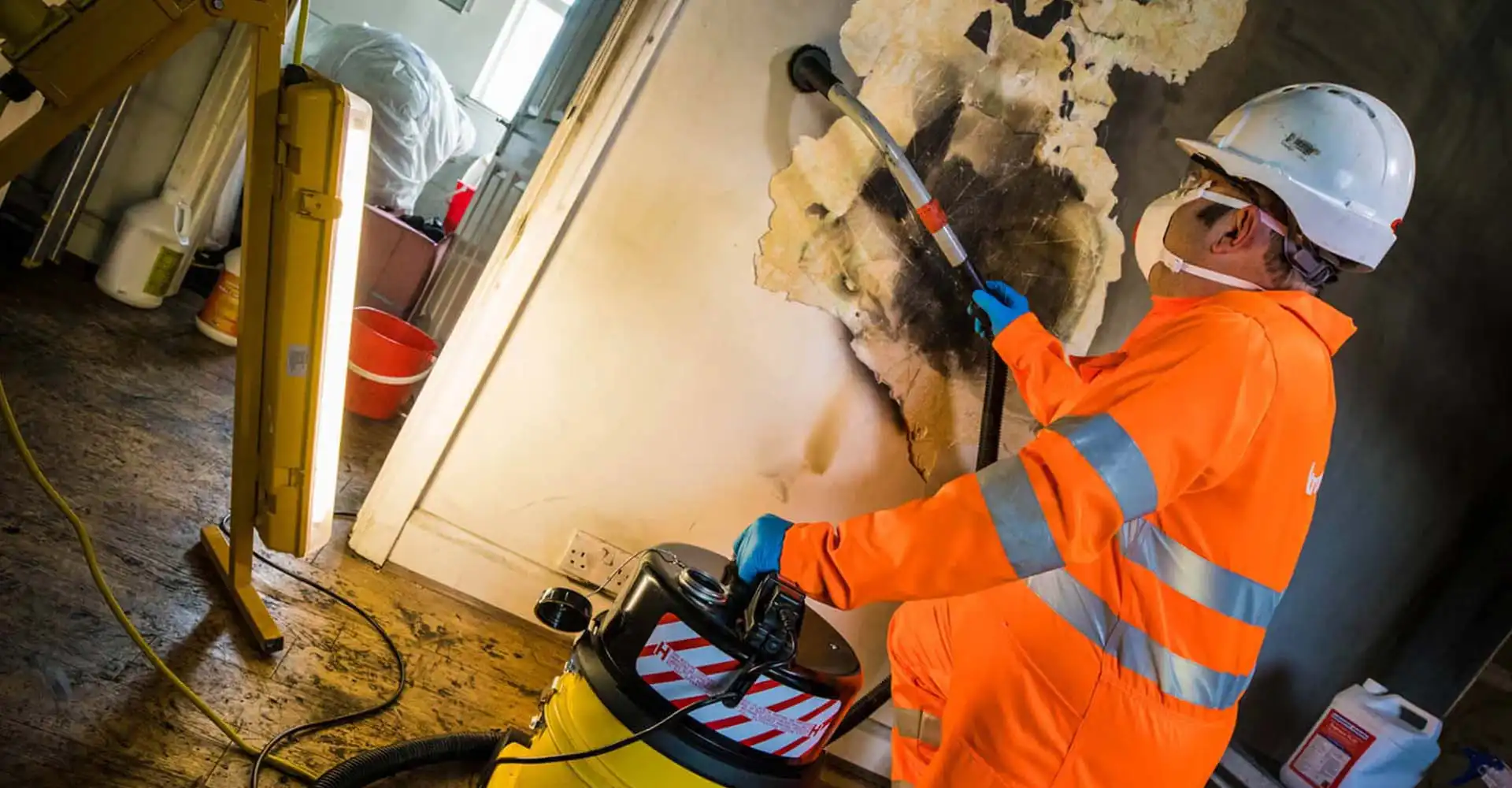
Ideal Response developed a mixed-method programme rather than applying one cleaning technique everywhere. Hand cleaning was used where it suited the surfaces and layout, while DOFF steam cleaning was introduced in wings B and C to tackle heavier grime and loose paint with low-pressure, high-temperature steam.

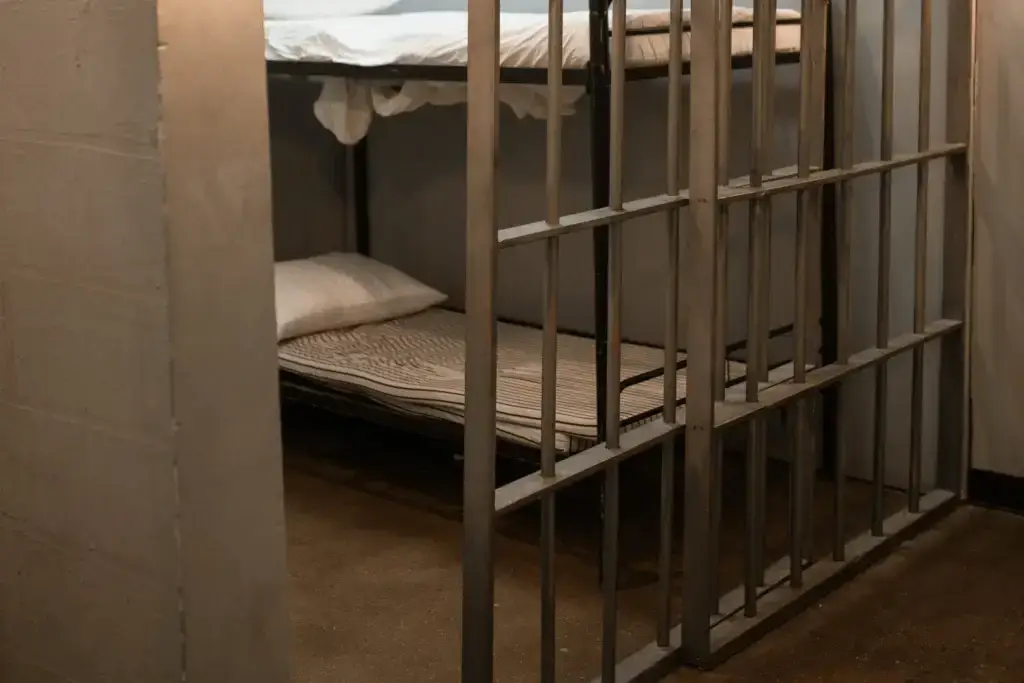
Prison cell
Location
Hampshire
Specialist Equipment
DOFF
Service
Specialist Cleaning Services
Sector
Public Sector

Three wings, several surface types and one narrow working window

Project insight

The defining challenge was not simply the level of grime. It was delivering the right cleaning method across different surfaces while working inside a tightly controlled operational environment. Using manual cleaning and DOFF selectively meant the methodology could follow the needs of each wing rather than forcing every area through the same process.

The programme covered shower blocks and serveries in wings A, B and C. The shower areas varied between stainless-steel portal-style cubicles and tiled or painted construction, while the serveries combined plastic-lined surfaces, heavy-duty non-slip vinyl flooring and stainless-steel sinks and serving areas.

That variation mattered because the same cleaning method was not appropriate everywhere. The team also had to work within a three-hour evening window and complete one wing at a time, making sequencing and method selection central to the delivery plan.

Matching the cleaning method to each wing

Following inspection, wing A was allocated for manual deep cleaning using degreasers and scrubbing equipment. This allowed the team to work directly across the stainless steel, painted surfaces and heavy-duty flooring without introducing a steam-cleaning system where it was not required.

Wings B and C were treated differently. Their shower areas were suitable for DOFF steam cleaning, which uses high-temperature steam at low pressure. The method provided a way to tackle accumulated grime and loose, flaking paint while keeping water volumes relatively low.

Why DOFF suited the heavier cleaning areas

In a washroom environment, adding unnecessary water can create its own operational problem. DOFF uses comparatively low volumes of water, reducing saturation and runoff when compared with conventional pressure washing.

For wings B and C, that combination of heat, low pressure and controlled water use allowed the team to clean the shower surfaces and remove loose paint while leaving the affected areas suitable for subsequent maintenance or redecoration where required.

Working around the prison rather than disrupting it

Steve Kiddell
Biohazard Cleaning Specialist
“On a site like this, the most effective approach is not to choose one piece of equipment and use it everywhere. You have different substrates, different levels of build-up and strict access restrictions. The cleaning method has to follow the surface and the operational conditions, which is why combining controlled manual cleaning with low-pressure steam cleaning made sense here.”

Related information

Commercial Cleaning ServicesSpecialist Cleaning

Need urgent help?

Call our team 24/7 on 0800 088 4170.

Send an Enquiry
The methodology was deliberately split by area rather than treating the prison as one uniform cleaning job. Manual degreasing and scrubbing gave the team control across wing A and other areas where direct surface cleaning was appropriate. DOFF steam cleaning was reserved for the shower areas in wings B and C, where high-temperature, low-pressure cleaning could address heavier grime and flaking coatings while limiting water saturation. The two methods were then sequenced around the prison’s evening access window, with each wing completed individually.

The cleaning programme was carried out during the designated 6pm to 9pm window. Completing the wings individually allowed the team to keep the work controlled and aligned with the prison’s movement and operational requirements.

This was an important part of the project rather than simply a scheduling detail. In an occupied custodial environment, a technically suitable cleaning method still has to be deliverable within the restrictions of the site.

Cleaner facilities with surfaces ready for ongoing upkeep

The targeted shower blocks and serveries across wings A, B and C were deep cleaned using the method selected for each area. In the DOFF-treated sections, accumulated grime and loose paint were removed, leaving cleaner surfaces ready for ongoing maintenance and potential redecoration where needed.

The programme also supported the original operational objective: improving the condition of high-use communal areas so that routine day-to-day cleaning could be maintained more effectively after the specialist deep clean.
Method selection matters more than using one system everywhere