Available 24/7 | 0800 088 4170

The school contacted Ideal Response on the afternoon of 15 September 2025 after a fridge fire had affected the kitchen and adjoining areas. The fire brigade had already brought the fire under control, leaving soot and fire residues to be dealt with across the affected parts of the building.
The reception area was identified as the first priority, with the team taking guidance from the school on arrival. Four ground-floor classrooms and the staircase beside the main hall were also prioritised, including structural surfaces and classroom contents.
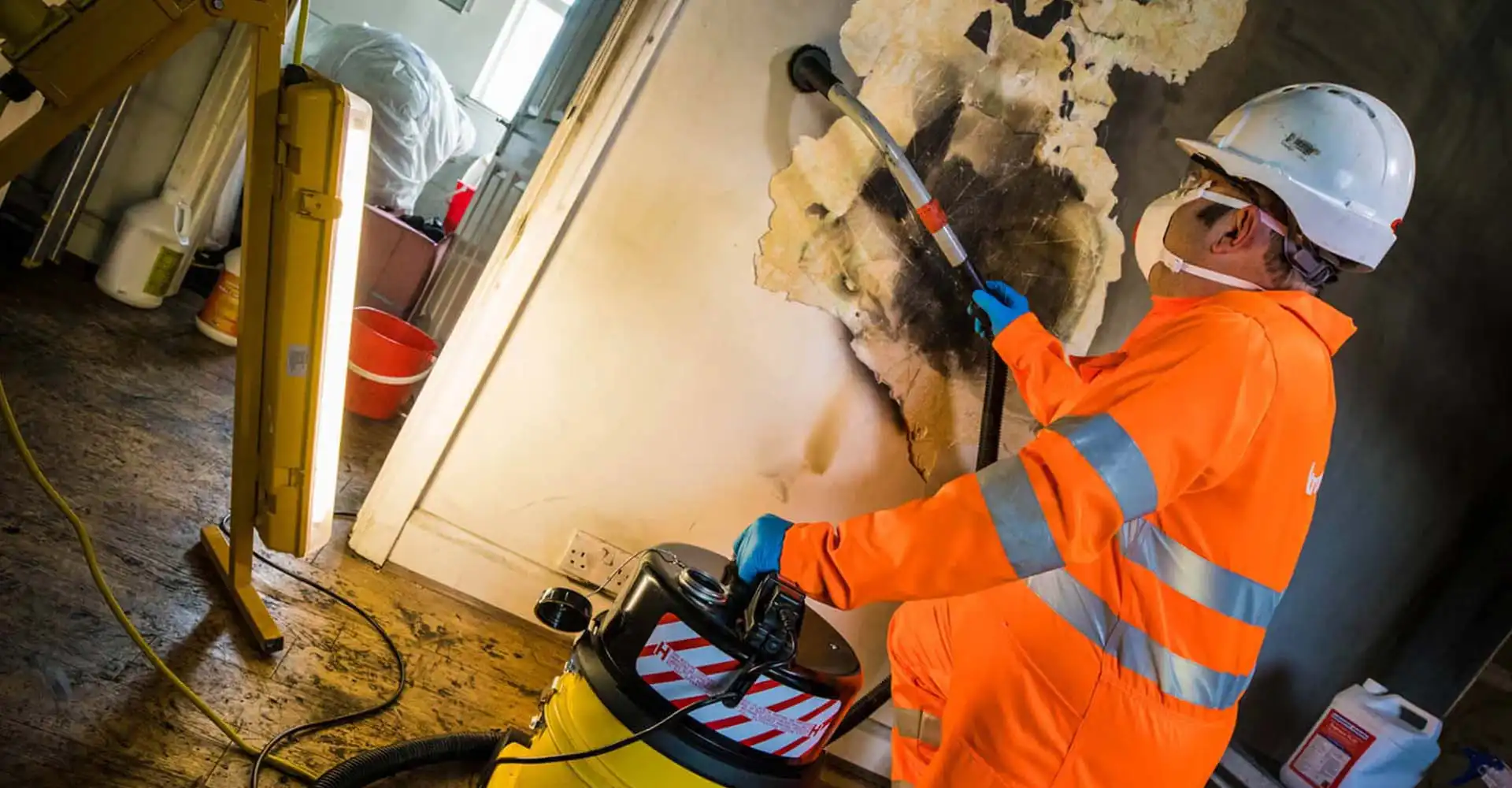
Loose soot was addressed first using HEPA-filtered vacuuming. Beginning with dry recovery helped remove particulate contamination before wet products were introduced and reduced the risk of carrying loose soot into cleaner areas during the subsequent stages.
The team then progressed through a multi-stage cleaning process, separating loose-soot recovery from the treatment of residues that remained on suitable surfaces.
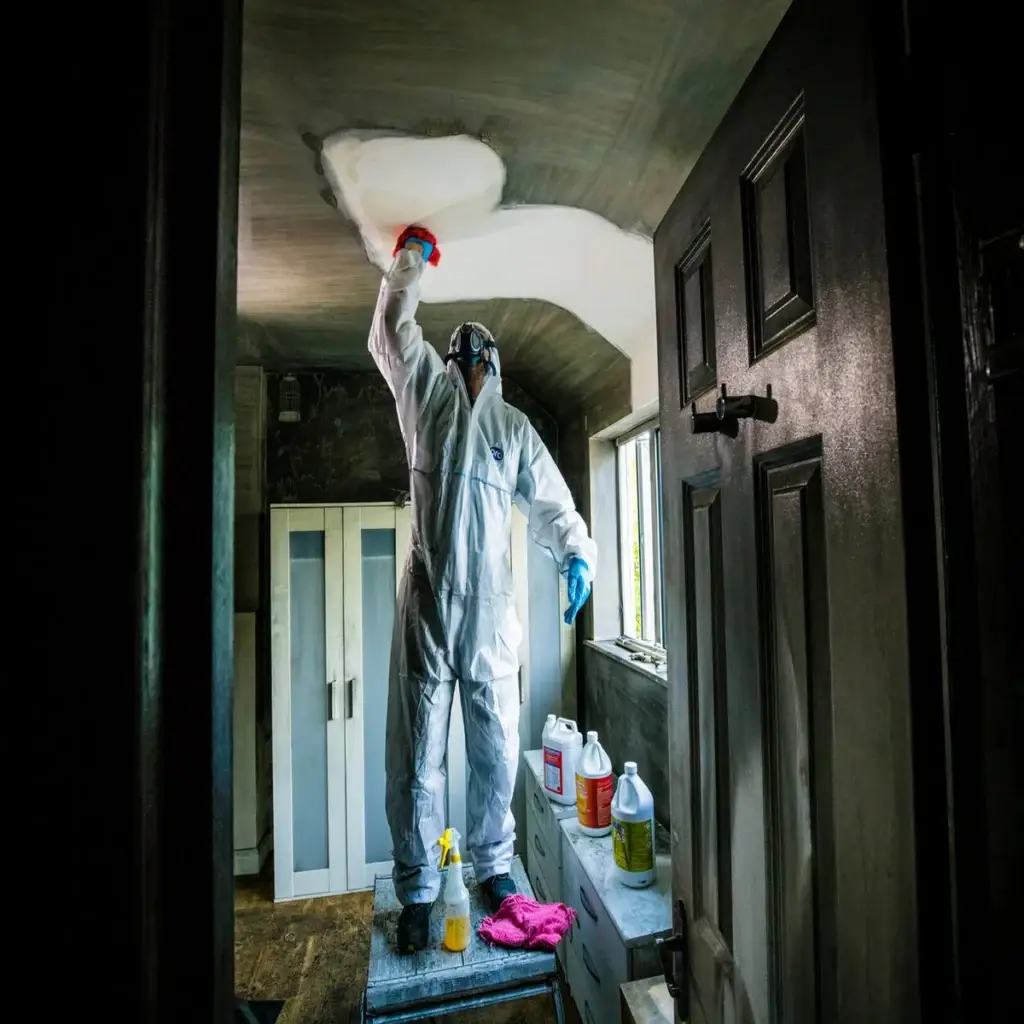
For suitable non-porous surfaces, the team used an alkaline cleaning solution in the pH 10 - 12 range. This stage was intended to neutralise acidic soot residues, with contact time built into the process so the solution could act on the contamination before cleaning continued.
The method specifically distinguished non-porous surfaces from materials that could absorb the cleaning solution. That helped keep the response controlled rather than applying the same wet-cleaning process indiscriminately across every affected substrate.
The first team arrived at 7am on 16 September, less than a day after the initial enquiry. Working with the school to establish priorities on site, the team focused first on the areas requiring the most immediate attention before continuing the cleaning programme across the affected ground-floor spaces.
A second attendance followed on 17 September 2025, allowing the team to continue the specialist soot removal and surface cleaning across the priority areas. The response combined HEPA-filtered recovery of loose soot with multi-stage cleaning of suitable surfaces, including alkaline treatment of non-porous materials.
By the end of the two-day response, Ideal Response had completed the emergency cleaning across the priority ground-floor areas. Importantly, the speed of the response did not mean compromising the cleaning sequence: loose contamination was removed before wet cleaning began, treatments were matched to the type of surface being cleaned, and the programme remained focused on the areas identified as priorities by the school.