Available 24/7 | 0800 088 4170

The brief was concise: remove graffiti from the side of one of London’s best-known historic buildings. The instruction was received on the morning of 21 December, with the work scheduled for the same day.
Speed mattered, but so did method. On a heritage building, graffiti removal cannot be approached as a simple high-pressure wash. The cleaning process needs to act on the unwanted coating while keeping the treatment of the underlying surface controlled.
The first stage used a specialist paint-softening treatment. Applied directly to the graffiti, the product was designed to break down oil- and water-based paints and other coatings so that they could be removed more effectively.
Allowing the coating to soften before the main clean reduces the need to rely on aggressive mechanical force alone. Stubborn or multi-layered areas can also be treated again where necessary, giving the technicians a more controlled way to work progressively across the affected surface.
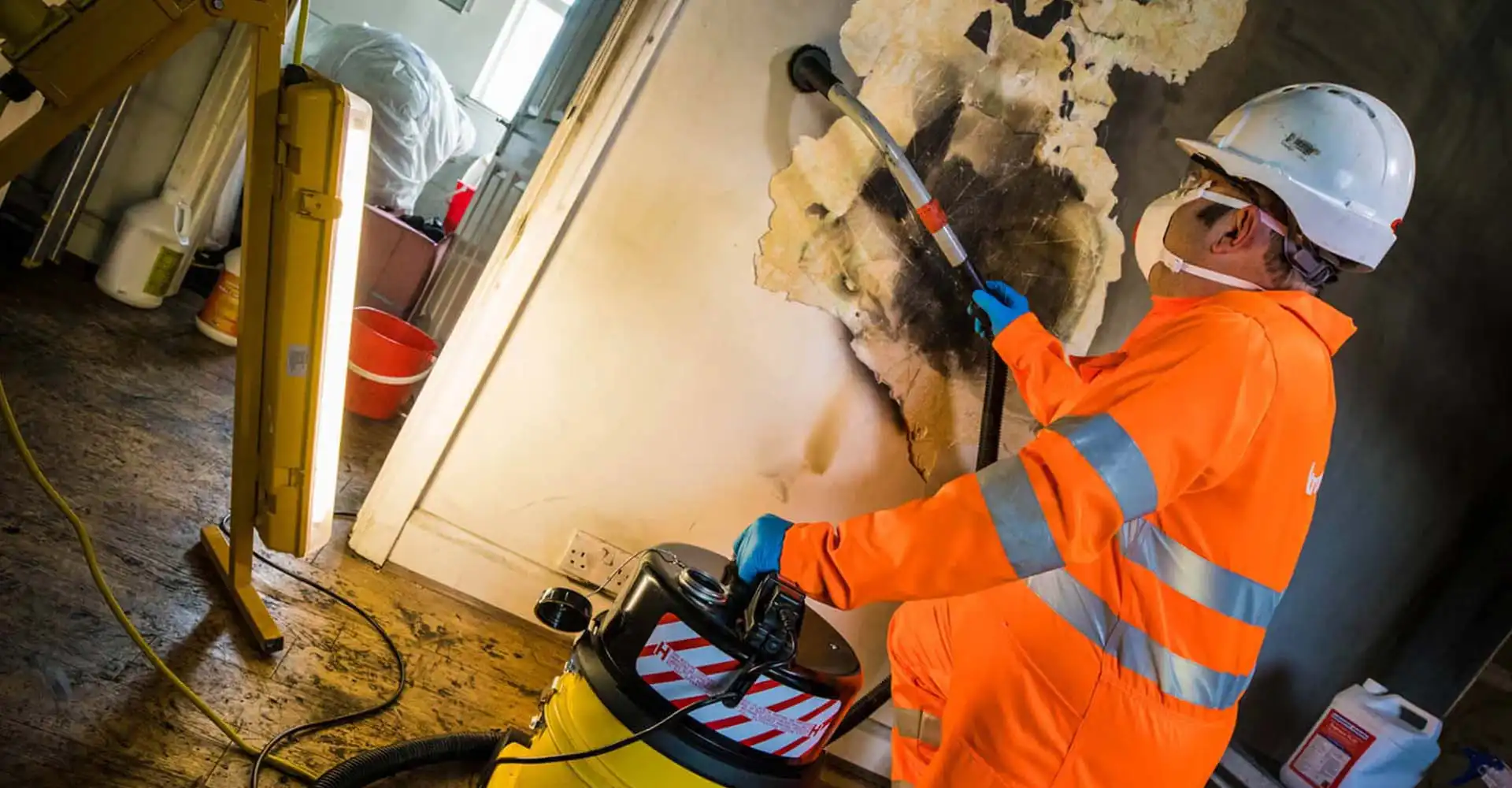
Once the paint had been softened, the team used specialist high-temperature steam-cleaning equipment to lift the remaining graffiti from the surface. The system can deliver steam at up to approximately 150°C at the nozzle while keeping the pressure applied to the substrate comparatively gentle.
The process also uses a low volume of water. That combination of heat, controlled pressure and limited saturation makes the method particularly useful where a more aggressive wash could be inappropriate.
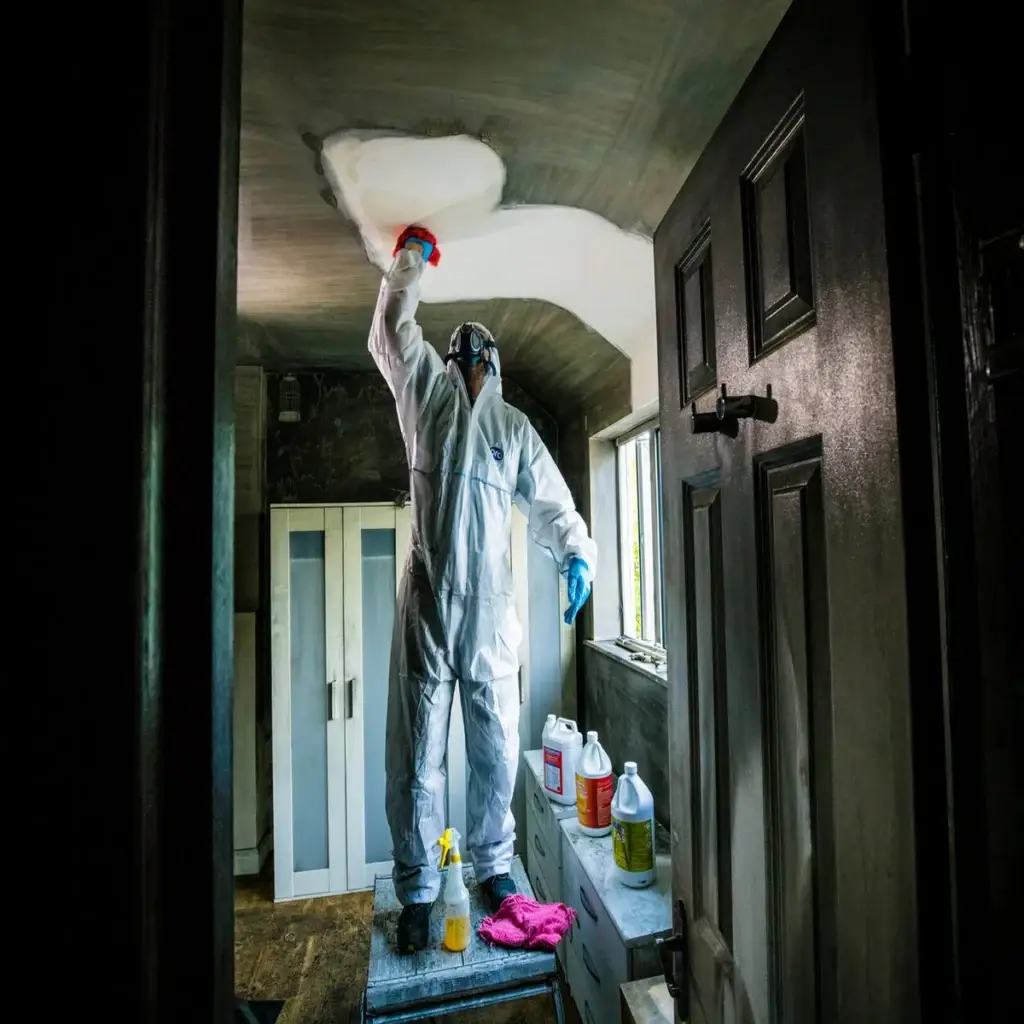
The one-day attendance was supported by risk assessments, safe systems of work and site safety procedures. The two-person team used the respiratory, eye, hand and body protection specified for the task, allowing the cleaning process to be carried out within a controlled working method.
On sensitive masonry, the quality of graffiti removal depends on more than the cleaning equipment itself. Softening the coating first reduces reliance on mechanical force, allowing the steam-cleaning stage to work progressively with controlled pressure and limited water. That staged approach is particularly valuable where protecting the underlying surface matters as much as removing the unwanted paint.