Available 24/7 | 0800 088 4170

Contamination was present around a buried, decommissioned kerosene tank, the neighbouring buried gas tank and historic fuel-feed lines running towards the house. Kerosene had also affected water in the basement, while oil-impacted surface and ground water accumulated within the excavation areas.
That changed the remediation strategy. Removing the most visibly contaminated soil around the tank installation would not, by itself, address water already carrying hydrocarbons or identify where contamination had followed old service routes. Trial pits and progressive investigation were therefore used to follow the footprint beyond the obvious source areas.
The remediation followed the contamination pathway rather than focusing only on the original release point. A dedicated oil-and-water treatment train managed contaminated water, separate pumping protected cleaner water flows, and RegenOx was used where selected areas required in-situ chemical oxidation.
Ideal Response installed a dedicated oil-and-water treatment train so contaminated water could be managed as the groundworks progressed. Pumps in the basement and excavation zones directed 'dirty' water into an oil/water separator. From there, a 2-inch discharge pump transferred the separated water through an Aquasorb granular activated carbon unit before it was discharged away from the active remediation area.
A separate submersible pump handled clean water from the gulley at the top of the basement steps, diverting it away from the works rather than adding unnecessary volume to the treatment system. The outlet arrangement incorporated a non-return valve, high-level float and control unit, while treated-water samples were scheduled for TPH analysis as part of the environmental validation process.
The tank area presented a second layer of complexity. The buried gas tank had to be emptied, purged and decommissioned by the gas provider before excavation could progress around it. Historic oil lines, the gas service and suspected water services all crossed the working area, so the ground was CAT-scanned and critical services were exposed by hand before the excavator moved in.
Excavation around the gas and kerosene tank areas was designed to reach up to two metres deep. The method statement calculated approximately 57.12m³ of tank-area material for removal across the planned excavation zones. A banksman monitored the excavator bucket, spoil was moved by 1-tonne dumpers and transfer areas were protected with DPM sheeting before waste left site through controlled routes.
At the 5,000-litre buried kerosene tank, oil was skimmed from surface water for disposal, the remaining water was pumped through the treatment system and the concrete slab over the installation was broken out so the surrounding impacted ground could be reached.
As the project developed, the investigation continued through trial pits and along historic oil lines and a water pipe. This mattered because the site was not behaving like a neat circular spill around one tank. The work had to respond to the pathways the kerosene had actually taken.
Where selected areas required further treatment, RegenOx was applied as an in-situ chemical oxidation stage. The project also records basement air extraction during the programme. Together with continued excavation and water treatment, these measures allowed different parts of the contamination problem to be addressed according to the pathway and material involved.
The later project stages moved progressively into reinstatement. Drainage and landscaped areas were restored, work continued around flowerbeds and trial pits, and a new fuel line was prepared and connected. This staged approach meant areas could move from investigation and treatment into restoration as the remediation programme advanced.
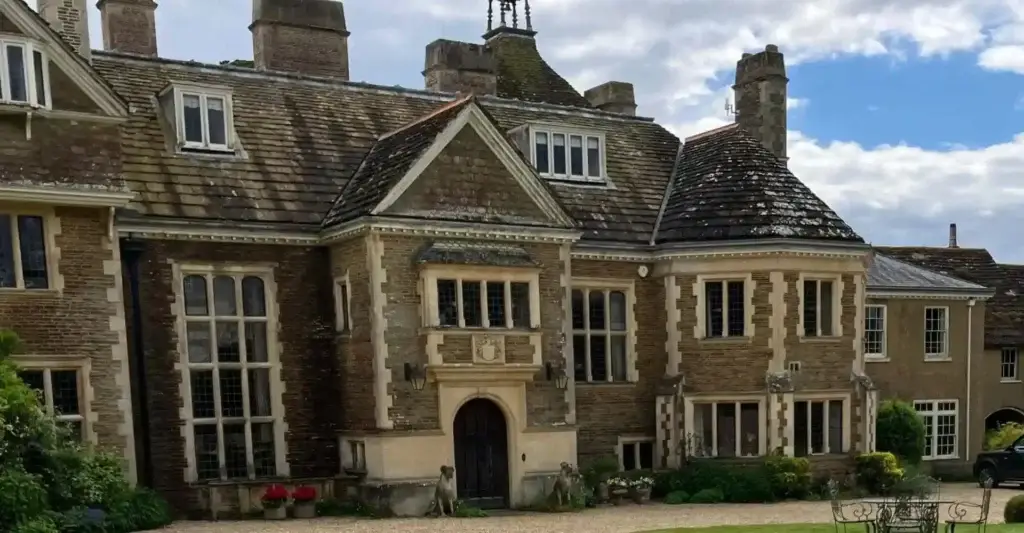
For a Grade II listed home that remained occupied during the works, that progression mattered. The objective was not simply to excavate contaminated material, but to manage a technically complex environmental loss while protecting the estate, its services and the people still using it.