Available 24/7 | 0800 088 4170

This could not be approached as a straightforward bulk clearance. All areas of the ground-floor flat were affected, but the family had given clear instructions about what must be protected. Letters, financial documents, passports, cards and other sensitive paperwork were to be bagged and retained, while valuables and suitable new purchases, boxed or unboxed, were to be set aside rather than discarded.
Those retained items were to be passed to the family's nominated contact for collection. Items suitable for donation also needed to be separated from general waste. That meant technicians had to make careful decisions as they progressed through each room rather than simply removing contents by volume.
The work plan also recognised the possibility of human waste and vermin within the property. A closed needle bin was present, but the customer had confirmed there were no known loose needles and would remove the bin themselves. If technicians discovered loose needles, work would stop and a dedicated needle sweep would be required before the clearance could continue.
The retention instructions made careful sorting one of the most important parts of the job. Sensitive documents, cards, financial paperwork, passports and valuables could easily have disappeared within a bulk waste clearance, so they were identified and separated as technicians worked through the flat.
The same principle applied to possessions that could still have value to the family or be donated. Suitable new purchases were kept aside, while requested personal belongings were assessed and cleaned individually where recovery was possible. One item captures that level of care particularly well: a complete chess set. The board and individual pieces were cleaned by hand rather than discarded with the surrounding contents.
It was painstaking work, but it illustrates why sensitive bereavement clearance cannot be measured only by the volume of waste removed. Sometimes an important part of the outcome is what the team manages to identify, preserve and return.
A trauma clean combined with heavy clutter and whole-property waste removal creates competing priorities. The team needs to reduce contamination and remove waste efficiently, but moving accumulated contents can reveal hazards and can also expose documents or possessions that must not be thrown away.
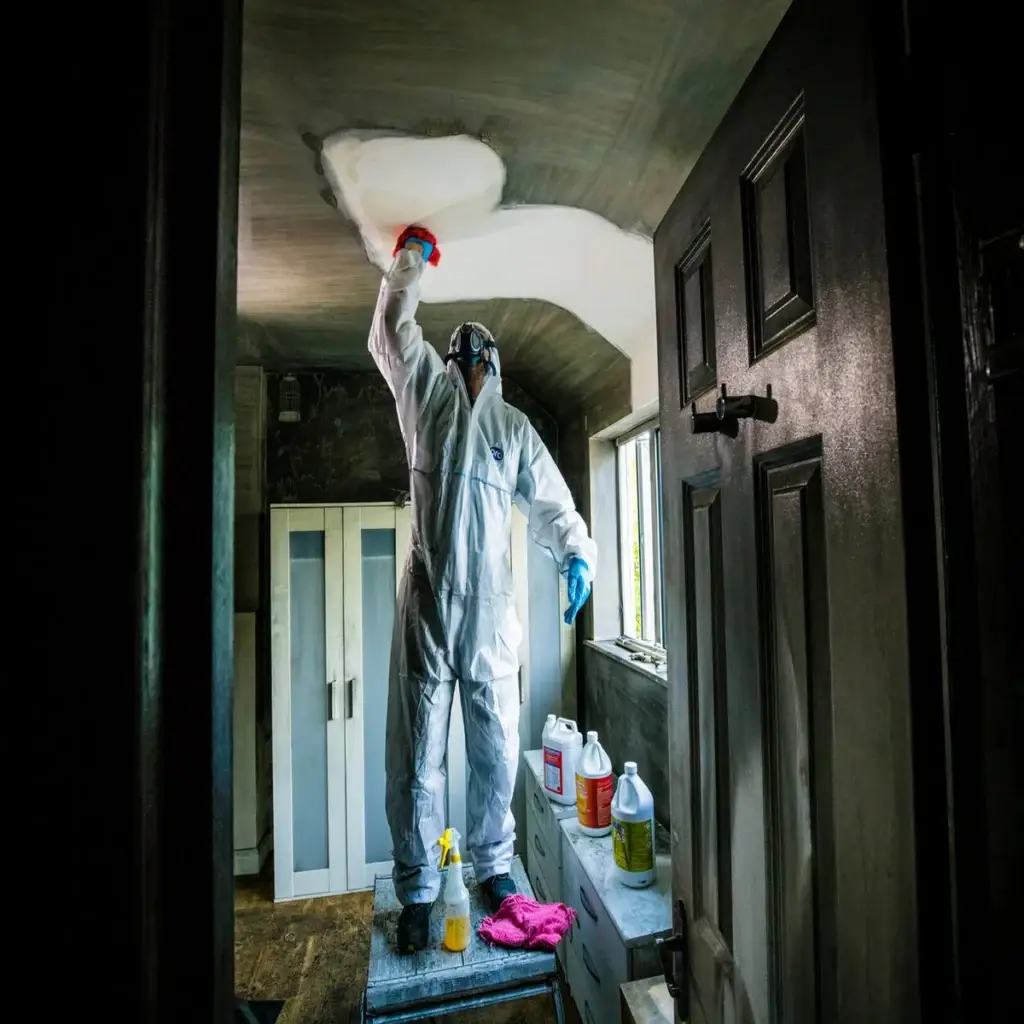
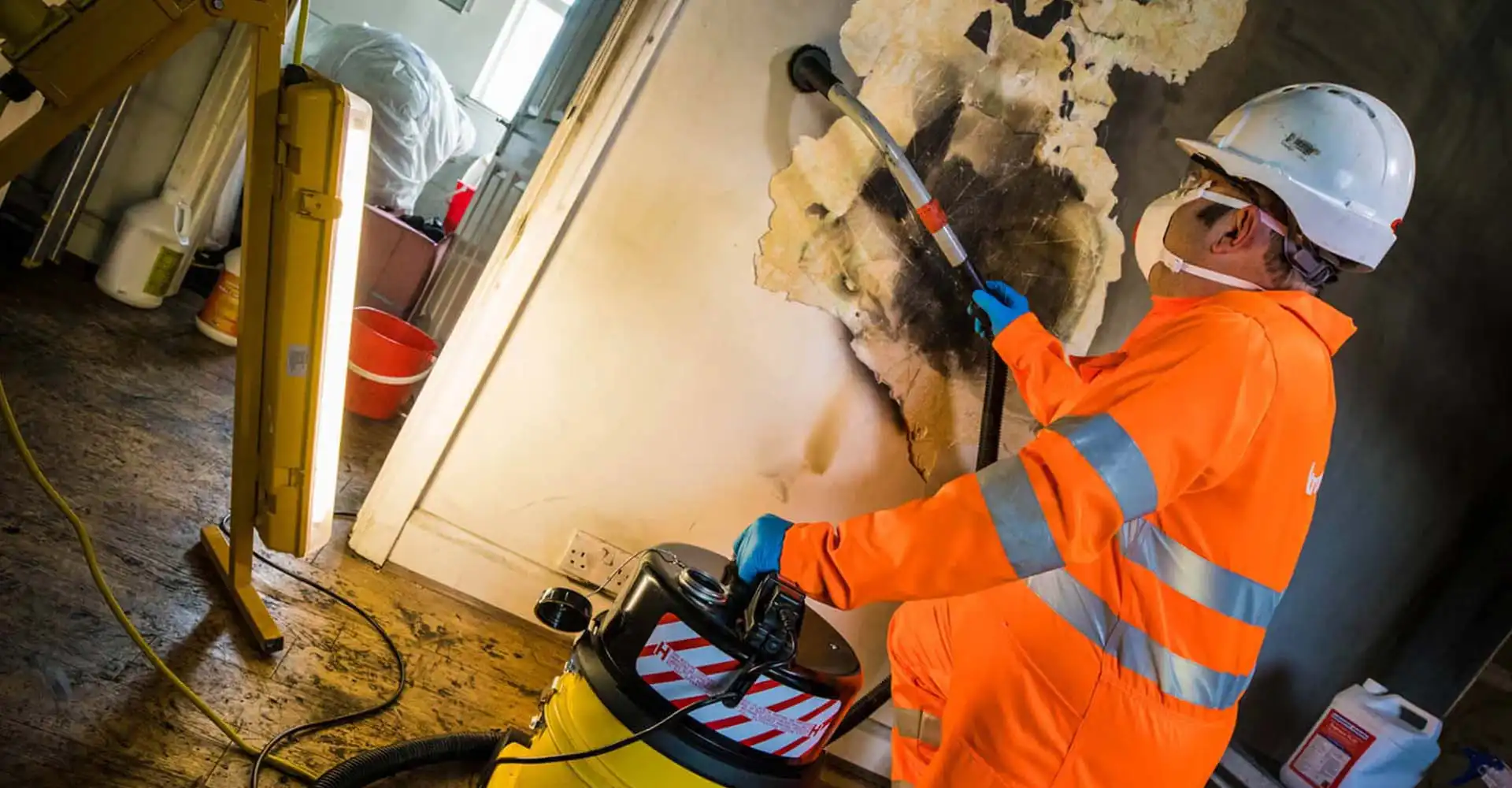
The clearance therefore progressed methodically. PPE and controlled waste handling supported the technicians as contents were sorted, while the agreed stop-work procedure provided a clear response if loose sharps were discovered. As each area was opened up, specialist cleaning and decontamination could follow in a controlled sequence.
That sequence allowed the team to complete the physical clearance without losing sight of the family's instructions. An especially important consideration when the people responsible for the property could not safely undertake the work themselves.
Over the six-day programme, six van loads of waste were removed from the two-bedroom ground-floor flat. The clearance covered all affected rooms and included disposal of larger unwanted items, including a washing machine and fridge. As the accumulated contents were removed, the team progressed into detailed cleaning and specialist trauma decontamination throughout the property.
Crucially for the family, documents, valuables and other retained belongings were separated from the waste stream rather than being lost during the clearance. Recoverable personal possessions were cleaned where appropriate and set aside for the family's nominated contact.
For a family dealing with bereavement, that is a very different service from simply emptying a flat. The technical cleaning and waste removal mattered, but so did the judgement required to distinguish contaminated waste from paperwork, valuables and possessions that still had personal or practical value.