A deeply personal situation needed a practical response
Project insight
This project demonstrates why successful hoarder cleaning should not be measured simply by how quickly material can be removed.
There was an immediate practical need to restore access, but there were also personal belongings to protect, family circumstances to respect and limits to what could realistically be achieved within the available programme. A staged approach allowed meaningful progress to be made without turning a sensitive clearance into an indiscriminate house clear-out.
The scope changed as the scale became clearer
The hoarder cleaning process we used
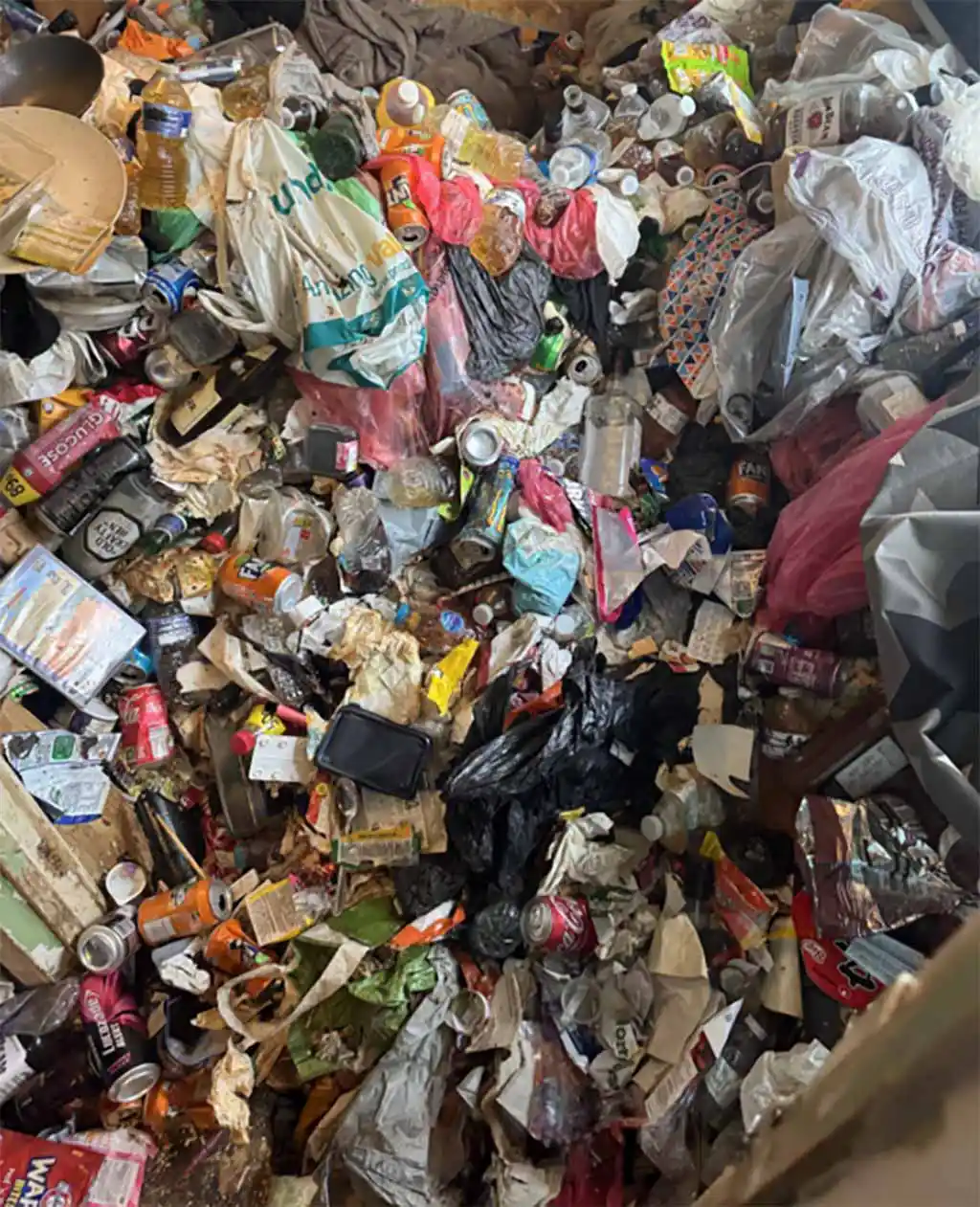
Hoarding can affect far more than the appearance of a room. In this home, the accumulation within two upstairs bedrooms had reached the point where access had become difficult and other members of the household had changed how they used the property.
The family wanted the situation addressed quickly because an electrical safety inspection was approaching and the affected rooms needed to become accessible.
However, speed could not come at the expense of care. Personal possessions had to be distinguished from waste, and the clearance needed to progress in a way that respected the circumstances behind the accumulation.
Hoarding can affect far more than the appearance of a room. In this home, the accumulation within two upstairs bedrooms had reached the point where access had become difficult and other members of the household had changed how they used the property.
The family wanted the situation addressed quickly because an electrical safety inspection was approaching and the affected rooms needed to become accessible.
However, speed could not come at the expense of care. Personal possessions had to be distinguished from waste, and the clearance needed to progress in a way that respected the circumstances behind the accumulation.
Step 1Establish a controlled working areaThe team began by working methodically through the affected bedrooms, creating the access needed to progress the clearance without simply moving accumulated material from one part of the property to another.
Step 2Separate waste from personal possessionsMaterial identified for disposal was bagged for removal, while personal belongings were treated differently. Items that were to be retained were bagged and set aside rather than automatically discarded.
Step 3Remove waste from the propertyBagged waste was removed from the affected rooms and taken off site for appropriate disposal. The agreed scope allowed for up to one van load as part of the staged clearance.
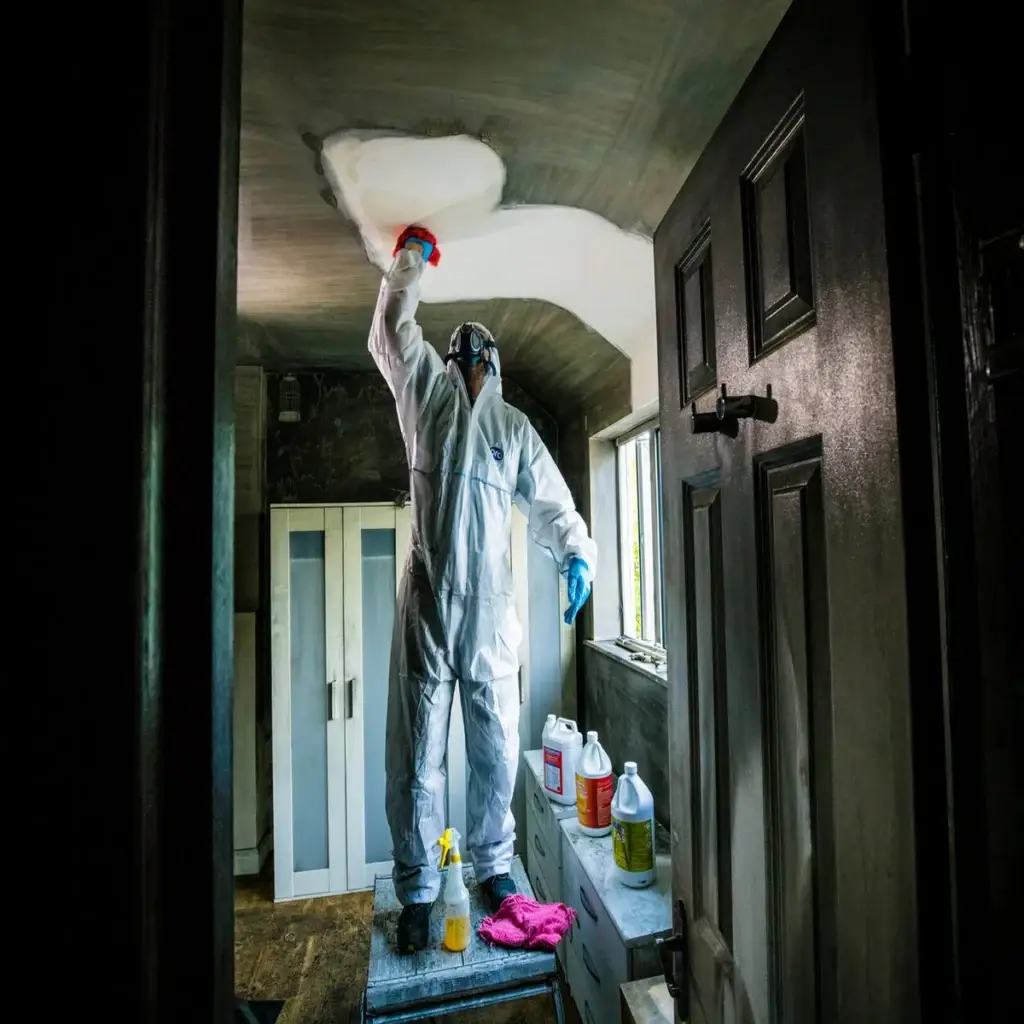
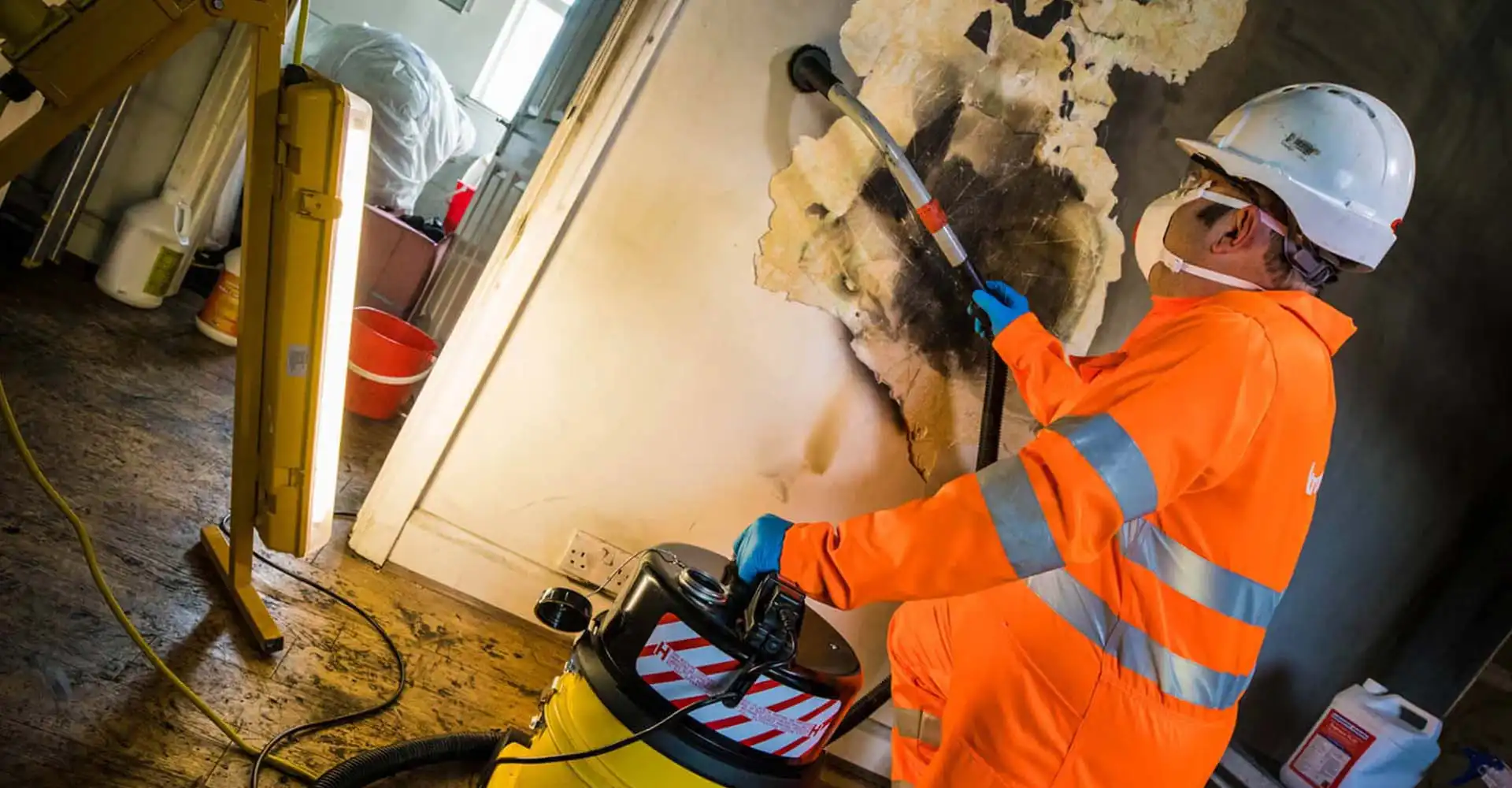
Step 4Deep clean the accessible areasOnce accumulated material had been removed and surfaces became accessible, the team could begin the deep-cleaning stage. Directional cleaning procedures were used to maintain separation between areas as work progressed.
Step 5Sanitise the treated spacesAccessible areas were sanitised following the physical clean. The specified final disinfection stage used saturation spraying or ULV fogging, with the appropriate product dwell times observed.
One of the hoarded rooms before and after Ideal Response technicians conducted a hoarder clean.
The sequence of work was particularly important on this project. Effective cleaning could not begin while surfaces remained hidden beneath accumulated material, but clearance also needed to distinguish carefully between waste and possessions the family wanted to retain.
The team therefore progressed from controlled clearance and segregation into waste removal, deep cleaning and sanitisation. This allowed hygiene treatment to follow behind the clearance as previously inaccessible parts of the bedrooms were exposed.
Two days of progress without overstating the result
The team worked at the property across two days. Waste was removed, personal possessions were retained and set aside, and newly accessible areas could then be deep cleaned and sanitised.
Further clearance was recommended because of the remaining volume of material. That is an important part of this case study: the outcome should not be presented as a completely cleared property when the project information does not support that claim.
Instead, the work delivered a substantial first stage, improving access to the affected upstairs areas and helping the family move forward with a situation that had been affecting the household for a considerable period.
Progress has to be realistic as well as compassionate
Steve Kiddell
Biohazard Cleaning Specialist
“With hoarder cleaning, the first priority is often to create usable access while keeping control of what is being removed. Waste and personal possessions need to be treated differently, and cleaning can only properly begin as surfaces become accessible. On larger accumulations, working in defined stages can be much more appropriate than promising everything will be cleared in a single visit.”