Available 24/7 | 0800 088 4170

Available 24/7 | 0800 088 4170
Damp surveys are essential for UK landlords to protect both their rental properties and tenants. These professional assessments help identify the presence, cause, and extent of damp, thereby preventing significant structural damage, costly repairs, and serious health risks for occupants. Crucially, they ensure legal compliance with regulations such as the Landlord and Tenant Act 1985, The Homes (Fitness for Human Habitation) Act 2018, and new mandates like Awaab’s Law .
A professional damp survey provides expert recommendations for effective remediation and long-term prevention, making it a cost-effective investment that offers peace of mind and strong legal protection.
Skip to:
UK landlords and damp
Why damp surveys are essential for UK landlords
Common causes of damp in UK homes
What is a damp survey?
The importance of regular damp surveys for rental properties
Top tips for preventing damp and mould
Conclusion
Managing rental properties in the UK comes with a host of responsibilities, but one of the most crucial, and often overlooked, is staying on top of damp issues. Left unchecked, damp can cause serious structural damage, create health risks for tenants, and ultimately leave landlords facing costly repairs and legal action.
In a market where tenant rights are under increasing protection and property standards are scrutinised more than ever, commissioning regular damp surveys isn’t just a precaution, it’s a necessity.
Here’s everything landlords need to know about damp surveys in the UK rental market, from common causes of damp to the potential risks of ignoring it.
The UK’s unique climate makes damp a prevalent issue across the housing stock. Alarmingly, private rental properties are statistically more likely to be affected compared to owner-occupied homes.
This isn’t just an aesthetic issue. Damp and mould can:
Following the tragic death of two-year-old Awaab Ishak in 2020, which was linked directly to exposure to mould in his home, the UK government introduced Awaab’s Law, which will require landlords to respond to and address reports of damp and mould within strict legal timeframes. This marks a major shift in accountability and makes it even more vital for landlords to proactively manage damp issues before they escalate. Click the link for further information on Awaab’s Law and private landlords.
For landlords, ensuring their properties are free of damp is not just about protecting the building, it’s about fulfilling their legal obligations under the Landlord and Tenant Act 1985 and The Homes (Fitness for Human Habitation) Act 2018.

Understanding what causes damp can help landlords stay one step ahead. As outlined in ‘What are the 7 most common causes of damp in UK homes?’, the most common causes are:
A damp survey is a detailed inspection carried out by a trained professional to assess the presence, causes, and extent of damp within a property. It goes beyond a simple visual check and often involves a visual inspection, readings taken by specialist equipment and a report summarising the findings and recommendations.
Rental properties are particularly vulnerable to damp issues for several reasons:
A damp survey can catch problems early before they develop into major repairs or legal disputes.
Ideally, landlords should arrange a professional damp survey:
Before letting a property: To ensure it is fit for occupation.
Between tenancies: To spot issues that tenants may not have reported.
Every 5 years (maximum): As part of a broader property maintenance schedule.
Alongside commissioning damp surveys, landlords should take proactive steps to reduce damp risks:
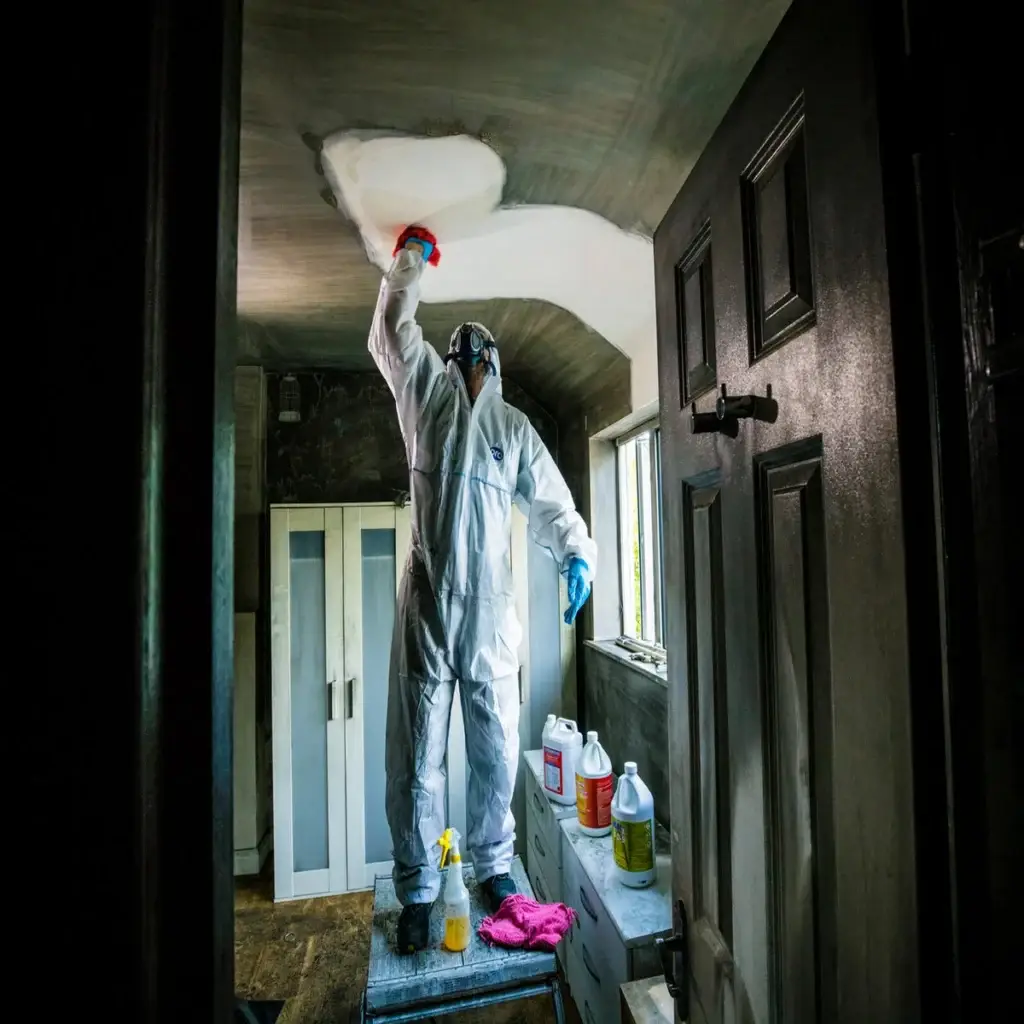
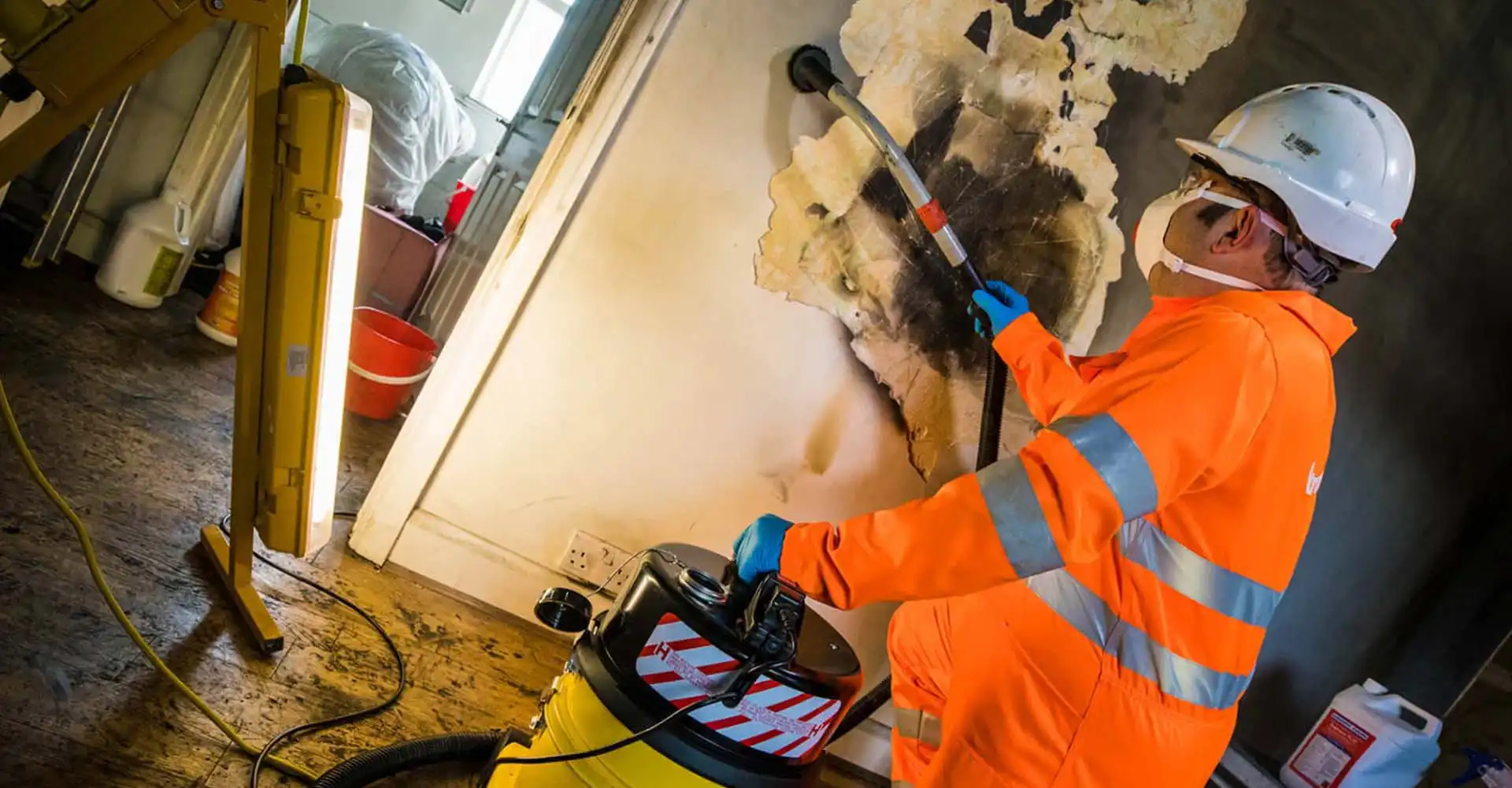
Providing tenants with clear guidance on how to manage moisture in the home can also make a significant difference. If your UK property does have a mould infestation the best course of action is to seek expert help in the form of a
mould removal service provider like Ideal Response. We have been helping UK property owners for 20+ years with damp surveys and mould removal. We ensure that all traces of mould are removed and the mould itself is killed at the root in order to prevent re-growth.
In the UK rental market, where tenant expectations and legal standards are higher than ever, especially after the update to Awaab’s Law, ignoring damp is simply not an option.
A professional damp survey provides peace of mind for landlords, protects tenant health, and ensures compliance with the law. It can also save significant money in the long term by identifying problems early before they spiral into major repairs.
Landlords who take damp seriously will not only protect their investments but also enhance their reputation, attract long-term tenants, and stay on the right side of the law.
If you’re a landlord, don’t wait until it’s too late, book a professional damp survey and safeguard your property’s future, call us on 0800 088 4170 to speak to an expert now.

Chris Hedges is Head of Marketing at Ideal Response and the author of every article published on this site. With over 25 years of senior marketing experience across property, legal, and professional services sectors, Chris brings a clear, evidence-led approach to writing about fire damage, flood restoration, and specialist property remediation. His philosophy is simple: cut through the noise, respect the reader's time, and give people the information they actually need.
Explore more articles about damage restoration, specialist cleaning and what we do



If you’re dealing with fire damage, flooding, or an environmental incident, our team is ready to respond. No matter if you have a question or have an emergency that you need help with, call:
If you’d prefer to drop us a message, use our main contact form and upload any pictures of the incident. Would you like us to call you? Fill out the short ‘Request a call back’ form.