Available 24/7 | 0800 088 4170

Available 24/7 | 0800 088 4170
Fires can devastate UK businesses in minutes. Even a small incident can lead to weeks of disruption, smoke contamination, electrical faults, downtime, and costly repairs.
Most organisations have fire prevention measures in place (alarms, extinguishers, evacuation routes), but few have a structured fire damage restoration plan that meets UK compliance and business continuity standards.
That gap can mean the difference between rapid recovery and regulatory headaches under the Health and Safety at Work Act or insurance claim delays.
Skip to:
What is a fire damage restoration plan?
The hidden impact of fire on UK businesses
What a fire damage restoration plan should include
Why acting now saves time, money and compliance risk
Partner with UK restoration experts you can trust
FAQs
A fire damage restoration plan is a structured document that outlines how a business will respond and recover after a fire incident. It includes predefined actions, roles, and contacts, from activating emergency response and ensuring site safety to carrying out cleaning, decontamination, and full property restoration.
For UK organisations, having a documented plan demonstrates compliance with HSE fire safety obligations and supports ISO 22301 Business Continuity Management. It also helps you meet insurance requirements and minimise downtime by ensuring critical restoration partners (like Ideal Response) can act immediately.
Fundamentally, it’s your roadmap from fire incident to a compliant, coordinated, and cost-efficient operational recovery.
When a fire occurs, flames are only part of the problem. The secondary effects, smoke, soot, odour, and water from firefighting, can extend throughout a building.
Every hour your premises are closed costs money. Equipment sits idle, staff can’t operate, and clients lose confidence.
A pre-approved restoration plan ensures your response aligns with ISO 22301: Business Continuity Management, helping you restore operations safely and efficiently.
If your site has also faced leaks or flooding, integrating your water damage restoration plan into your fire strategy supports complete business resilience.
Soot particles, corrosive residues, and damaged building materials can create serious health and safety hazards. Under HSE Control of Substances Hazardous to Health (COSHH) regulations, you’re responsible for ensuring the environment is safe before reoccupation.
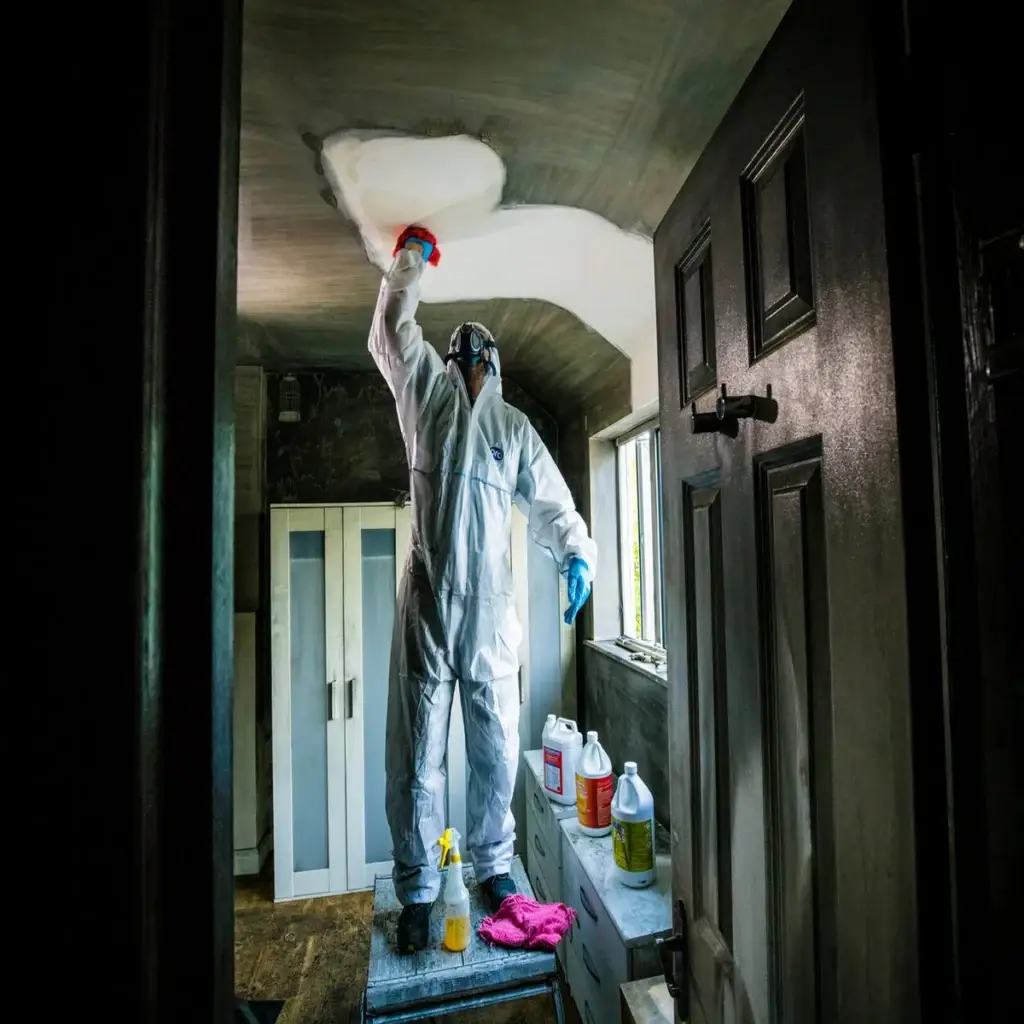
Specialist services like smoke damage cleaning and odour removal ensure full decontamination and compliance with air quality standards.
UK insurers often demand detailed evidence of fire and smoke damage restoration before settling claims. A documented plan ensures you capture the right data, site logs, photos, and moisture readings, to satisfy your loss adjuster and avoid costly delays.
A robust plan goes beyond ‘call a contractor’. It defines clear roles, documentation, and partners to recover safely, efficiently, and compliantly.
List emergency contacts (fire brigade, insurance provider, restoration contractor) and assign internal roles, who reports, who authorises, and who liaises with external teams.
Include details of a 24/7 emergency response service to guarantee immediate support nationwide.
Partner with a certified fire damage restoration company before an incident occurs. They’ll be familiar with your building, materials, and business continuity priorities.
Ideal Response conducts pre-site assessments and can align its procedures with ISO 22301 and ISO 45001 frameworks for continuity and safety.
Your plan should specify how to record damage for insurance and compliance, including photographic evidence, air quality readings, and inventory logging.
Using a provider familiar with BS EN ISO 9001 quality management ensures traceability and audit readiness.
Outline each recovery phase clearly:
Define who informs employees, clients, and regulators. Transparent communication supports your ISO 22301 business continuity goals and reassures stakeholders.

Businesses that only search for restoration help after a fire often struggle to find capacity, especially during seasonal surges or regional incidents.
Having a fire restoration plan in place ensures:
The following case study is a great example of how a Kent business was able to get back from a major fire incident quicker than expected due to careful planning. Read about Viridor’s Polymer Recycling Plant in Rochester and recovery from fire.
Ideal Response has decades of experience helping UK businesses recover from fire and smoke damage, from industrial estates to heritage properties.
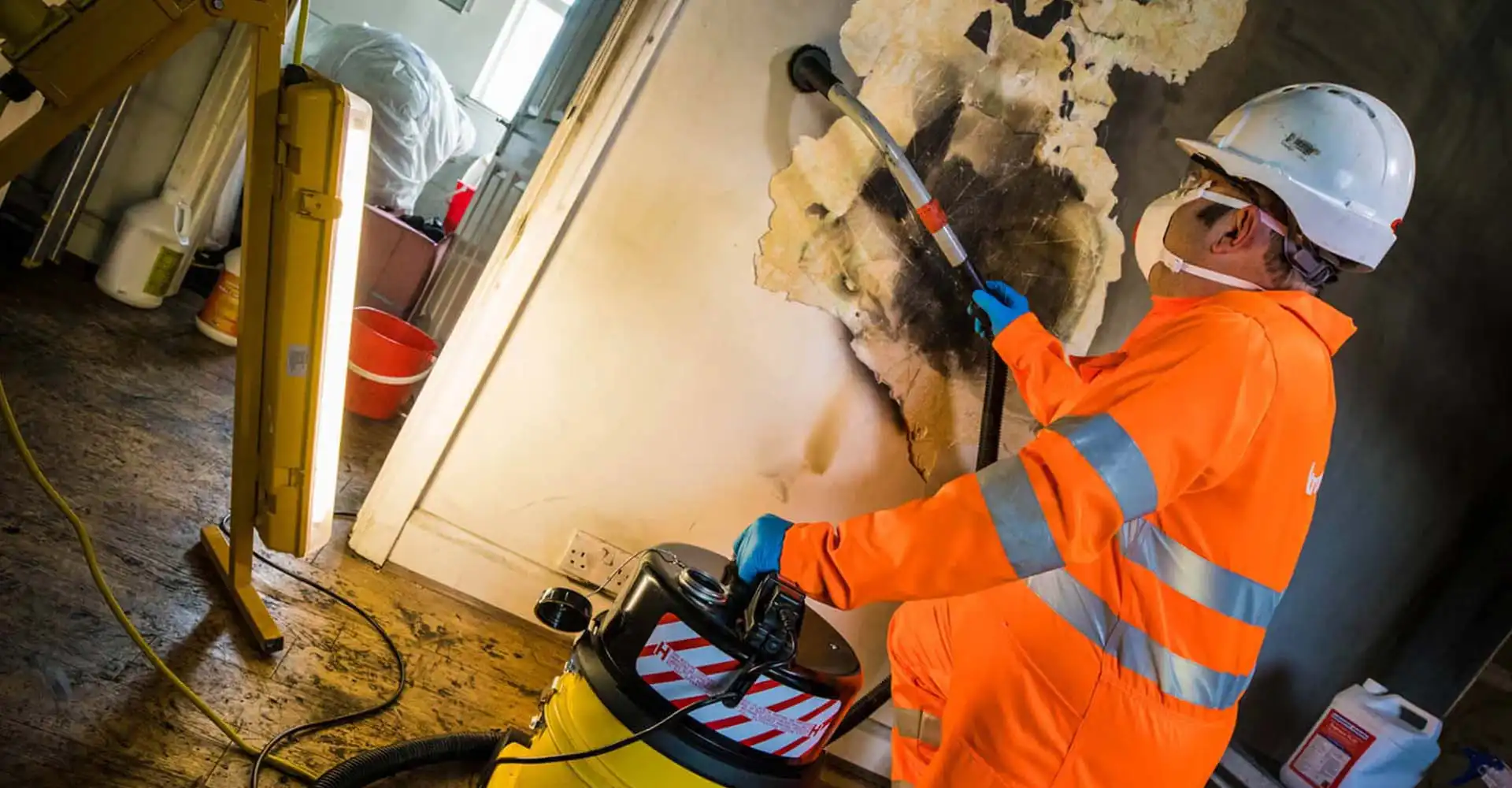
Our accredited teams manage every stage, from emergency response and soot removal to full environmental decontamination and insurance liaison, in line with ISO and HSE standards.
Plan ahead today by contacting Ideal Response for a fire damage restoration pre-assessment. This will ensure your business is ISO-ready and fully resilient before disaster strikes.
Need immediate support? Call our specialist team 08083 031 170

Chris Hedges is Head of Marketing at Ideal Response and the author of every article published on this site. With over 25 years of senior marketing experience across property, legal, and professional services sectors, Chris brings a clear, evidence-led approach to writing about fire damage, flood restoration, and specialist property remediation. His philosophy is simple: cut through the noise, respect the reader's time, and give people the information they actually need.
Explore more articles about damage restoration, specialist cleaning and what we do


If you’re dealing with fire damage, flooding, or an environmental incident, our team is ready to respond. No matter if you have a question or have an emergency that you need help with, call:
If you’d prefer to drop us a message, use our main contact form and upload any pictures of the incident. Would you like us to call you? Fill out the short ‘Request a call back’ form.